Itsukushima Shrine
Itsukushima Shrine on Miyajima Island, Hiroshima — Japan’s “floating” Shinto shrine and UNESCO World Heritage Site, where architecture meets the sea. Learn its myths, history, festivals, and get travel tips in this in-depth guide.
Itsukushima Shrine – Where the Gods Meet the Sea
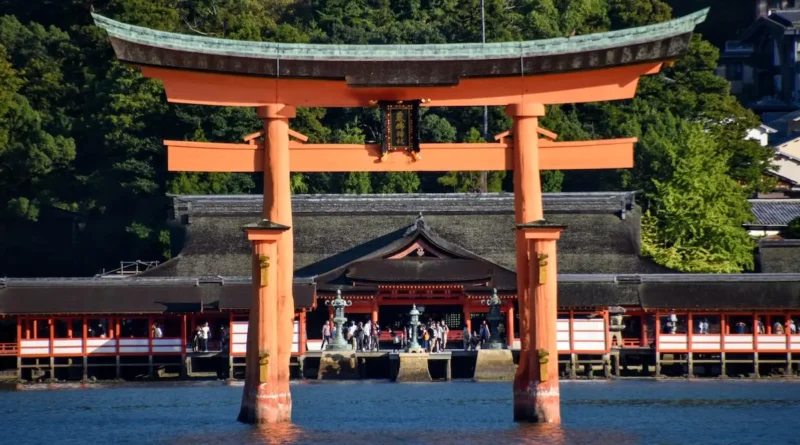
Rising from the tranquil waters of Japan’s Seto Inland Sea, Itsukushima Shrine (厳島神社, Itsukushima-jinja) on Miyajima Island is a place where faith, art, and nature converge. Its vermilion torii gate appears to float at high tide, embodying a vision of sacred harmony that has captivated pilgrims, poets, and travelers for over a millennium.
Designated a UNESCO World Heritage Site in 1996, Itsukushima is not just a shrine — it’s a dialogue between land and sea, heaven and earth, humans and gods.
At high tide, the vermilion corridors of Itsukushima Shrine shimmer above the water, their pillars mirrored in the Seto Inland Sea. This is the spiritual heart of Miyajima, an island long revered as sacred ground. The shrine’s builders, guided by ancient beliefs, raised their halls not upon earth but over the sea, honoring an island too holy to be defiled by construction. Even today, locals call it kami no shima, “the island of the gods.”
A Shrine Born of Myth and Reverence
Long before the shrine was built, Miyajima was revered as kami no shima — “the island of the gods.” The earliest chronicles date the founding of Itsukushima Shrine to 593 CE, during the reign of Empress Suiko, when a local nobleman established a sanctuary on the shoreline to honor the Three Munakata Goddesses: Ichikishimahime, Tagorihime, and Tagitsuhime – born from a divine exchange between the sun goddess Amaterasu and her storm-bringing brother Susanoo.
Because the island itself was sacred, the shrine was constructed offshore, over water, so as not to disturb the divine ground.
These deities protect the seas, fertility, and safe passage, and have been worshipped here for more than 1,400 years. Because the island itself was deemed divine, the shrine was built offshore to avoid “violating” the sacred land. Approaching the island by boat through the great torii gate became a symbolic act of purification — a journey into the realm of the gods.
The Heian Era and Taira no Kiyomori
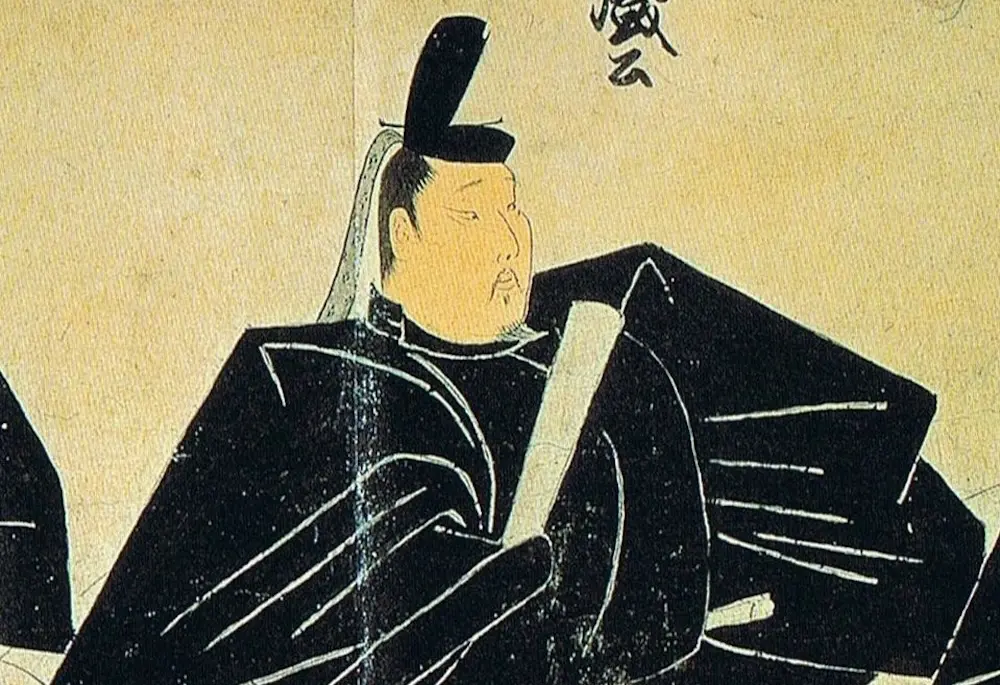
In the 12th century, the shrine entered its golden age under Taira no Kiyomori, one of Japan’s most powerful military leaders and head of the ill fated Heike clan. In 1168, he rebuilt Itsukushima Shrine in the Shinden-zukuri style — the architectural expression of Heian courtly elegance – adapted here to a marine environment.
Kiyomori’s Itsukushima was both a spiritual offering and a political statement. The shrine became a site of imperial pilgrimage, visited by Emperors Go-Shirakawa and Takakura. Through his devotion, Kiyomori transformed the island into a stage where divinity and power intertwined — the reflection of an empire upon water.
At the end of March every year, the people of Miyajima commemorate and give thanks to Kiyomori at the Kiyomori Festival, during which a parade in period dress goes through the streets and the corridors of Itsukushima Shrine.
Architecture in Harmony with the Elements
Itsukushima Shrine is a symphony of wood, tide, and time. More than 260 meters of corridors connect its many buildings. The floors are laid with subtle gaps to let seawater flow through during high tide, an ingenious adaptation that has preserved the shrine for centuries. The floorboards are double-layered, with protective boards laid on top of the original floorboards, which is why it is allowed to walk through the shrine with your shoes on.
The honden or main shrine is where the gods reside, and is closed to the public. There are six treasure halls in the inner sanctuary are dedicated to the Three Munakata Goddesses, along with other co-deities.
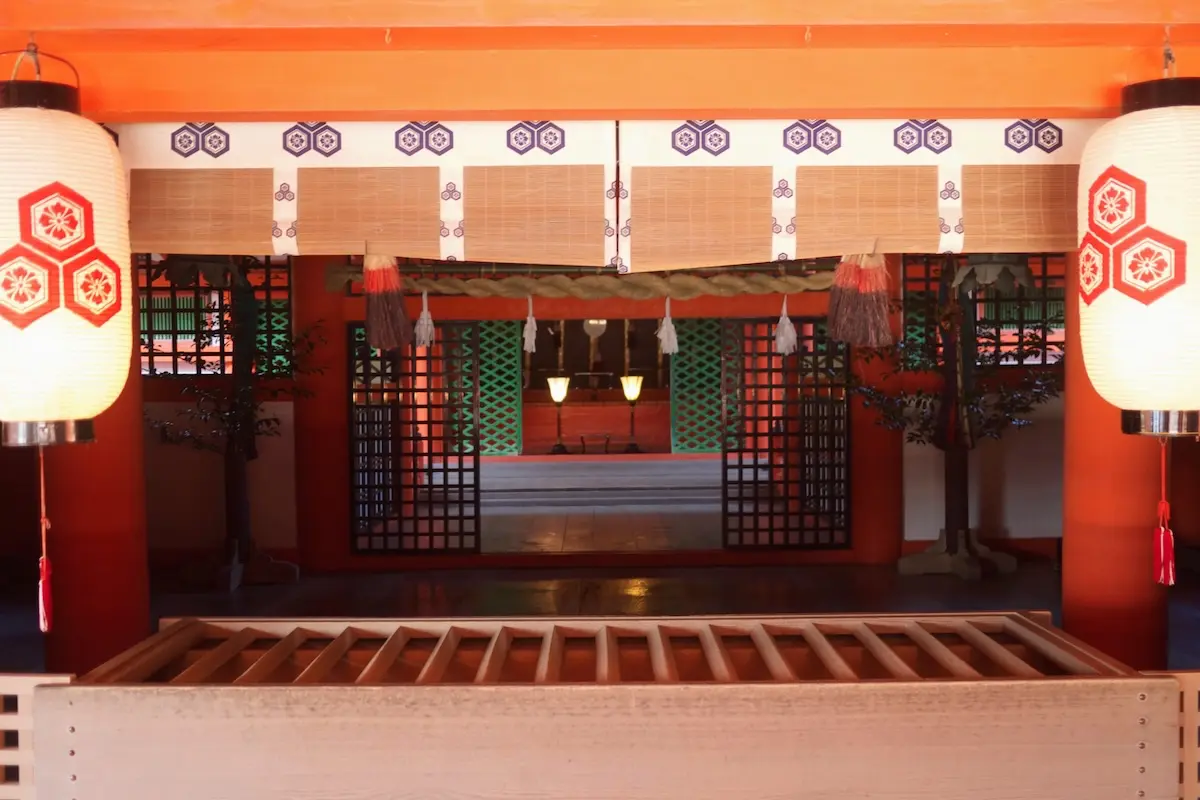
The worship hall is in front of the honden and is from where people pray to the deities resident in the honden. Before that, is the purification hall
The Great Torii Gate

Standing 16.6 m tall and built from camphor wood, the shrine’s Great Torii (大鳥居) is Itsukushima’s most recognizable symbol. Although its lineage dates back to medieval times, the current structure was built in 1875. Made of the wood from huge camphor trees, it weighs over 60 tons and is held in place purely by gravity — an engineering marvel that allows it to sway gently with the tides.
At high tide, it seems to float upon the sea; at low tide, visitors can walk to its base and admire its monumental craftsmanship.
Stay on Miyajima overnight to appreciate Itsukushima Shrine at its most magical.
The Sacred Corridor of Itsukushima Shrine

The shrine’s network of corridors stretches 260 m across the water, connecting the Haiden (worship hall) and Honden (main sanctuary), are connected via long corridors that hover over the tideline. One notable element is the Noh stage, dating to 1590, where traditional performances are held as offerings to the gods. Each corridor’s floorboards are slightly spaced apart, allowing seawater to flow through during high tide, preventing damage.
Stages of the Gods
The Takabutai, or bugaku dance stage, is a National Treasure. This is also where visitors line up to get the prized shot of themselves with the great torii gate as a backdrop.
Nearby, a Noh stage, recognizable by the stylized painting of a twisted pine tree, floats above the tide, its acoustics refined by a hollow underfloor structure. During ceremonies, masked performers move to the haunting tones of gagaku—court music once brought here by Taira no Kiyomori himself.
Experiencing the Shrine: Timing, Ceremony & Symbolism
Tides & the Illusion of Itsukushima Shrine
One of the shrine’s greatest charms is its transformation with the tides. Around a 250 cm water level or above, the Great Torii seems to float in the sea. At lower tide levels, typically below 100 cm, the shoreline recedes and you can actually walk up to the torii and peer up at its scale.
If visiting during low tide, look out for the Kagami no Ike (Mirror Pond), an ephemeral pond in the east corridor area, celebrated since the Edo-era as one of the shrine’s scenic treasures.
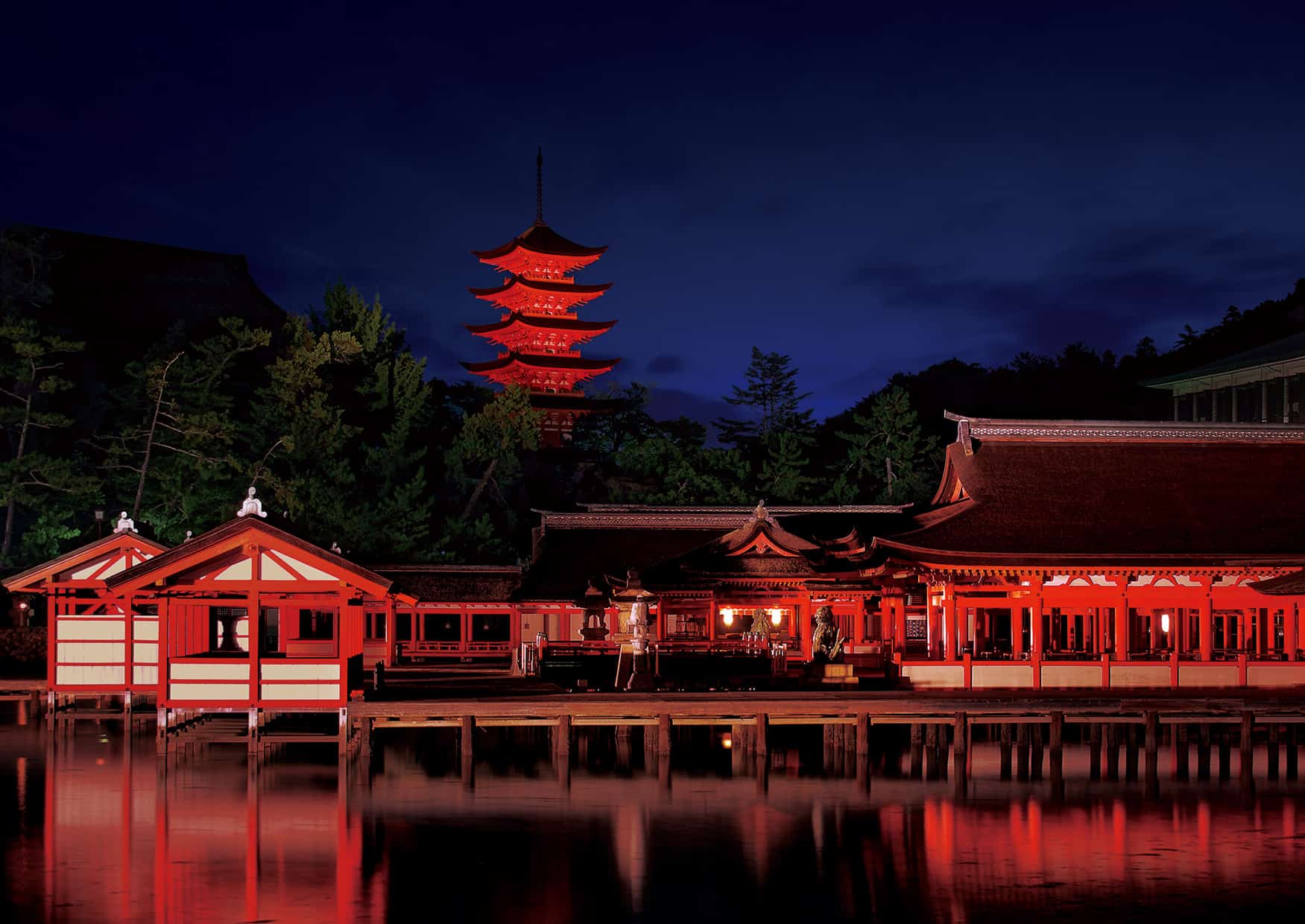
By night, the torii and walkways are lit from the shore, accentuating the floating effect against the dark sea.
Rituals and Festivals: The Island’s Living Traditions
The local community helps preserve the culture of the island with their enthusiastic participation in ceremonies and festival, centered on Itsukushima Shrine.
Kangen-sai Festival (管絃祭) – Each summer, boats bearing musicians drift across the bay, their melodies echoing over the waves. This centuries-old festival—instituted by Kiyomori—is one of Japan’s three great maritime celebrations.
More about the Kangen-sai Festiva
Tōka-sai (Peach Blossom Festival) – In spring, bugaku dancers perform on the open stages, framed by blooming cherry trees and misty mountains.
Chinka-sai (Fire Prevention Festival) – A winter rite in which sacred torches are paraded through the streets and raised before the great torii gate
More about the Chinka-sai Festival
The island’s sacred code remains: to this day, no births or deaths occur on Miyajima, officially anyway. Pregnant women and the gravely ill traditionally depart for the mainland, preserving the island’s purity.
Echoes of War and Purification
Itsukushima’s beauty has not shielded it from history. In 1555, during the Battle of Itsukushima, warlord Mōri Motonari defeated rival Sue Harukata in a brilliant ambush near the shrine. Afterwards, Motonari ordered the grounds ritually cleansed—the soil washed with seawater to remove the stain of blood.
Nearby stands the Sotoba-ishi, a votive stone linked to the exiled courtier Taira no Yasuyori, whose poems sent adrift on wooden tablets were said to have floated miraculously to Miyajima’s shore.
Why Itsukushima Endures
Itsukushima Shrine is more than a tourist icon—it is a dialogue between human artistry and natural divinity. The shrine does not dominate its setting; it inhabits it, embodying a Shinto worldview in which mountains, forests, and seas are alive with spirit.
UNESCO calls the shrine “a masterpiece of human creative genius” for the way it fuses architecture and environment. Yet to stand there in silence, as the tide laps against the vermilion pillars, is to feel something beyond words—a stillness that connects centuries of devotion.
Itsukushima Traveler Tips
Best time & tide: Check our tide chart in advance. For the full “floating” effect, aim for high tide. If you prefer up-close views, visit during low tide.
Hours & admission:
06:30-18:00 (later in summer and during some festivals)
Admission:
Adult: 300 yen
High school age: 200 yen
Junior high and elementary school age: 100 yen
You can walk out the the torii gate at low tide, free of charge.
Seasonal beauty: Spring cherry blossoms and autumn maples frame the vermilion structures beautifully. The soft light of dawn or dusk often yields outstanding photo opportunities.
Beyond the shrine
Outside of the main shrine, but nearby the Tahōtō pagoda, and the Five-story Pagoda are also some of the 17 buildings and 3 structures that together constitute the World Heritage precinct. Be sure to also explore Daishō-in temple which used to manage Itsukushima Shrine in the days before the enforced split of Shinto and Buddhism, and the sacred forests of Mount Misen, which provides the impressive backdrop to Itsukushima Shrine and has itself been an object of worship for centuries.