Iwami Ginzan and Yunotsu Onsen, Revisited
I recently made a return visit to Iwami Ginzan, a sprawling UNESCO World Heritage Site that stretches beyond the remains of the intricate network of silver mines and preserved townscape of the Omori heritage zone, to the surrounding mountains and seaside port such as Yunotsu Onsen, for an overnight visit.
Regular readers may recall that GetHiroshima joined a winter road trip to this area here last year. One which began in a swirling snowstorm.
This time, we were blessed with clear blue skies and crisp sunshine. Though the air was still chilly, the warmth of our welcome during this off-season stay was as memorable as ever.
Iwami Ginzan World Heritage Center: Going Hands-On
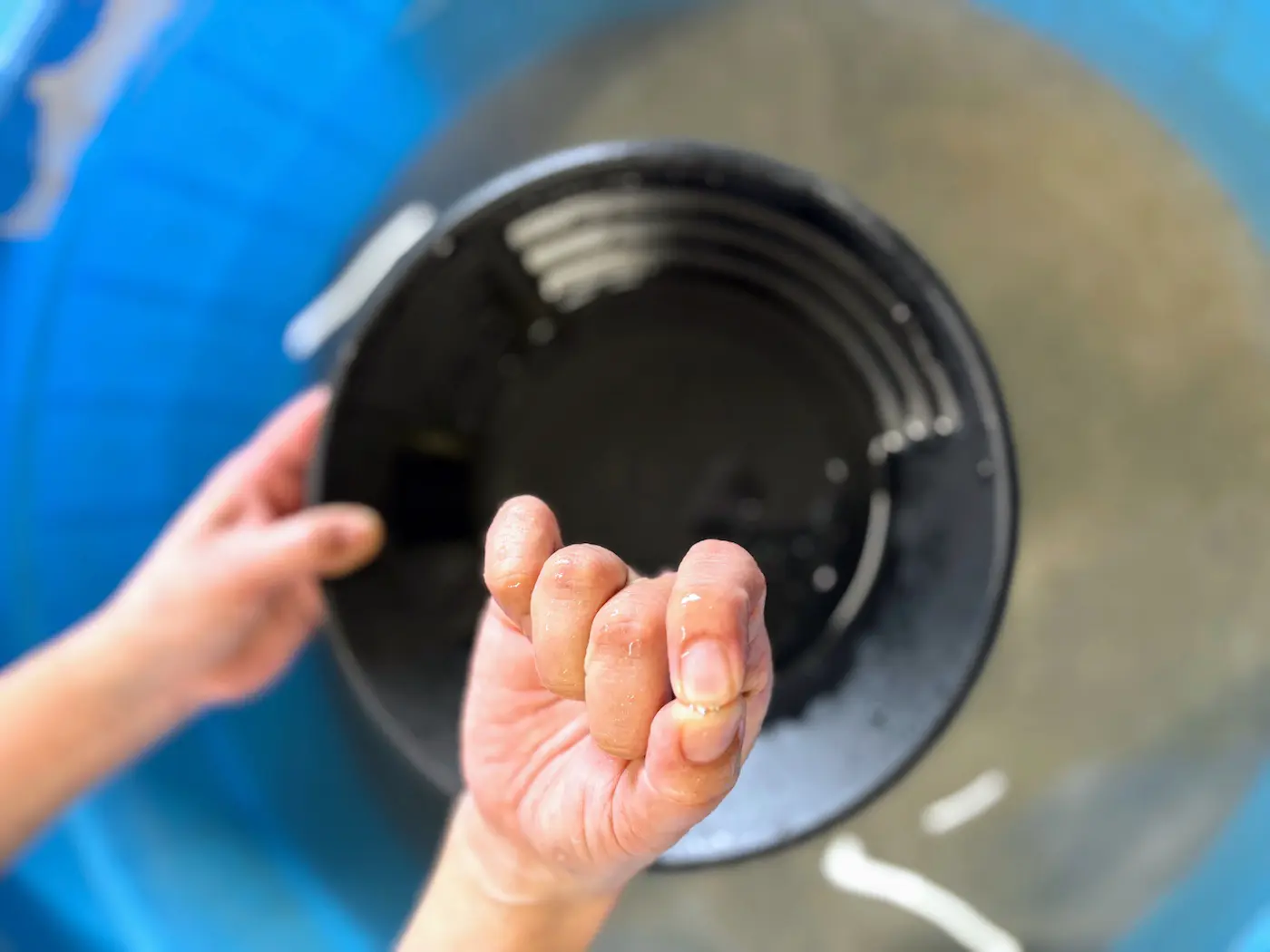
On my second visit to the thoughtfully designed Iwami Ginzan World Heritage Center, the focus was hands-on: silver mining and craft experiences. Alongside @Hiroshima Food Snob and
@meanttocreate_, I would be panning for real silver and creating a personalized silver ingot replica.
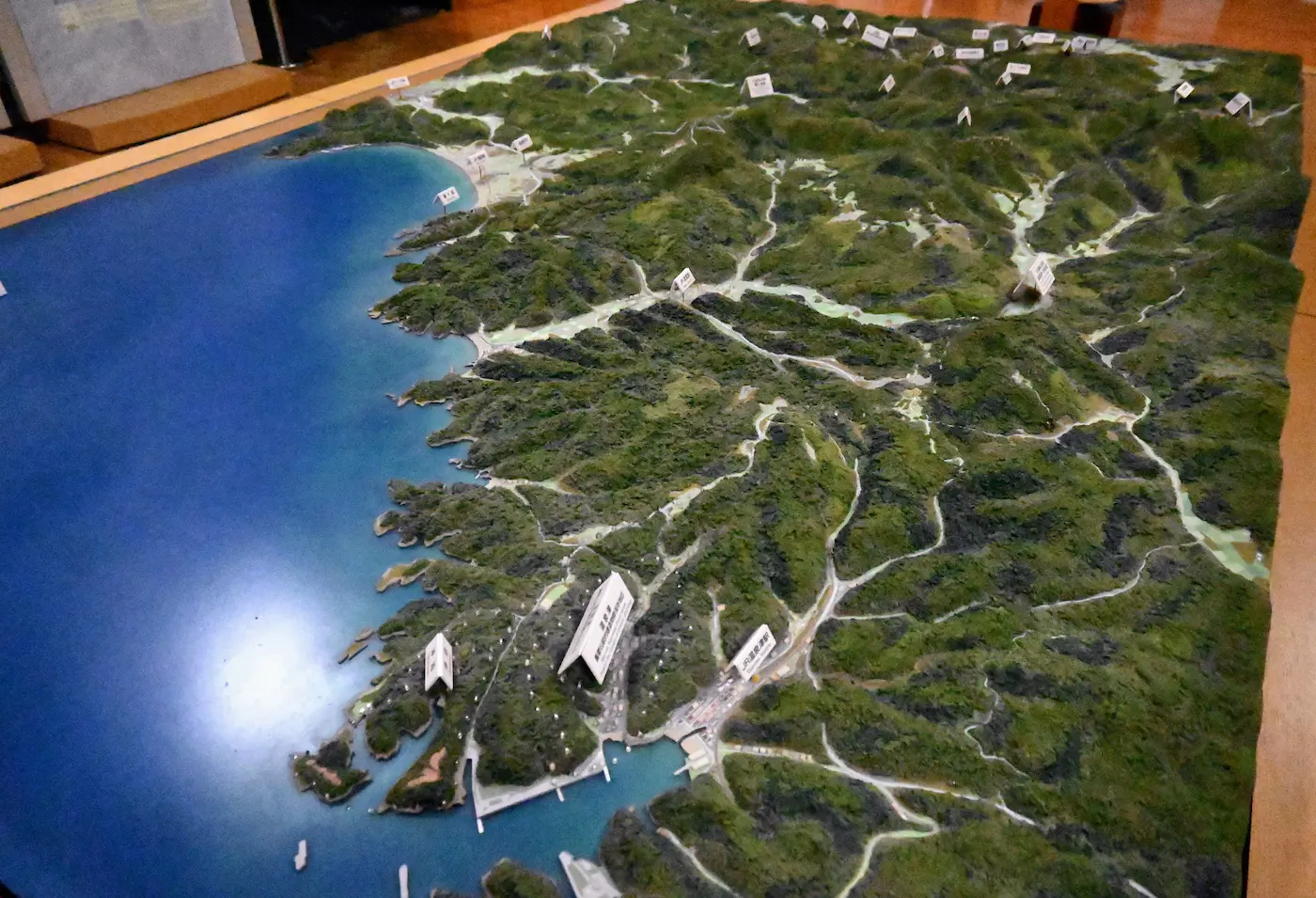
Before the workshops began, we were given a short guided tour of the center, focusing on exhibits most relevant to the activities ahead. Once again, I was struck by the sheer scale of the World Heritage Site. A large diorama near the entrance makes this clear: beyond the mine shafts and settlements, the site stretches all the way to the ports from which vast quantities of silver were exported in the 16th and 17th centuries, as well as to the mountaintop forts that once protected the region.
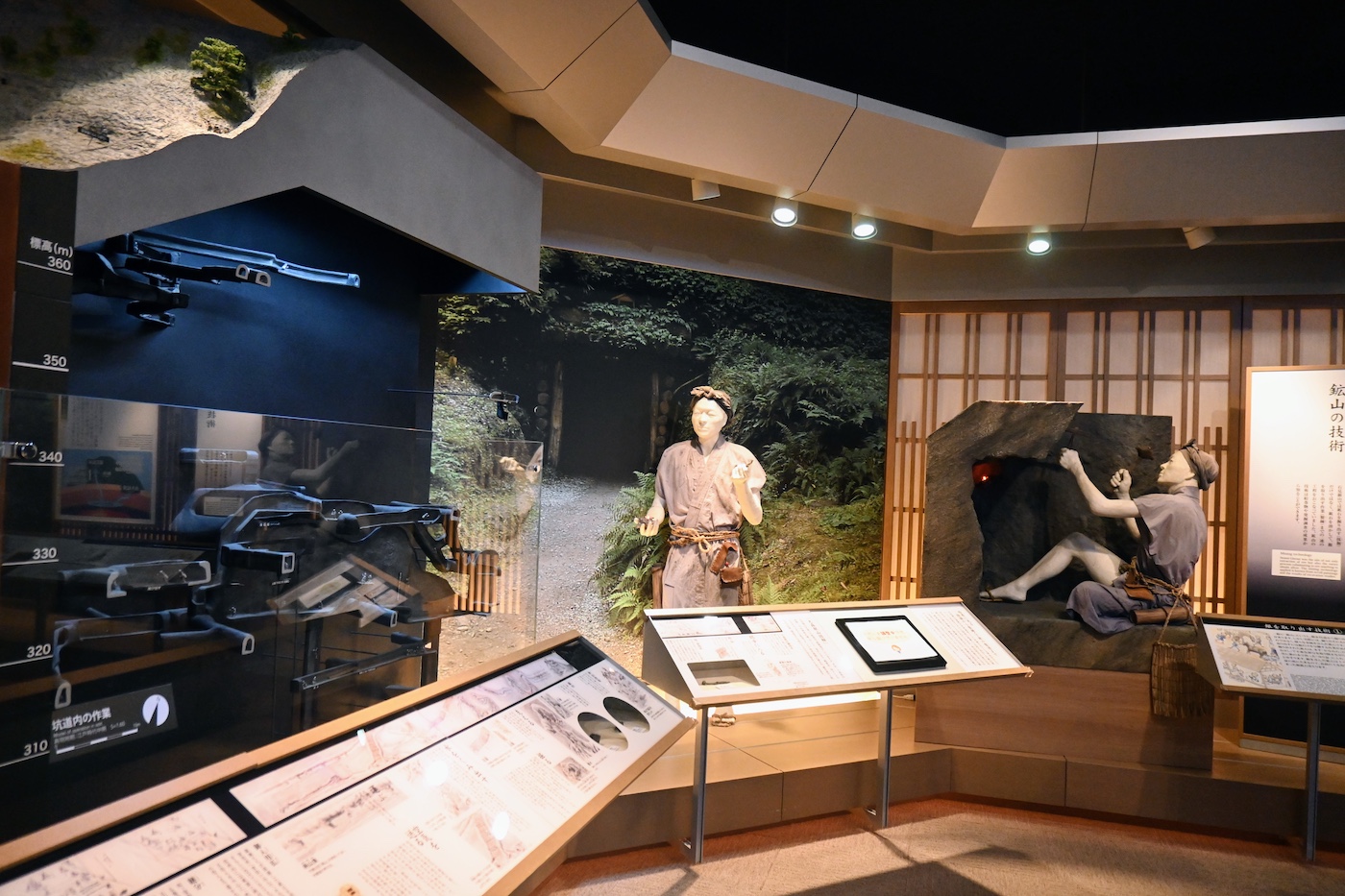
Recreations of the 24-meter Iwami Ginzan Picture Scroll, created in the 19th century, vividly convey the harsh conditions endured by miners. Armed with little more than tiny chisels, they worked day in and day out in narrow tunnels.
Constant exposure to dust and smoke from rapeseed oil lamps, combined with the ever-present dangers of flooding and collapse, meant a miner’s life expectancy was around 30 years. Yet many were willing to accept the risk in exchange for relatively high wages earned from extracting even minute amounts of silver.
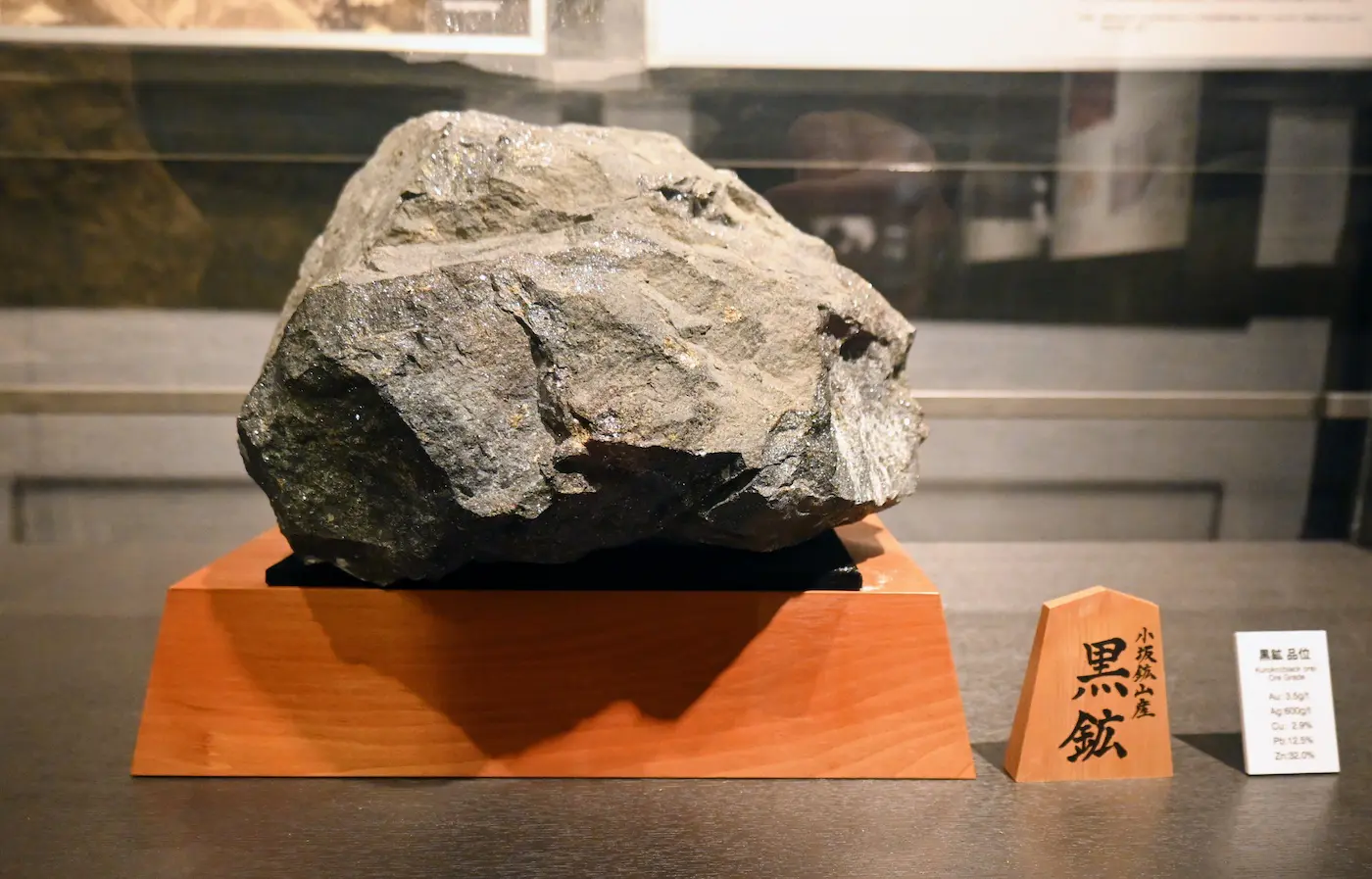
The skill required to locate veins of silver was highlighted by a chunk of black ore displayed in a glass case. To our surprise, the glittering flecks were not silver at all. Unrefined silver is black and nearly indistinguishable from the surrounding rock—a fact that made the miners’ expertise all the more impressive.
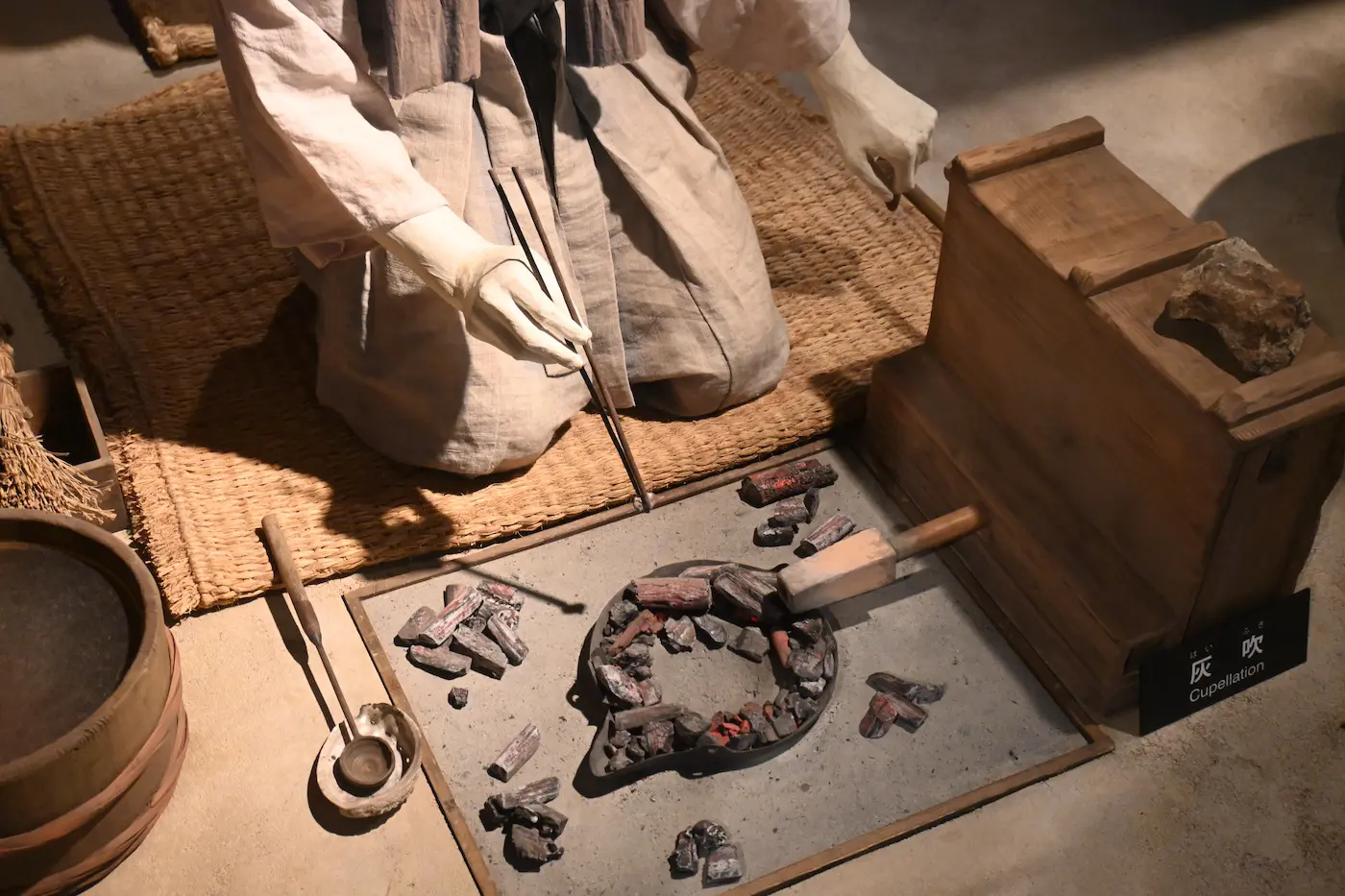
Nor did the dangers end underground. The introduction of cupellation in the late 16th century revolutionized refining and boosted output. However, the process required lead, and workers exposed to lead’s toxic fumes suffered serious health damage.
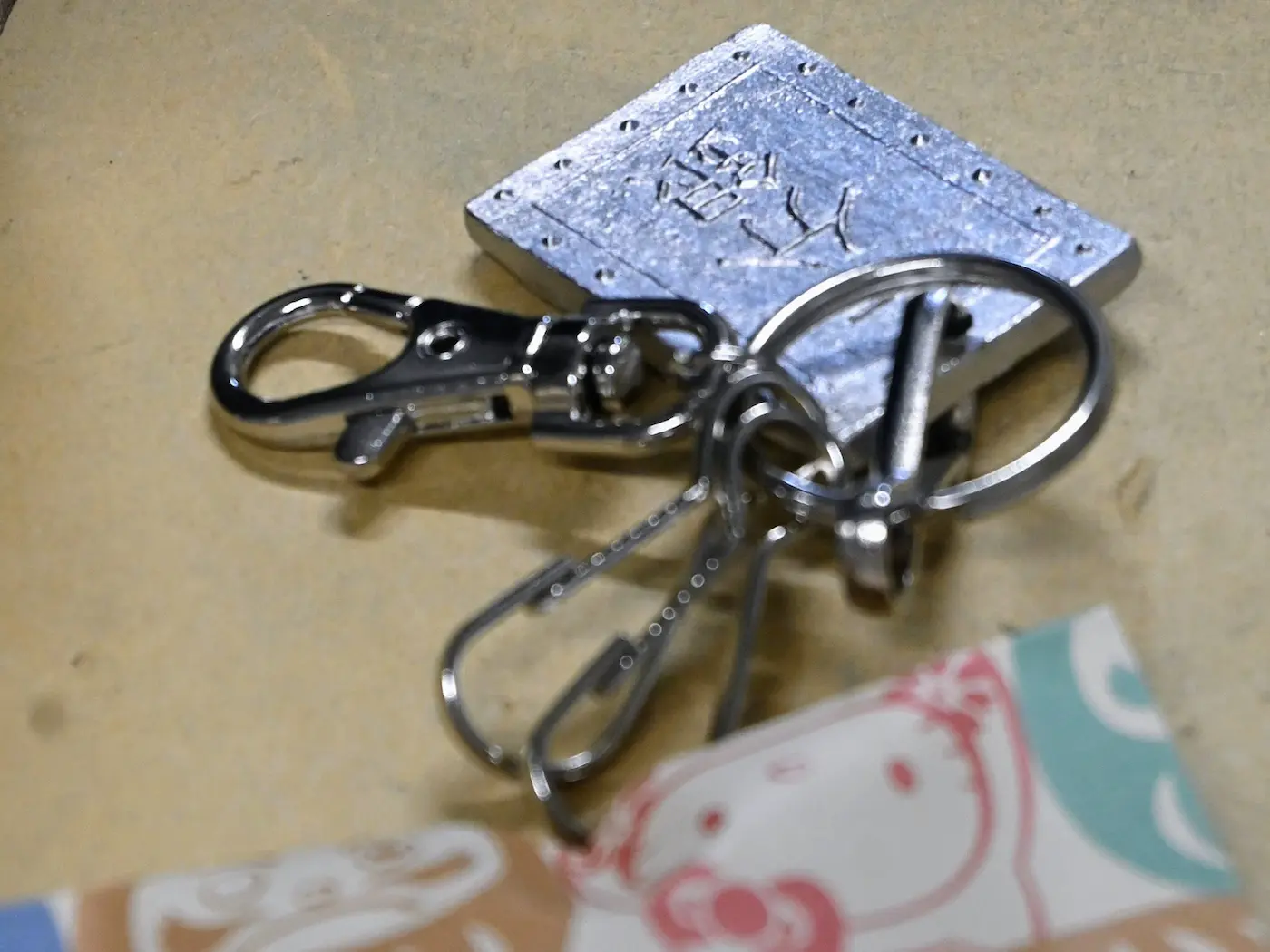
Fortunately, our own “silver” refining” experience was both lead- and silver-free. Using tin and bismuth, we heated the metal to around 140°C, donned protective gloves, and poured the molten mixture into prepared molds. Once set, we stamped each ingot with a design of our choosing.
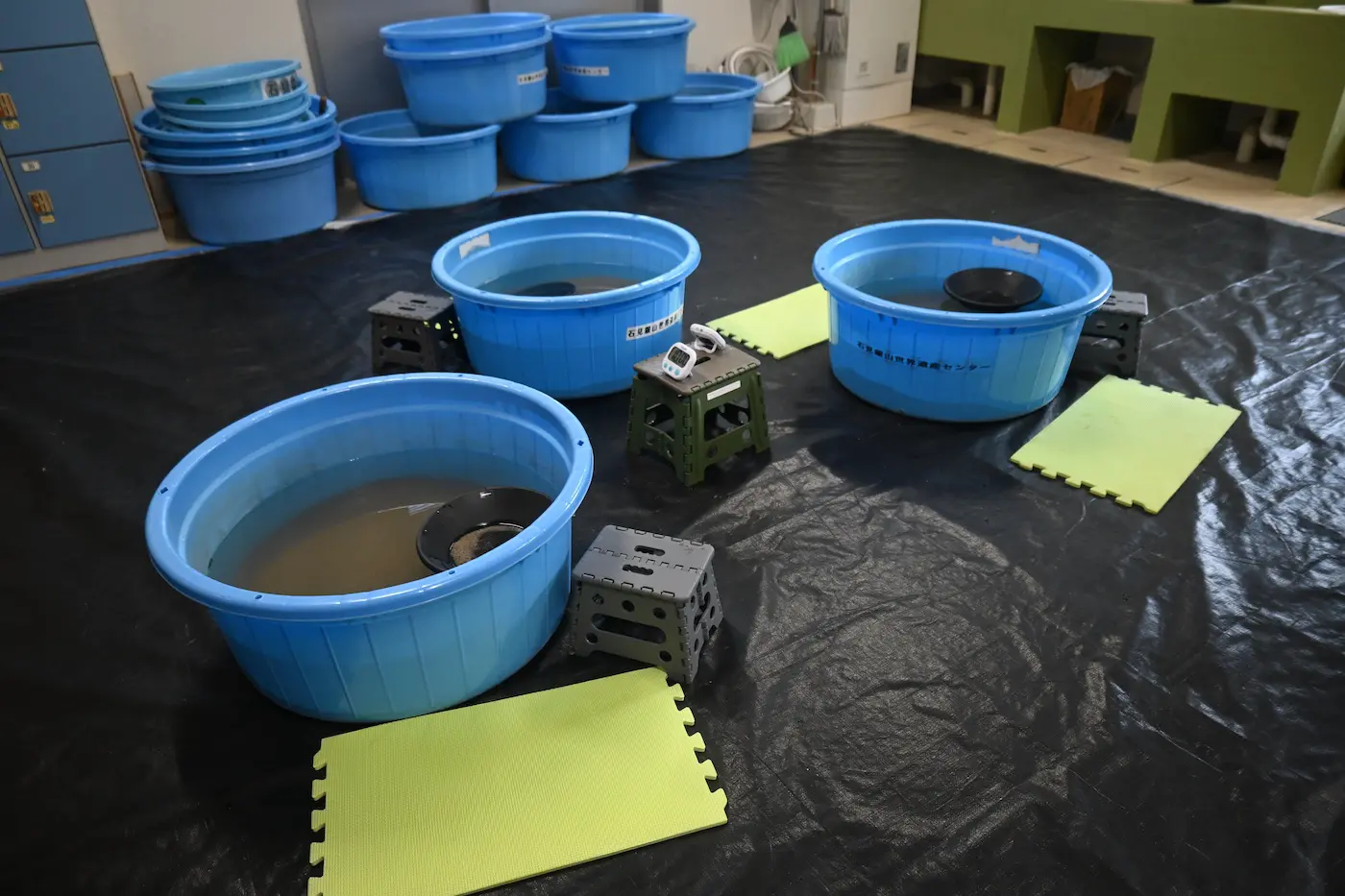
While our silver ingots cooled, we moved to buckets filled with water and sand. Our instructor scattered a tiny thimbleful of pure silver beads into the mix, where they promptly disappeared. We had just ten minutes to pan for as much silver as we could—an apparently impossible task.
After a quick demonstration, the instructor deftly swirled away the sand, revealing a cluster of gleaming beads. Inspired—and motivated by the promise that we could keep whatever we found—we eagerly got to work. Ten minutes flew by.
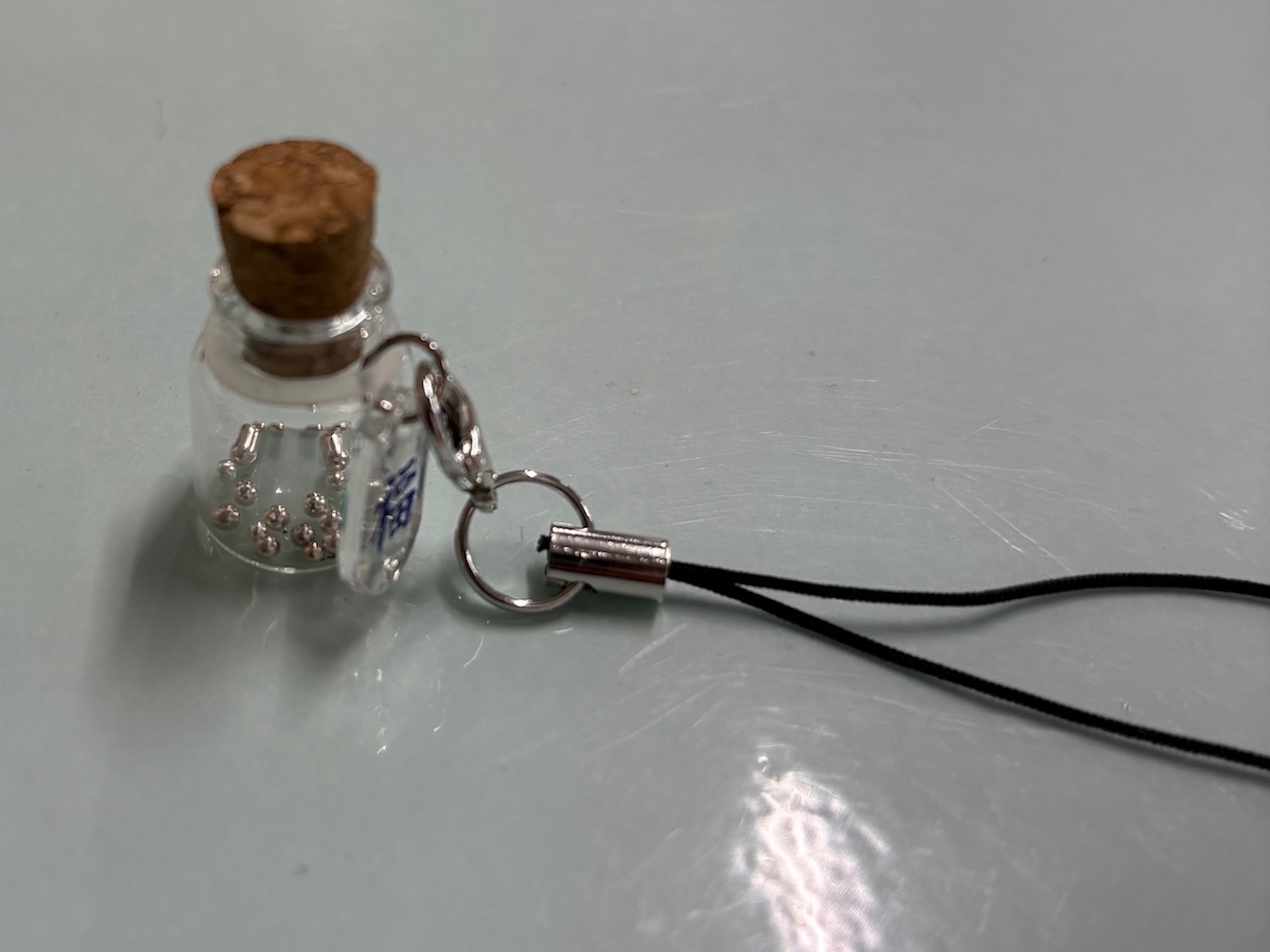
None of us would be retiring with our haul. However, we each collected a small vial of silver beads to take home, along with our replica ingots, stamped, buffed, and polished into shiny key holders, after the metal had cooled.
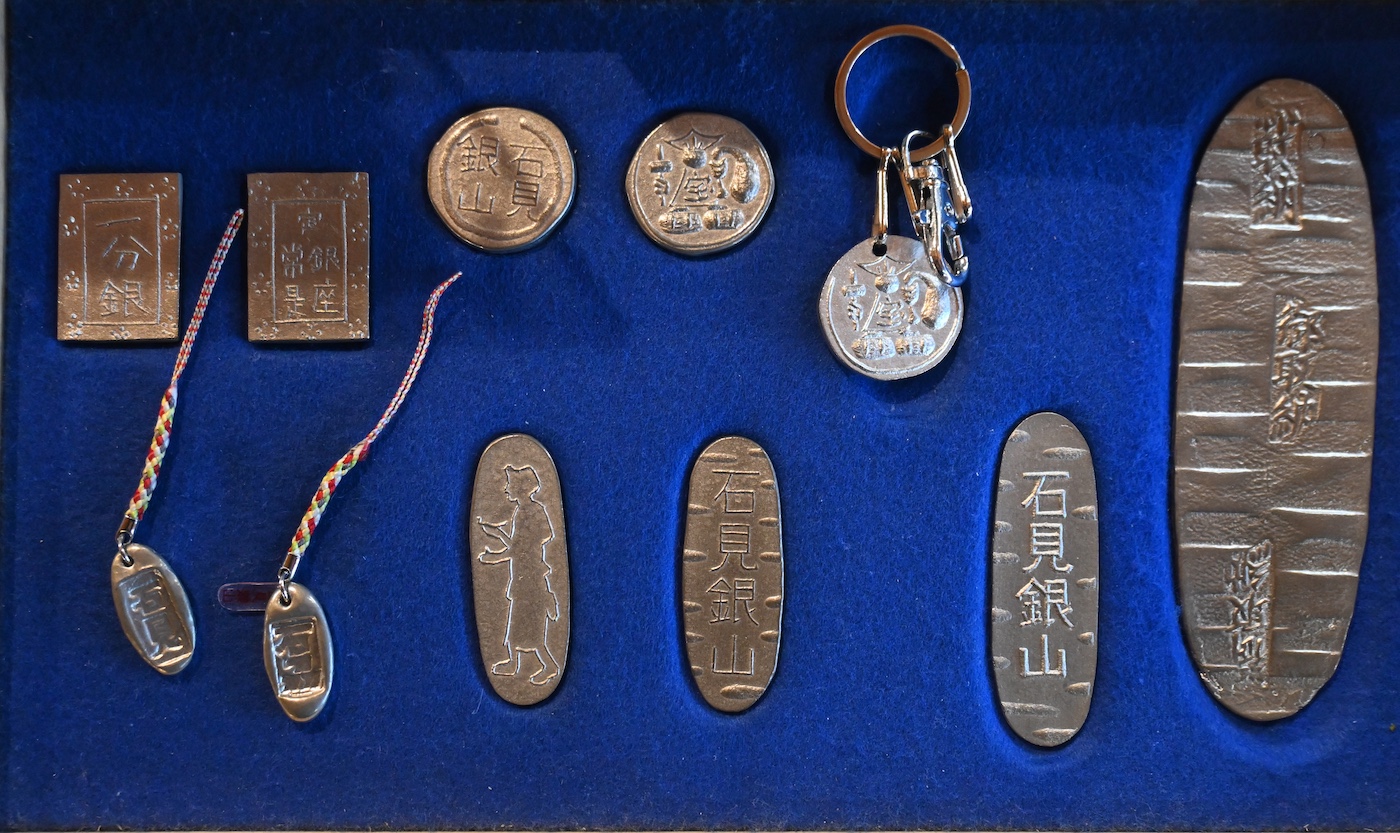
I chose to mold my ingot in the style of one of the 1,000 pieces, together weighing 180 kilograms, that the warlord Mori Motonari reportedly presented to the emperor in 1560. Having seen the painstaking production process, it is hard to imagine such a vast quantity being produced with nothing more than rudimentary tools.
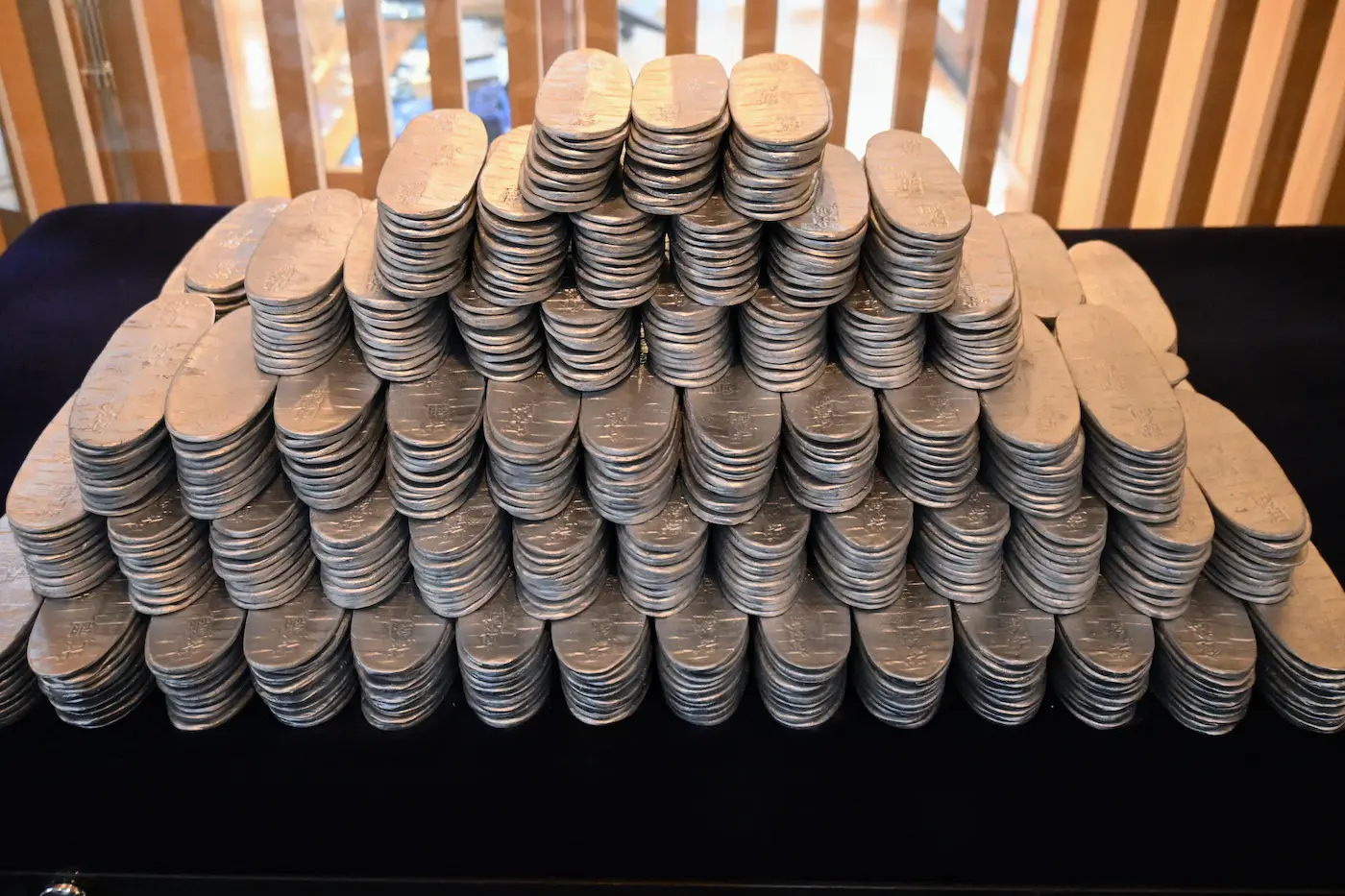
At the time of our visit, silver was valued at 502 yen per gram, putting the modern-day value of that gift at over 93 million yen.
We all agreed that the workshops were far more enjoyable than expected. While tours require an interpreter because there is no English-speaking staff, the workshops can still be enjoyed even without Japanese.
Find more details about the workshops offered at Iwami Ginzan World Heritage Center here. I recommend combining the chogin ingot keyholder-making workshop with the silver panning workshop for 90 minutes of fun.
A Deeper Look at Omori Town
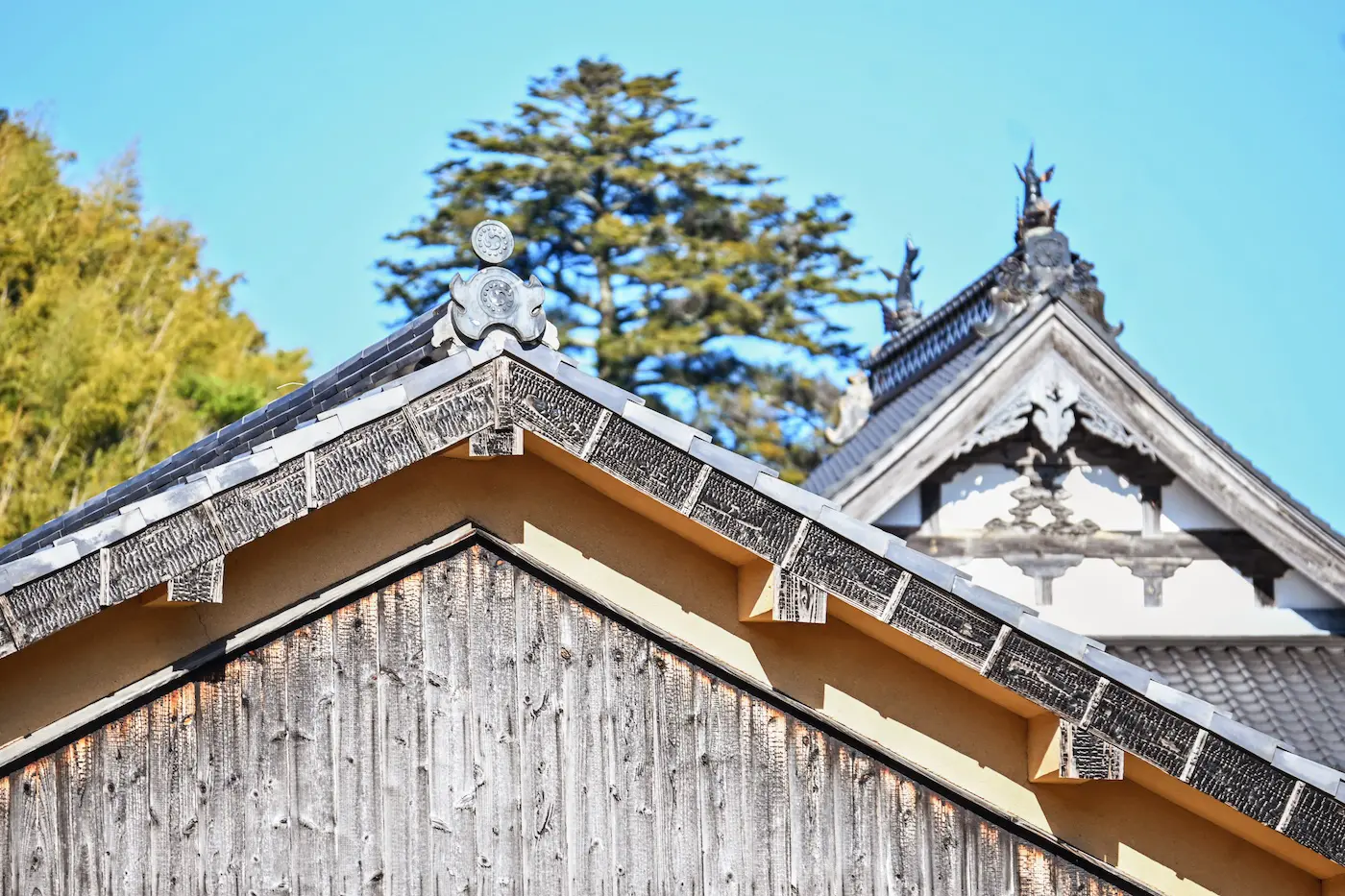
At Café Jyuru, we were greeted by Chizuru Kudo, a local guide with excellent English and deep knowledge of Iwami Ginzan, and the Omori Historical Preservation District in particular. After a satisfying lunch, we set out to explore this town built on mining wealth.}
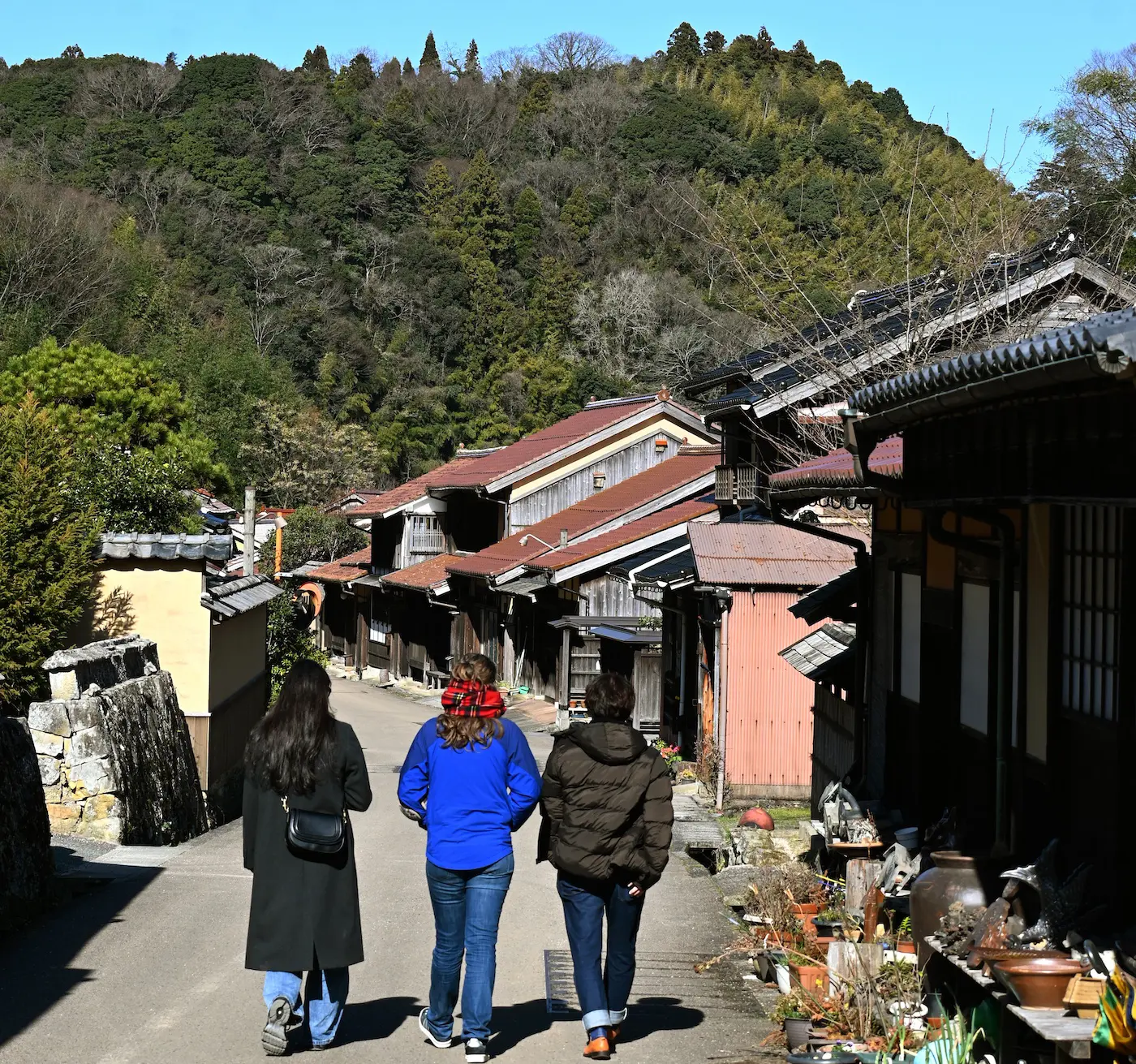
One caveat: many of Omori’s charming shops and cafés—including Gungendo’s celebrated store and the splendidly-named Eis&Café Bäckerei Konditorei Hidaka, a German bakery that draws visitors from far afield—are closed on Wednesday, which happened to be the day of our visit.
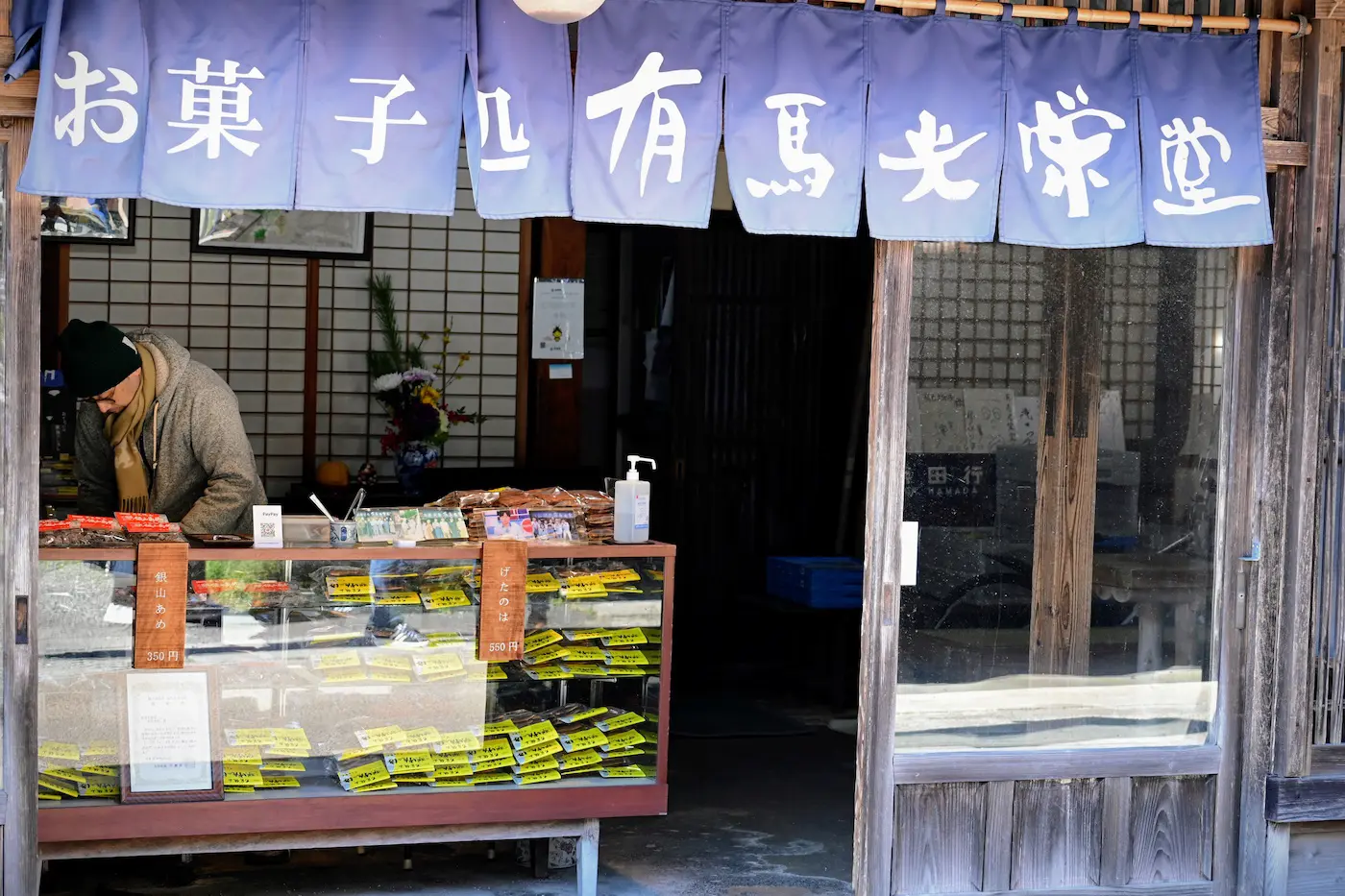
We did manage to stop by Arima Koueido, a sweet shop in business for over 200 years, where we sampled geta-no-ha crackers, said to be a miner’s snack, and ginzan-ame candy, both local specialties.
Much of the tour focused on two of the town’s best-preserved buildings: the former residences of high-ranking samurai and wealthy merchant families. Chizuru highlighted the contrasts in their architecture and interiors, illuminating a period when social hierarchies were shifting as merchants gained influence while samurai fortunes declined. Both buildings were destroyed in a devastating fire in 1800, yet still vividly convey life in the late samurai era.
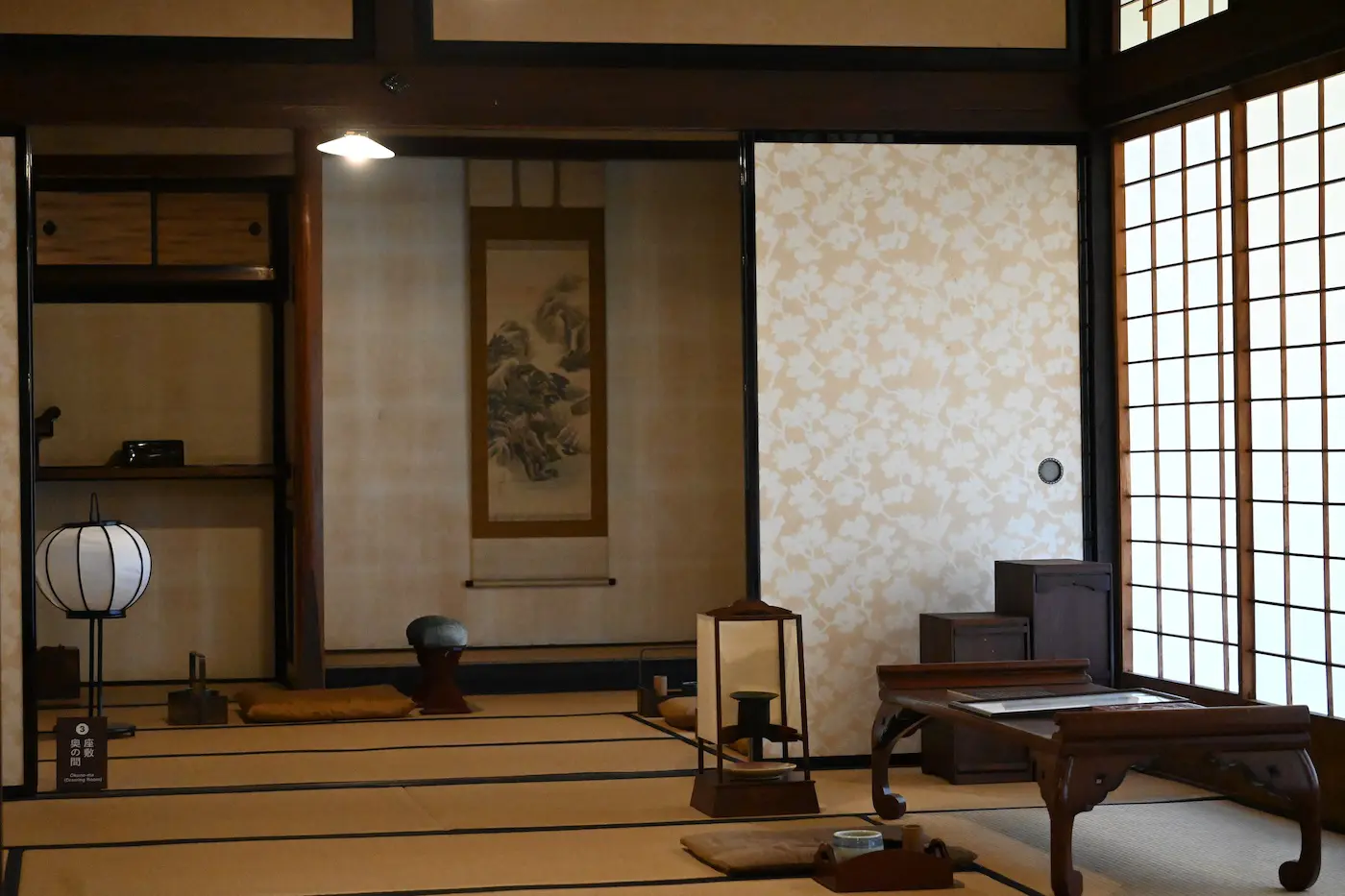
The former Kawashima family residence, once home to samurai who served for generations as magistrates for successive shoguns, is a restrained and elegant example of samurai architecture.
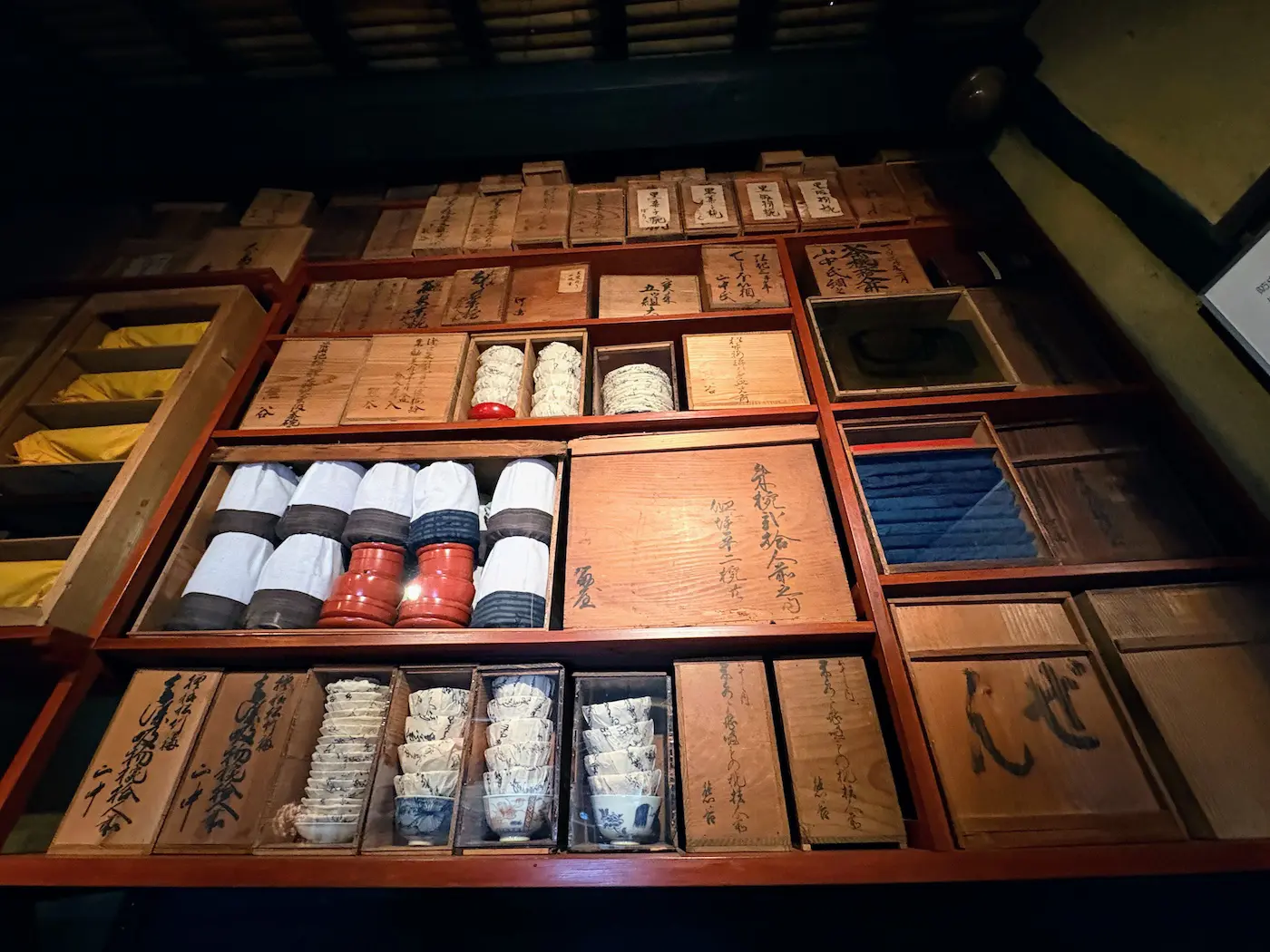
The second-floor storeroom, stacked with everyday items, all carefully labeled and in remarkable order, offered a particularly vivid glimpse into daily life. I also felt great sympathy for the servants who hauled goods up its steep staircase.
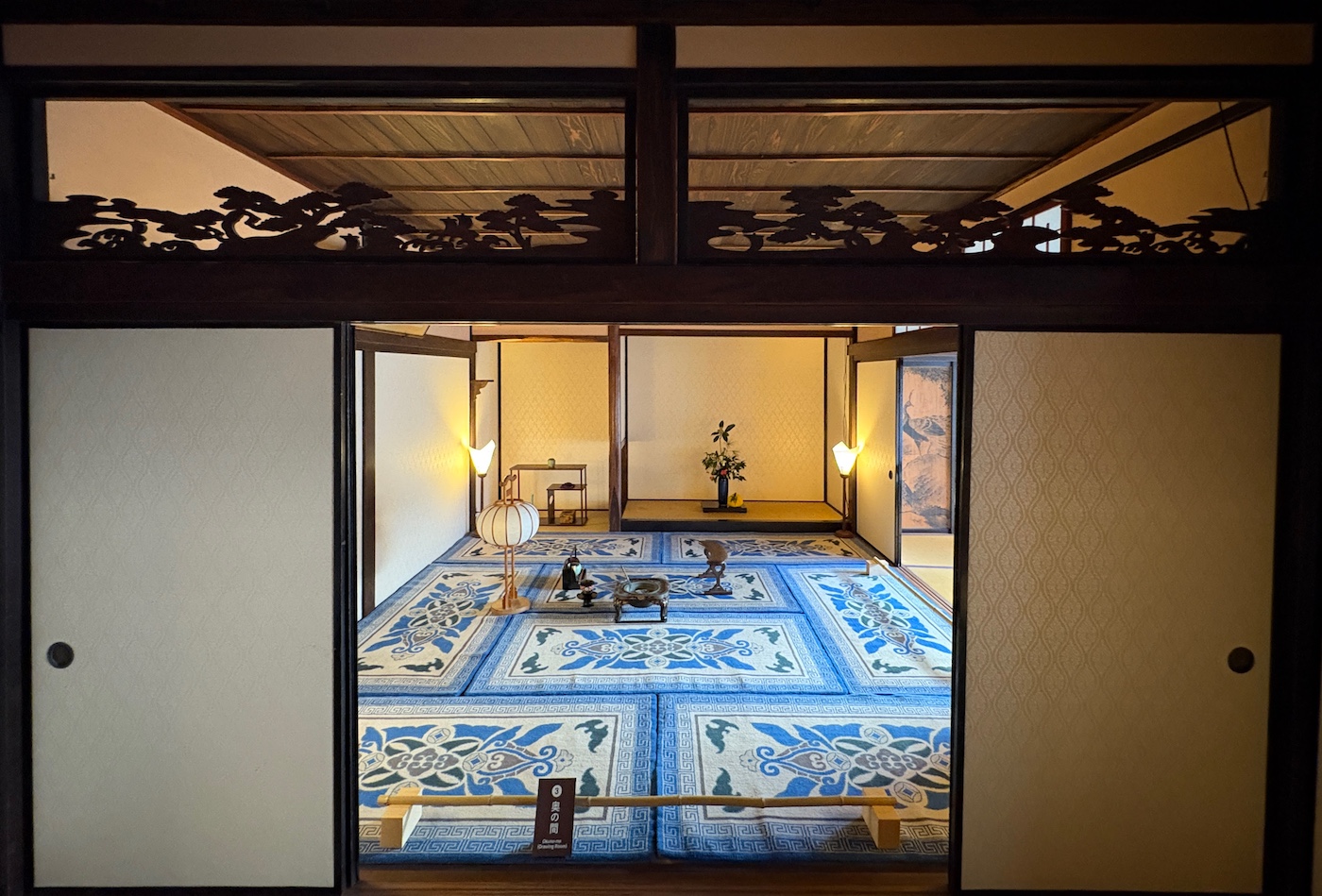
In contrast, the Kumagai merchant family residence is grand and visually arresting. In winter, exquisite handwoven carpets from the Middle East, are laid over the tatami mats, their bold patterns unlike anything else I have seen in Japan.
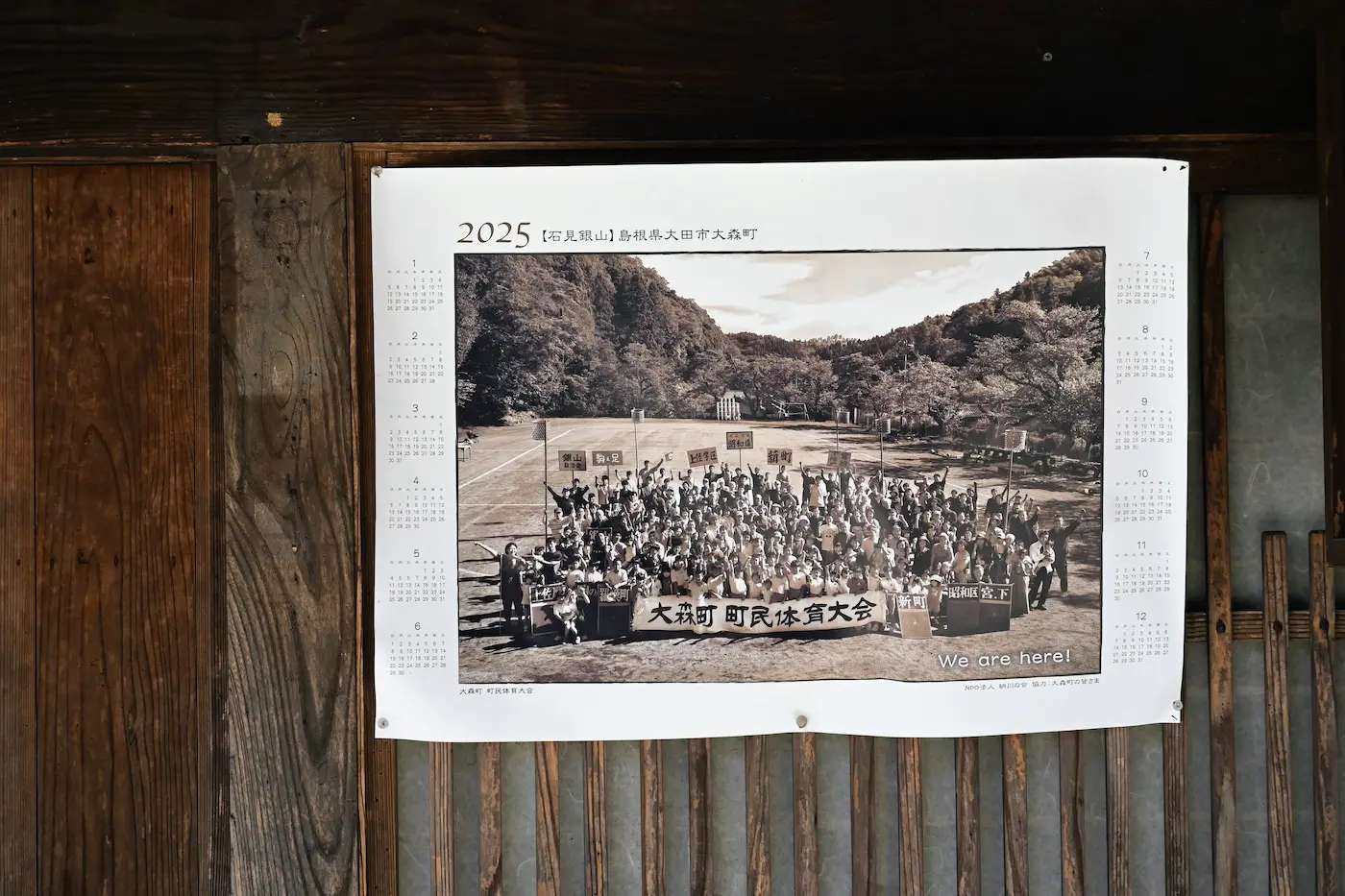
As we walked along Omori’s main street, Chizuru shared many fascinating historical stories and spoke about the town today, pointing out businesses such as Gungendo and Nakamura Brace. Through sensitive restoration and imaginative reuse of historic buildings, Omori quietly defies Japan’s rural depopulation trend, as captured in a photograph of a local community sports day, proudly posted on a street wall.
Iwami Ginzan and Omori Guide
Engaging Chizuru Kudo as a guide during your visit to Iwami Ginzan will vastly enhance your experience. You can contact her directly via email at chibo3000 at docomo.ne.jp
Beguiled Once More by Yunotsu Onsen
Although tempted by Omori’s accommodation options, our itinerary took us onward to the retro hot spring town of Yunotsu Onsen.
Yunotsu is one of the best places to experience Iwami Kagura. On Saturday evenings, performances are held inside the imposing Tatsunogozen Shrine, named for the dragon-like rock formation looming above it. This dynamic folk art, drawn from Japanese myth, is thrilling anywhere—but especially powerful in a shrine setting.

On our way to check in at Yururi, a reasonably priced guesthouse in a beautifully restored townhouse, we stopped by the workshop of Taizo Kobayashi, one of the region’s few remaining professional kagura mask makers.
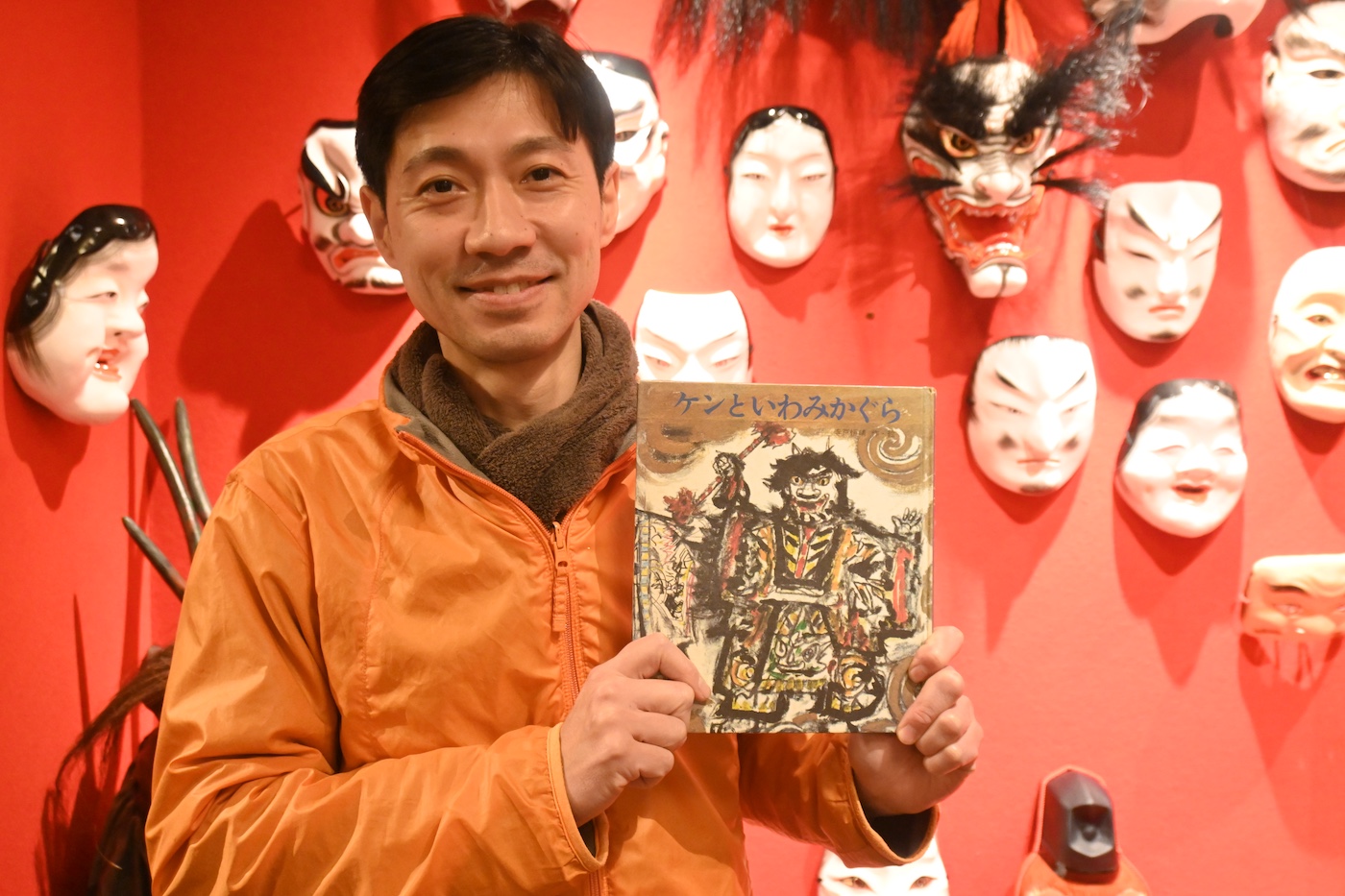
In addition to producing exquisitely crafted masks from Japanese washi paper, Kobayashi now creates striking wall reliefs depicting scenes from kagura plays. Joining one of his mask-painting workshops is highly recommended, particularly with an interpreter.
As I noted last year, part of Yunotsu’s charm lies in the number of cafés and eateries lining its main street—ideal for lingering before or after a soak in one of the two local hot springs.
It is, however, always worth checking in advance which days of the week they are closed.
We happened to be there on an evening when several places were closed. Thankfully, however, the delightful Shiki was open, where we enjoyed a memorable meal. Despite being busy, the friendly staff accommodated our on-the-spot dietary requests. They even transformed a slice of their killer cheesecake into a special birthday cake for one of our party.
With an early start scheduled for the next day, we passed on dropping by Soho, a highlight of my last visit, for a nightcap. The following morning, however, we lucked out with a breakfast that included excellent coffee and authentic French pastries at a weekly pop-up bakery.
Yunotsu Ware Pottery
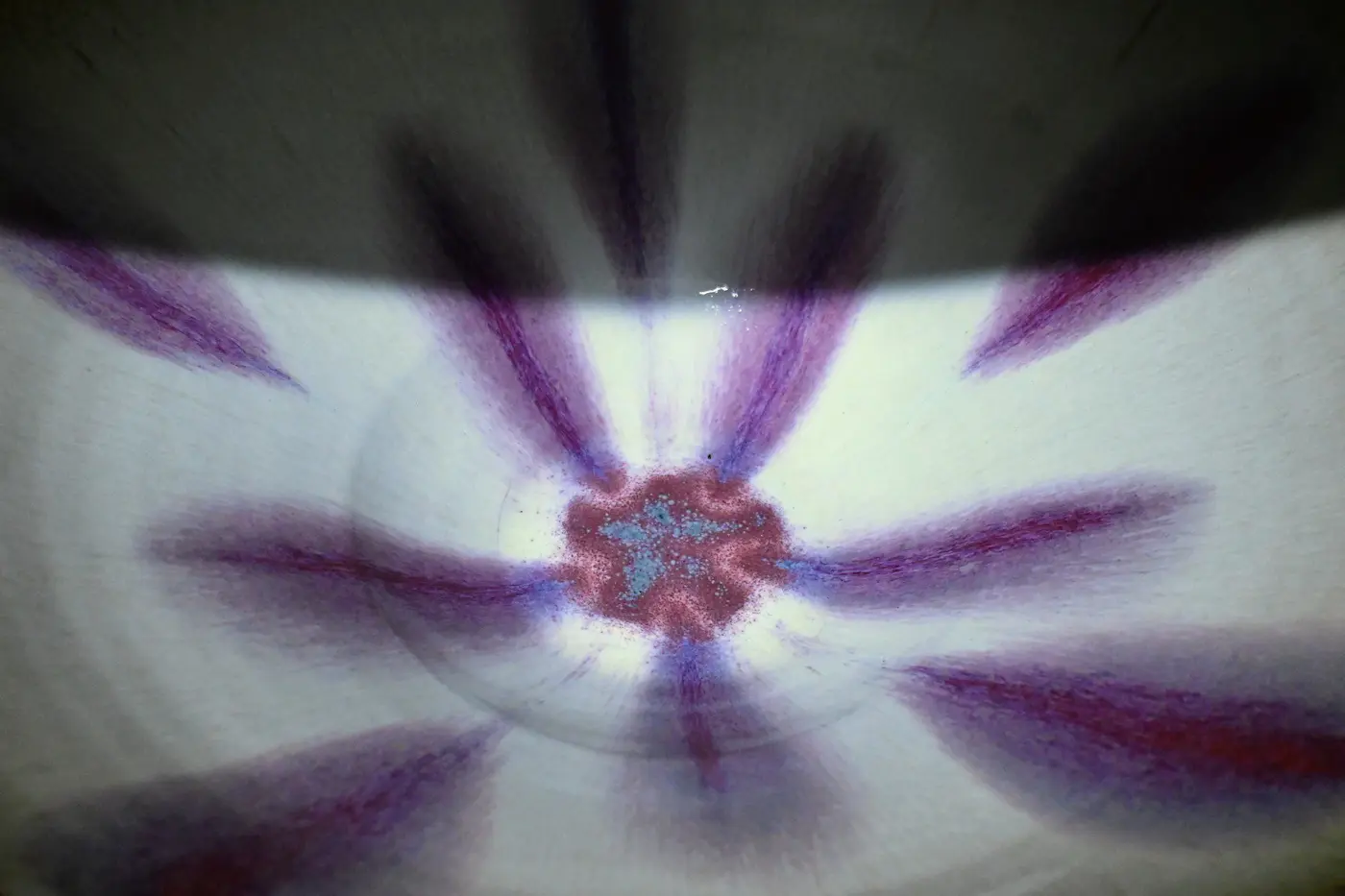
I was unaware that Yunotsu has its own pottery tradition. From the early 18th century, several kilns operated here, producing large storage jars (hando) that were shipped throughout Japan by trading vessels known as kitamae-bune calling at Yunotsu Port.
That tradition might have faded were it not for Kanjiro Kawai, who arrived in the early 20th century and played a key role in its revival. Working at what is now Moriyama Kiln, Kawai reestablished Yunotsu ware as functional pottery rooted in everyday life. His philosophy lives on through his final apprentice, Masao Moriyama, and at the Tsubaki kilns run by two generations of the Arao family.
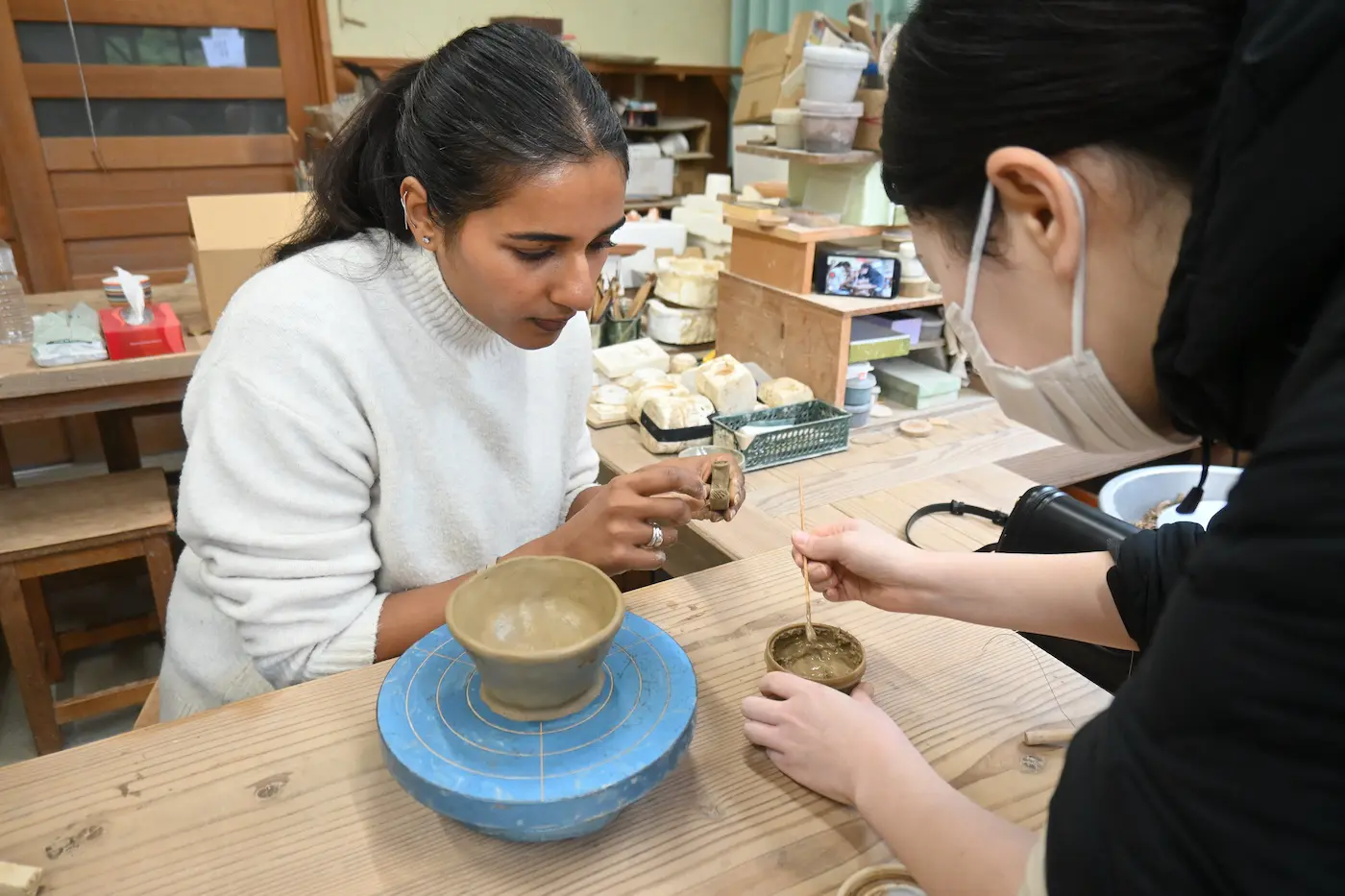
At Yunotsu Pottery Village, we tried our hands at a pottery workshop. My wobbly cup will no doubt join a growing collection, but it’s always nice to have the opportunity to work (play?) with clay. The experience was great fun, and my cup, however wobbly, will be a lasting memory of my trip.
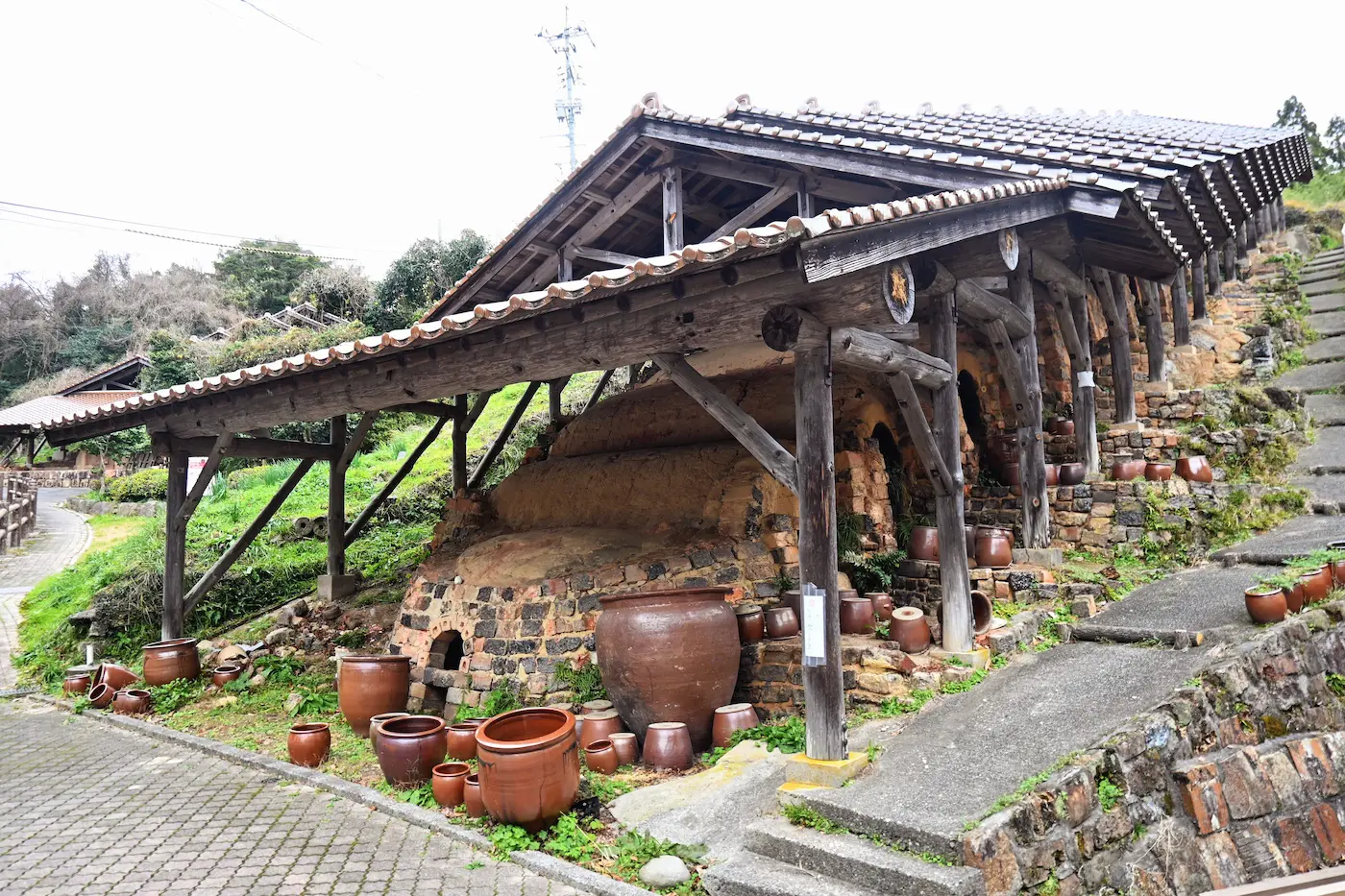
Two of the longest noborigama climbing kilns I have ever seen are located right next to the pottery village, sheltered beneath distinctive red sekishu-gawara roof tiles. Pottery enthusiasts should be sure to wander the paths connecting the kilns and the three working studios that continue Yunotsu’s ceramic legacy.
Iwami Opens Slowly, to Those Who Stay Curious
Every visit to the Iwami region reveals something new. It is a place that rewards return trips. Last year, I resolved to return in spring to walk forested paths through former mining areas, tour the Okubo Mabu shaft, cycle through the countryside, and relax in a private lodge. As for Yunotsu, more than ever, I’m convinced that it isn’t a destination so much as an experience – one you immerse yourself in and allow to quietly seep into your soul.
That didn’t happen in 2025.
So for 2026, my resolution is simple: to stay curious.
Iwami Ginzan and Yunotsu Transport Information
Getting to Iwami Ginzan from Hiroshima
Highway buses bound for Oda Bus Center call at Iwami Ginzan and Omori. They depart from Hiroshima Station (North Exit) at 10:00 and 14:55 daily. The journey takes 2 hours and 40 minutes.
Getting to Yunotsu via Hamada
While there are only 2 buses a day to Iwami Ginzan from Hiroshima, services to Hamada (2 hr 20 min) are more frequent. While it is a longer journey, the 45-60 minute train ride along the coast from Hamada to Oda and Yunotsu has its own charm.
Traveling between Iwami Ginzan and Yunotsu
Combine the train service between Oda-shi and Yunotsu (approximately 30 minutes) with the local bus services between Omori and Oda-shi JR Station – not to be confused with the nearby Oda Station – (approximately 35 minutes).
Alternatives include taking a taxi from Nima JR Station (accessible from Yunotsu) to Omori, which takes about 10 minutes. Nima Taxi can be reached at 0854-88-2046.