Imakoyasan: Discover Hiroshima’s “Little Koyasan” and a Hidden Temple Café
In the quiet hills of Sera, 90 minutes from Hiroshima, lies a little-known temple complex called Imakoyasan (今高野山).
While far less famous than its namesake in Wakayama, the history of Imakoyasan is deeply connected to Koyasan, the great center of Shingon Buddhism founded by the monk Kukai (also known as Kobo Daishi) in the 9th century. If you like to get off the beaten track, it is a fascinating and beautiful place to visit, and Setsugetsu-fuka Fukuchiin, housed in a restored 180-year-old former temple building, is the perfect place to start.
Hiroshima’s Koyasan
The name Imakoyasan literally means “the present” or “new Koyasan.” It reflects the temple’s historical ties to Kōyasan in Wakayama, the headquarters of Shingon Buddhism and the resting place of the great Buddhist saint and founder of Shingon, Kukai, also known as Kobo Daishi.
During the late 12th century, a large agricultural estate in what was to become Sera was bequeathed to Koyasan. As it was located hundreds of kilometers away from Wakayama, a local base from which to manage it was needed, and Imakoyasan became that base. From here, monks oversaw the agricultural lands belonging to Koyasan, the collection of rice taxes from farmers, and the religious administration of the region.
Today, Imakoyasan seems like a quiet countryside temple, but in the 13th century, it was a significant religious complex, according to records, comprising 12 temples and sub-temples, all run by a monastic community connected to the larger Shingon network centered on Koyasan.
Connection to the great Buddhist saint Kukai
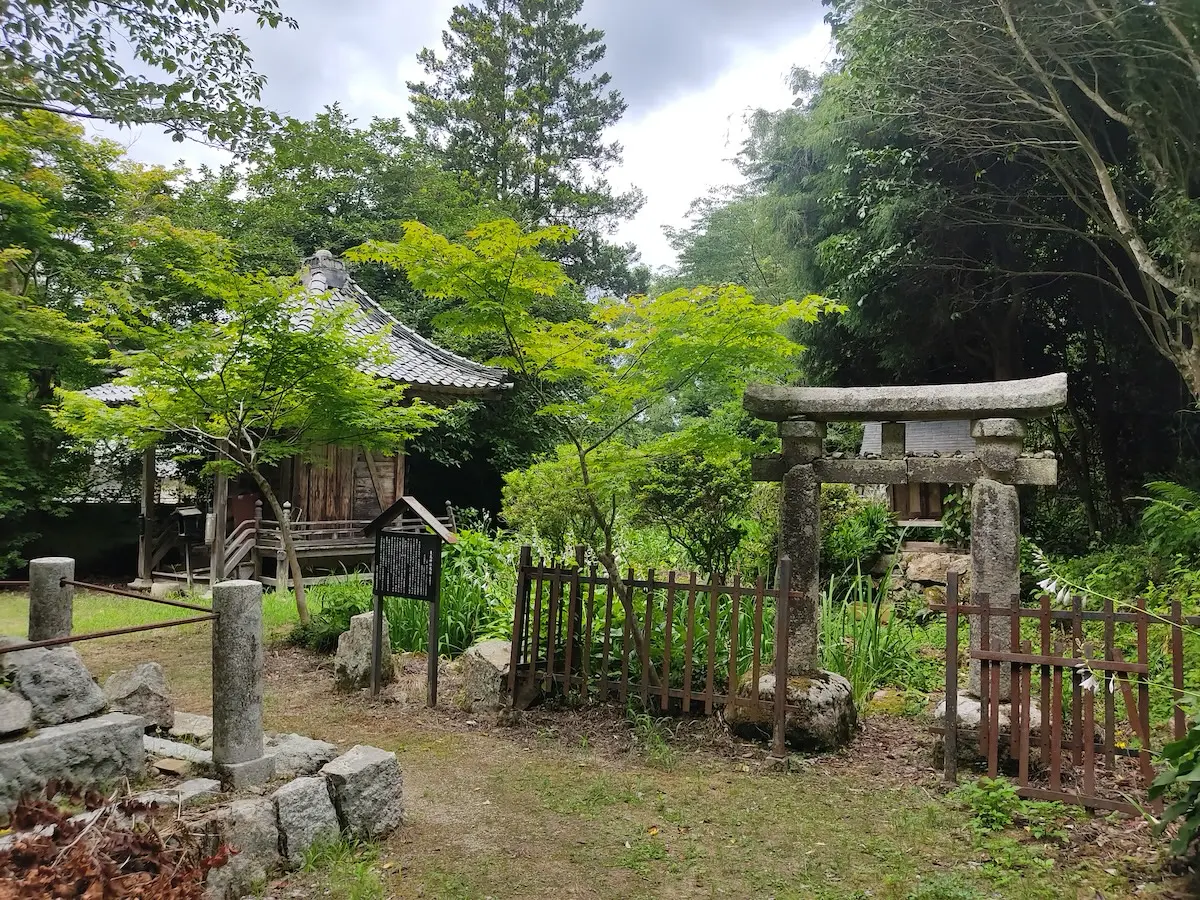
The earliest written mention of Kukai’s association with Imakoyasan dates from centuries after he is said to have established a temple here around 822. It is one of many Shingon temples across Japan (including Miyajima’s Daishoin Temple) that preserve stories linking their origins to Kukai’s travels.
The legend goes that one night, while staying at a nearby temple, Kukai, hearing the sound of Buddhist sutras echoing from a distant mountain, saw a radiant light shining from the summit. When he set out to investigate the next morning, he encountered a protective deity of Koyasan, who declared the mountain holy and promised to guard any temple built at this spot. If more proof was needed, Kukai discovered a tiny golden statue of Kannon, the bodhisattva of compassion, resting on a rock. Thus, Kukai, it is said, resolved to establish a temple on the site of Imakoyasan.
Today, the grandeur of the past has been replaced by a sense of quiet and antiquity. The surviving temples and shrines sit among tall cedar trees, and centuries-old ruins line the stone path that climbs up to Ryuge-ji, the complex’s main surviving temple. It is a tranquil landscape that encourages both reflection and photography.
A Temple Cafe with a View of the Seasons
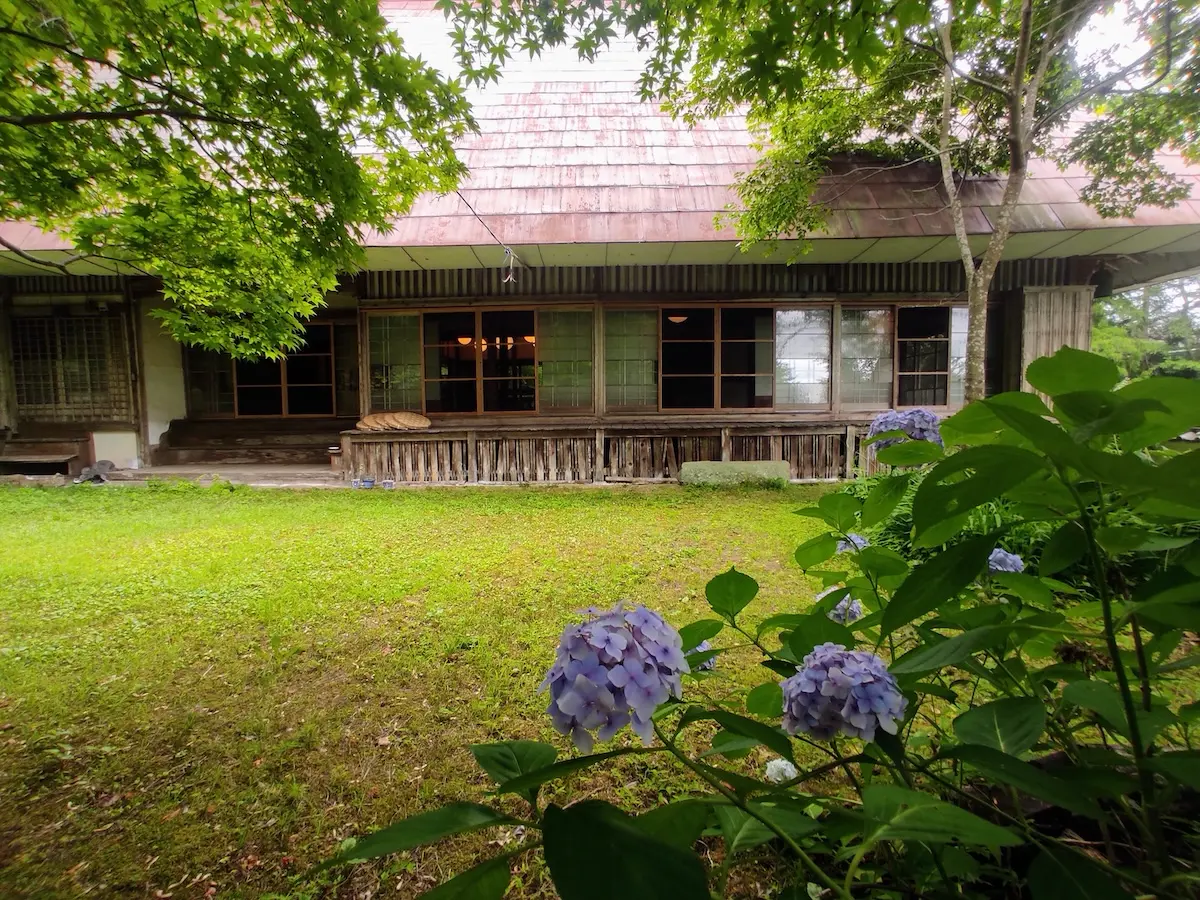
Setsugetsufuka Fukuchi-in (雪月風花 福智院) is a restored temple building that has been thoughtfully transformed into a cafe while preserving its traditional architecture. The building was part of one of Imakoyasan’s original 12 sub-temples, and is only a few steps from where Kukai is said to have had his divine encounter. Sliding doors open onto serene views of the surrounding garden, allowing guests to sit quietly and take in views enjoyed here for many generations.
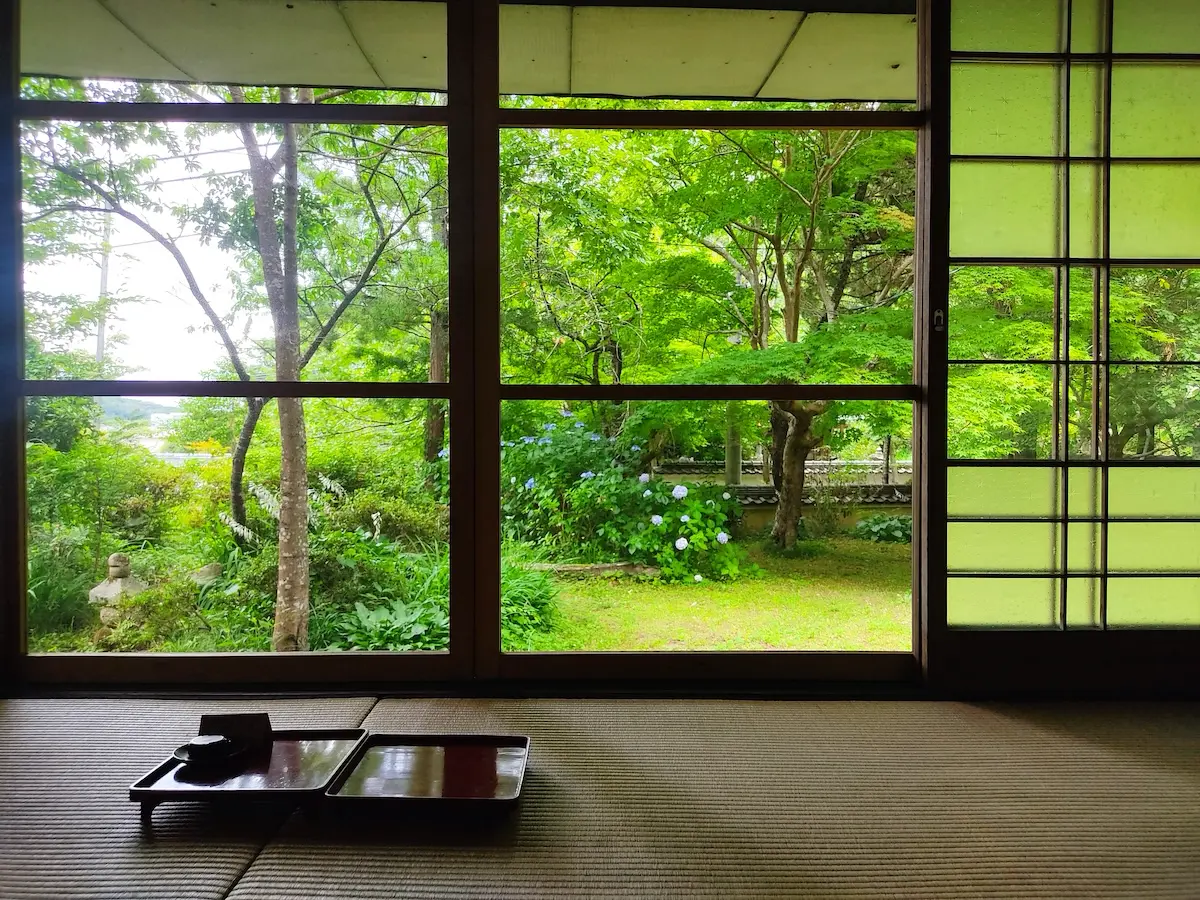
Setsugetsufuka translates as “snow, moon, wind, and flowers,” a poetic phrase that evokes the beauty of nature across the seasons. It is a name that perfectly reflects the spirit of the place.
Imakoyasan is one of the region’s most beautiful autumn foliage spots. In late November, the temple grounds and surrounding hillsides glow with brilliant red and gold maple leaves, with the reflections in the temple’s pond especially stunning. Spring brings delicate cherry blossoms, while the quiet green of summer and the crisp air of winter, each echoing the seasonal imagery of Setsugetsufuka.
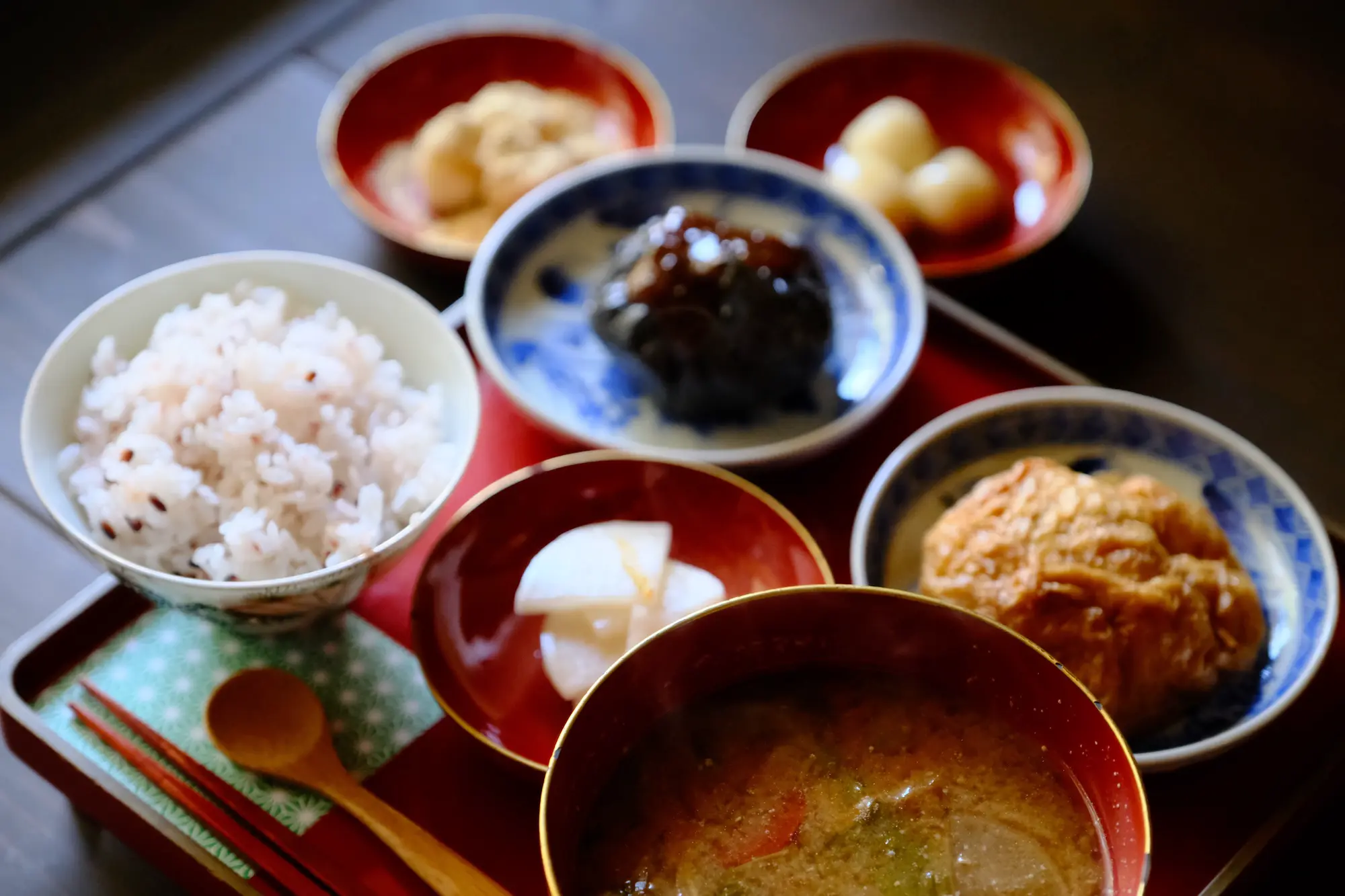
Sera is an exceptionally rich agricultural region that provides more than enough rice, vegetables, and fruits to fill local pantries, and the Setsugetsufuka Fukuchi-in’s owner, Isuzu Yoshimune, is proud to use predominantly local produce in her seasonal menus. Locally known for her delicious desserts and artisanal teas, Yoshimune-san also serves hearty Buddhist Shojin lunches, which make Setsugetsufuka Fukuchi-in a great place for vegans and vegetarians looking for an excursion from Hiroshima.
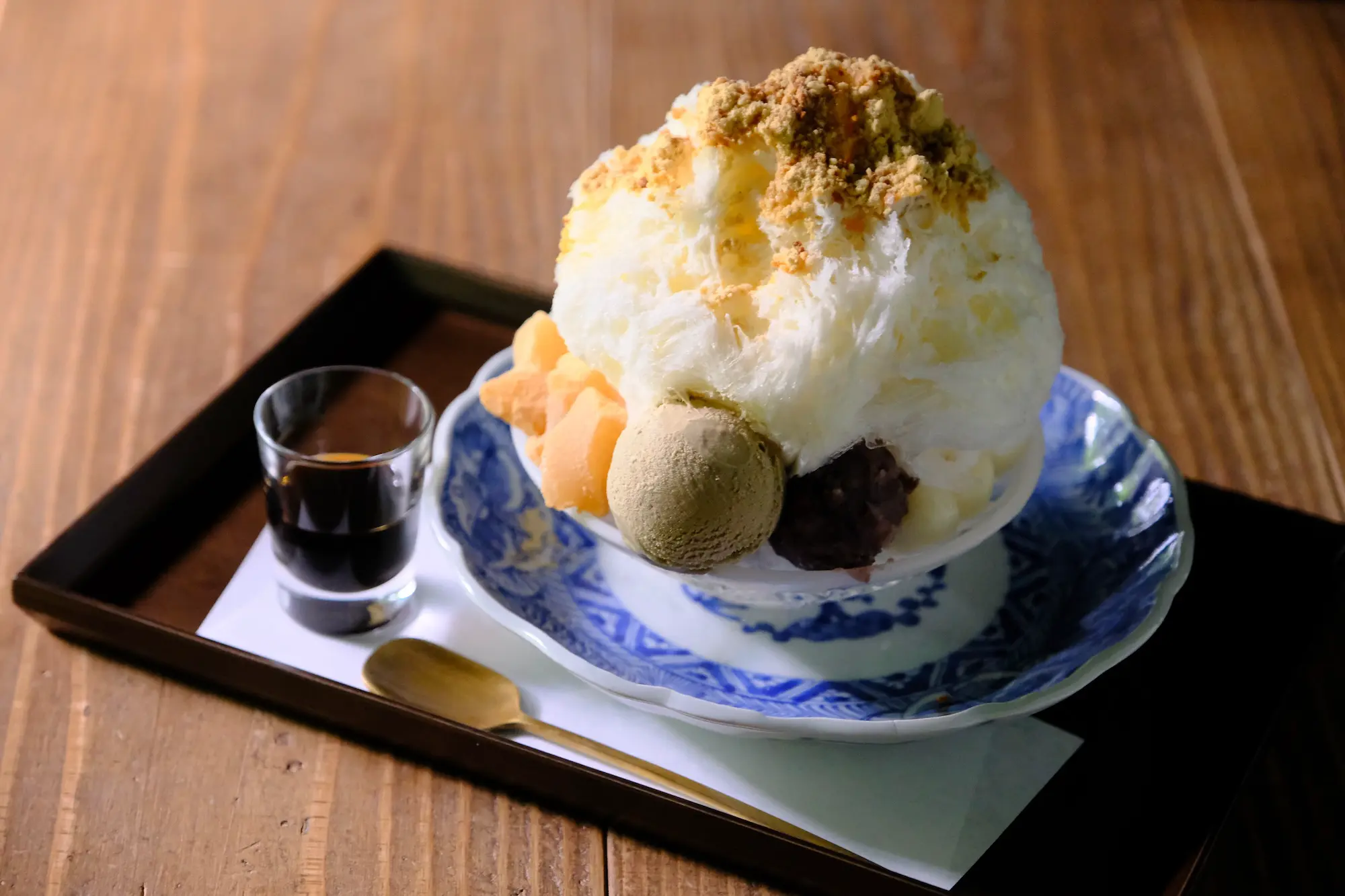
For many, however, the star of the menu is their amazing kaki-goori shaved ice made with natural syrups. Available during the warmer months of the year, many drive out to Sera, especially to try Isuzu’s take on the traditional summer favorite.
Exclusive morning tour of Setsugetsufuka Fukuchi-in and Imakoya-san
While all are welcome to drop by Setsugetsufuka Fukuchi-in during business hours, Yoshimume-san has teamed up with GetHiroshima co-founder and sustainability-focused tour guide Joy Jarman-Walsh to provide a chance to experience the charm of Imakoya-san.
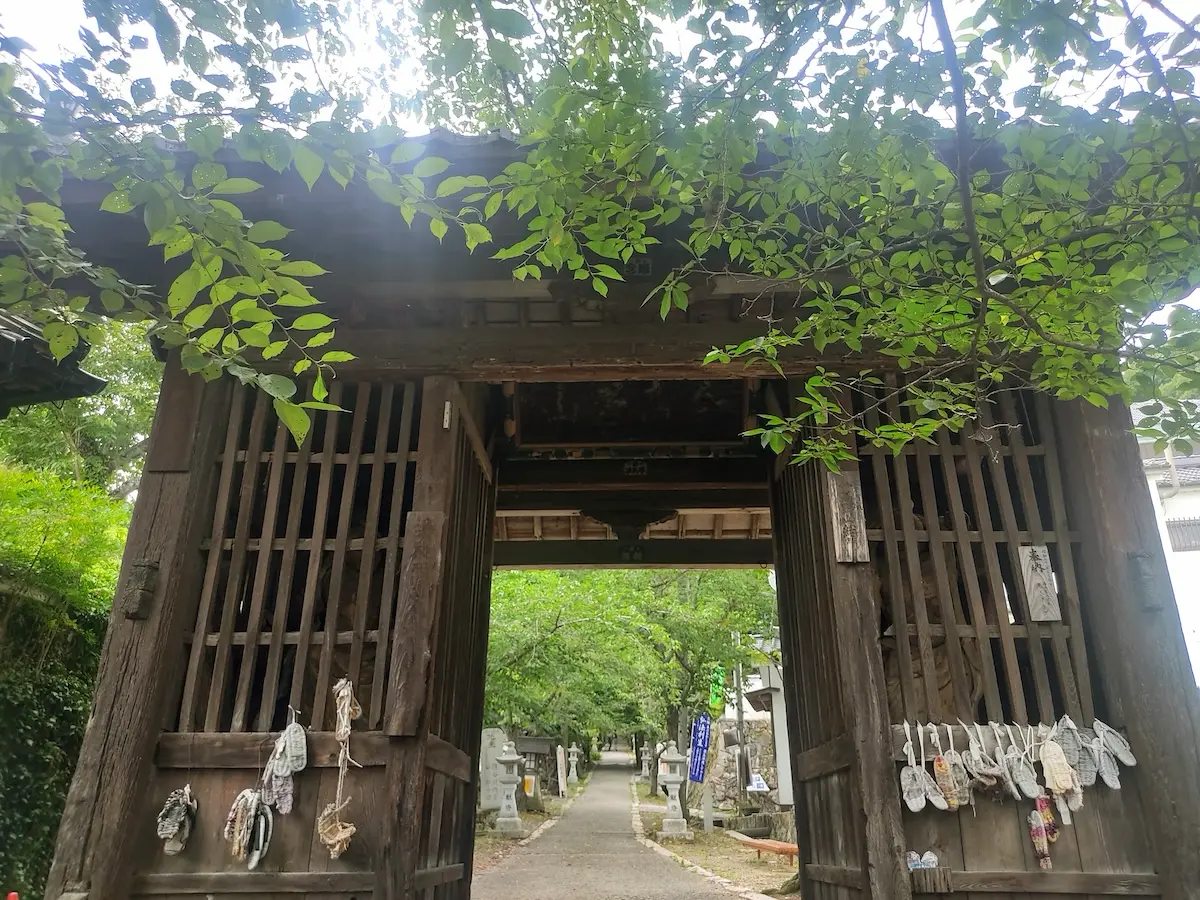
・Enter the sacred precincts of Imakoyasan via the historic temple gate with its fearsome Nio guardian statues.
・Meet Isuzu Yoshimune and learn about her connections with the local area, the renovation of Setsugetsufuka Fukuchiin, and her passion for sustainable revitalization of Imakoysan.
・Take a walk up to Ryuge-ji and learn about the legends associated with it and its hidden treasures.
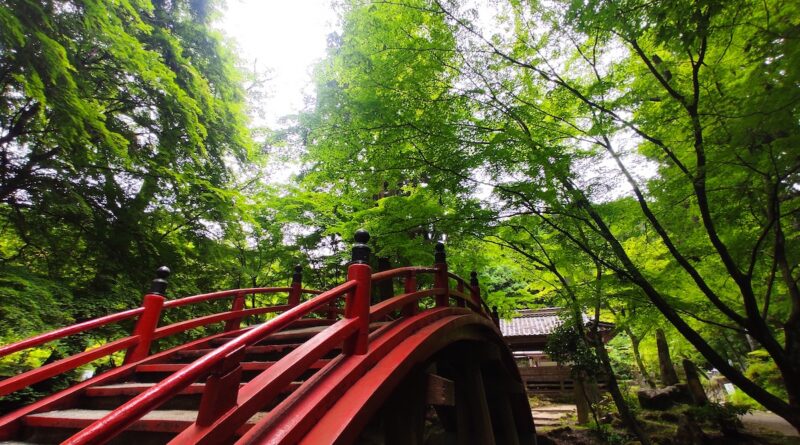
・Appreciate and take souvenir photos at the vermillion bridge that spans the temple pond.
・Return to Setsugetsufuka Fukuchi-in and enjoy a delicious Buddhist Shojin Lunch (suitable for vegans) and artisanal tea.
・After lunch, relax inside, enjoy the garden, or explore the local neighborhood with your guide.
Tour prices
Bus from Hiroshima to Imakoyasan: 2,300 yen each way (please pay as you get off the bus)
Tour guide: 50,000 yen
Setsugetsufuka Fukuchi-in: tea, lunch, & building and garden tours charged separately.
Please send inquiries by email to inboundambassador @ gmail dot com
How to get to Imakoyasan
You can reach Imakoyasan on the Peace Liner highway bus that departs from Hiroshima Bus Center in approximately 90 minutes.
If taking the tour, it is recommended to take the 8 am bus from Hiroshima Bus Center, arriving at Chugoku Bus Kozan Eigyousho stop at 9:29 am. Your guide will accompany you on the journey, so you don’t need to worry about missing your stop! The return bus departs at 3:04 pm and arrives back in Hiroshima at 4:33 pm.