The Company: Four Generations of Bunkodo Brushmakers of Kumano
Ask for directions to “the company” in Kumano, and older residents will point you straight to Bunkodo. It adopted the name kaisha-san, “the company”, when the brushmaking business became the first to formally incorporate in 1920, and it has stuck for over a century.
Everyone in town still calls us ‘the company.’
— Yasuko Mimura, 4th generation president of Bunkodo
Kumano’s status as Japan’s brush capital is well established: some 80% of the country’s calligraphy brushes and roughly 90% of its makeup brushes are made here, a dominance that grew out of farmers who traveled to Nara and Wakayama for winter work during the samurai era, bringing brushes home to sell, and eventually learning to make their own.
Bunkodo’s entrepreneurial founder took advantage of the increased demand for calligraphy brushes spurred by the introduction of universal education and laid the foundations for a family business that has continued the craft across four generations – through war, dramatic social and economic changes, and a shrinking pool of people who can still make calligraphy brushes from start to finish.
From Kumano to Hawai’i and back
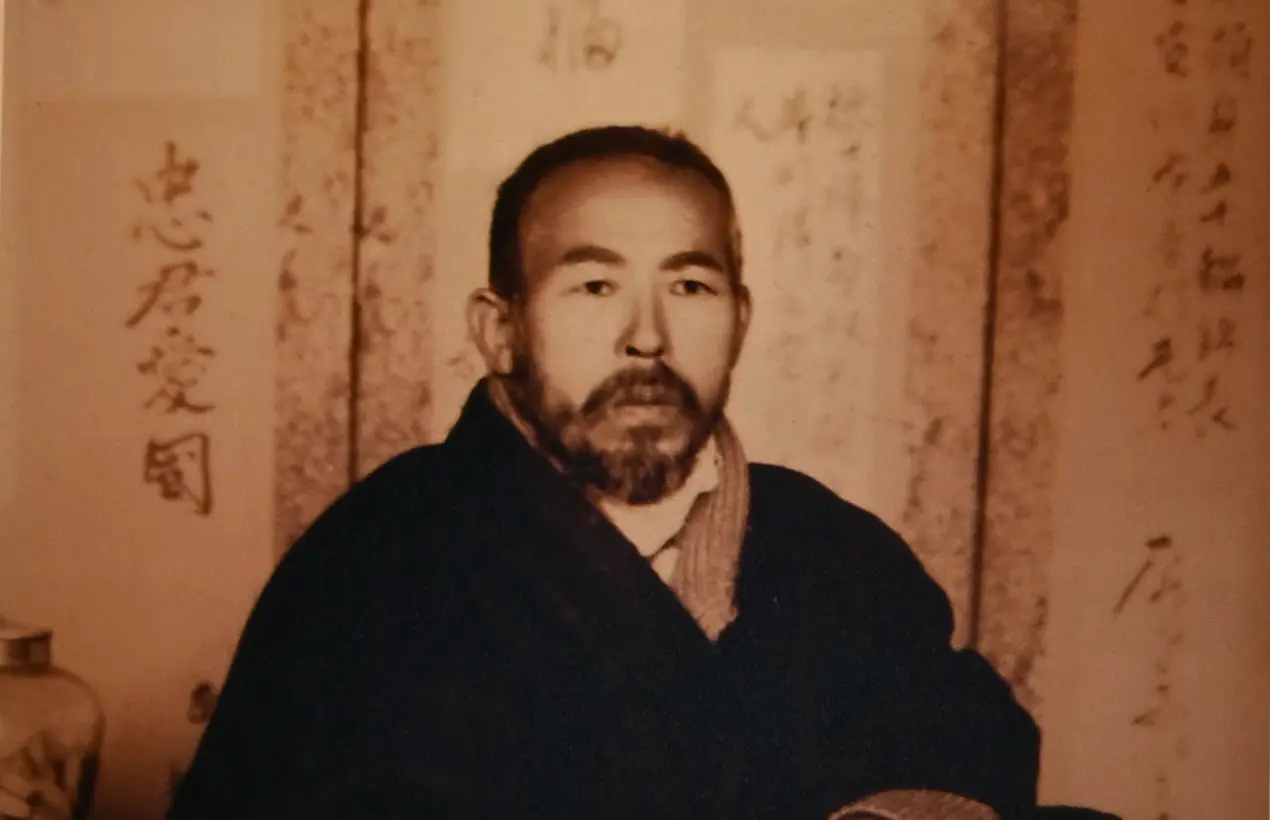
Yasuko Mimura, the 4th generation head of Bunkodo, points to a photograph of her great-grandfather, Kyutaro Mimura, on display in the showroom at the company’s head office, which stands next to their factory, across the narrow street from the family home.
Kyutaro Mimura was one of many from western Japan who traveled to Hawaii in search of opportunity at the end of the 19th century. According to Yasuko, he ran a horse-drawn carriage taxi service and returned to Kumano, where he used his savings to start a brush-making business in 1907.
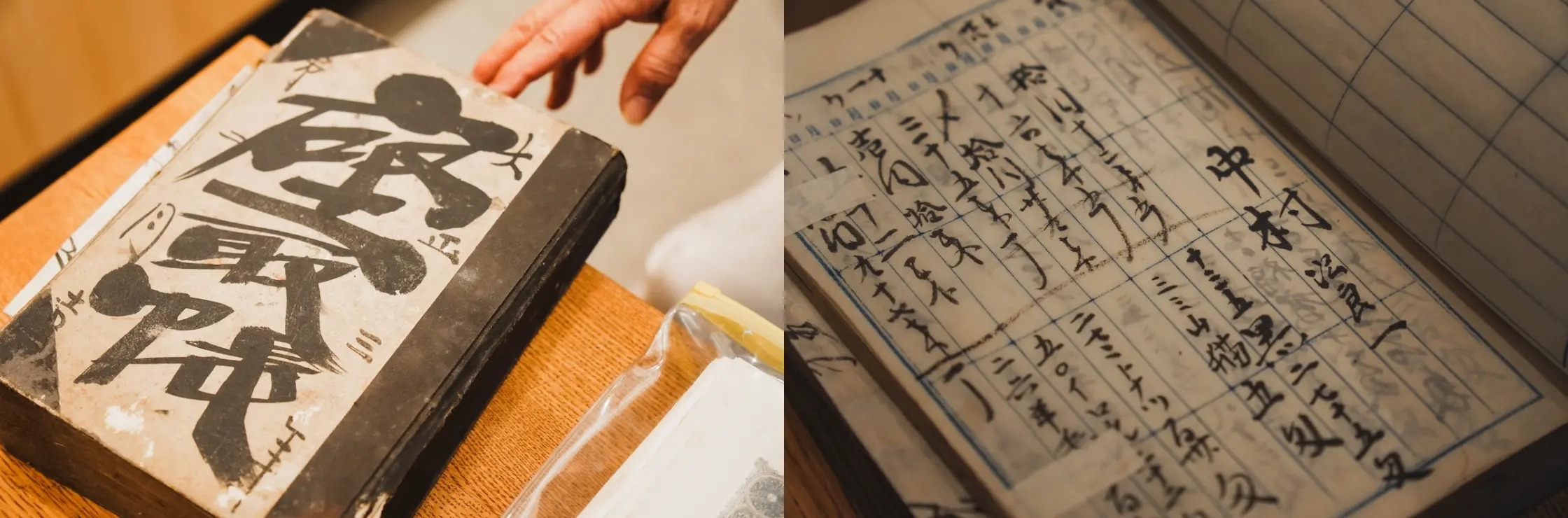
As she shows us ornate stock certificates and delicately turns the pages of a recently discovered, beautifully penned ledger, Yasuko explains how Kyutaro rationalized the scattered piecework approach to manufacture and created a formal company, the first in the town, in 1920.
After a hiatus during the Second World War, the business restarted around 1947. For decades after that, though, most of its brushes still weren’t made under one roof.
Piecework to workshop

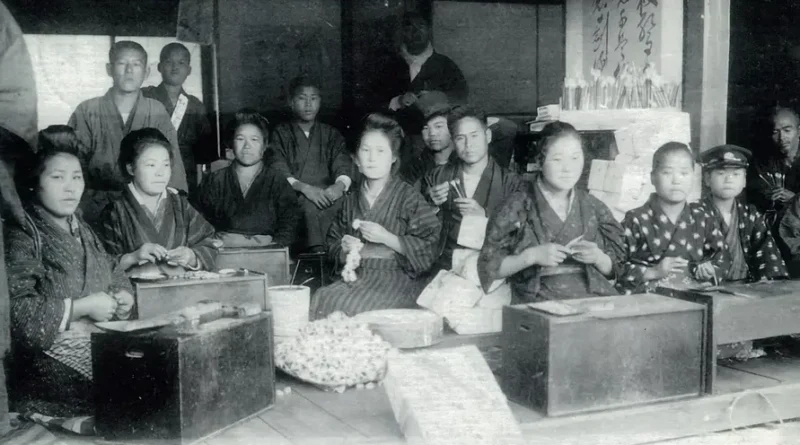
“It was all home-based work back then,” Yasuko explains. Individual craftspeople — overwhelmingly women — picked up bundles of hair, worked on brushes between household duties, and brought finished pieces back to be paid by the piece. Only around 40 years ago did Bunkodo bring its workers together in a shared workshop.
Another old photo, which appears to show Yasuko’s grandfather and is thought to date from before the Second World War, shows workers of all generations, dressed in kimono, sitting on cushions at their workstations.
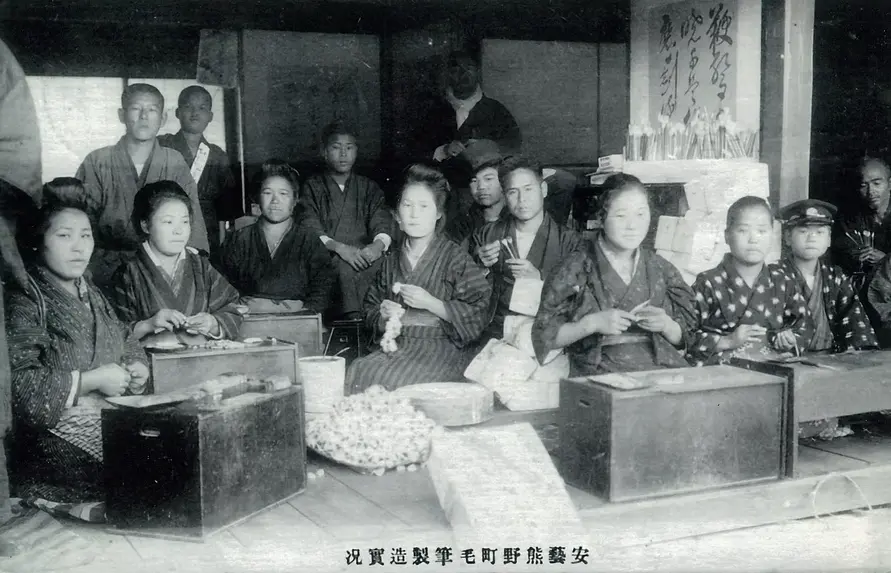
Yasuko says that at one time about a hundred workshops like theirs operated in Kumano. She remembers that during her youth, women across her neighborhood would collect hair to work on at home, supplementing the income earned by male householders. You’d come in through the entrance and see the workspace immediately to the right, in a south-facing room that provided the best light.
The craft of brushmaking
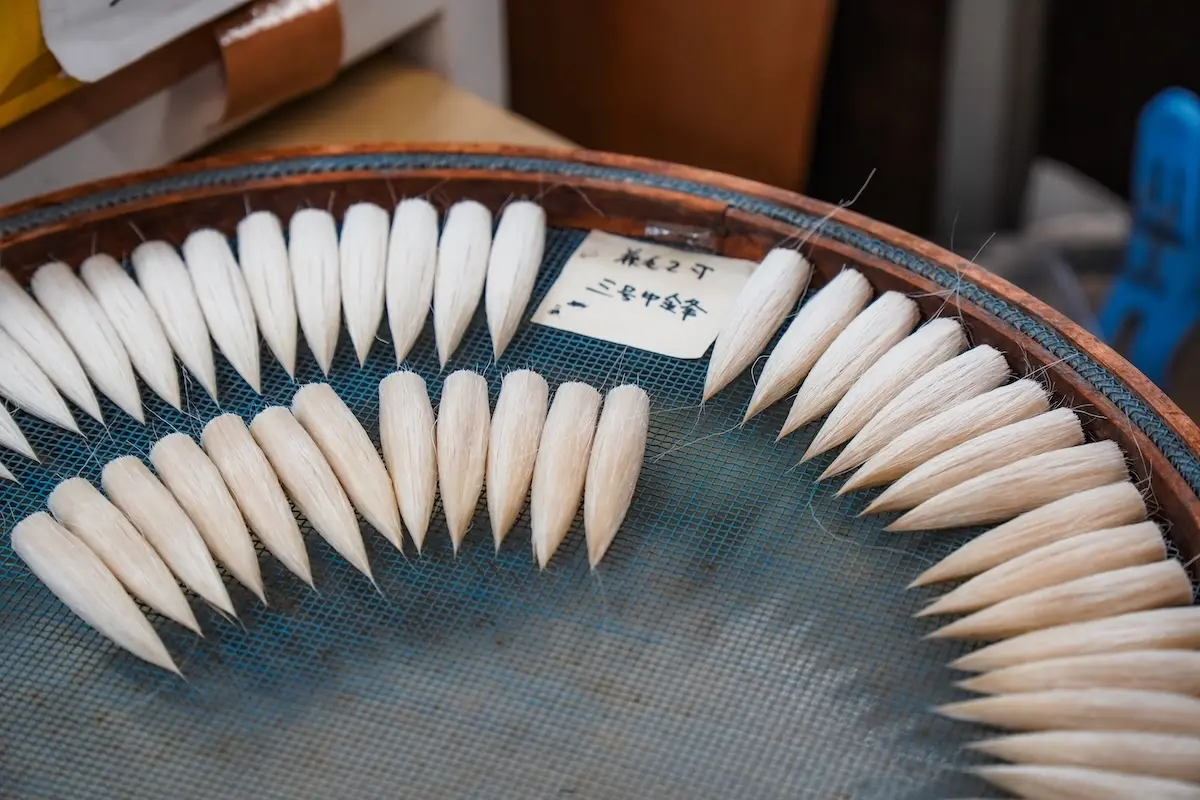
We move to Bunkodo’s workshop. They no longer sit on the floor, but at desks, and, on this exceptionally hot August afternoon, are cooled by air conditioning. The work and the tools, however, have changed little from those in the pre-war photograph. Women are still the backbone of the company. Only one man is involved in the manufacturing process, and the team of around eight women ranges from a veteran with over 50 years of experience to a relative newcomer. Yasuko’s two younger sisters, one of whom is the company’s resident Dento Kogeishi, a certified master craftsman, are also part of the team.
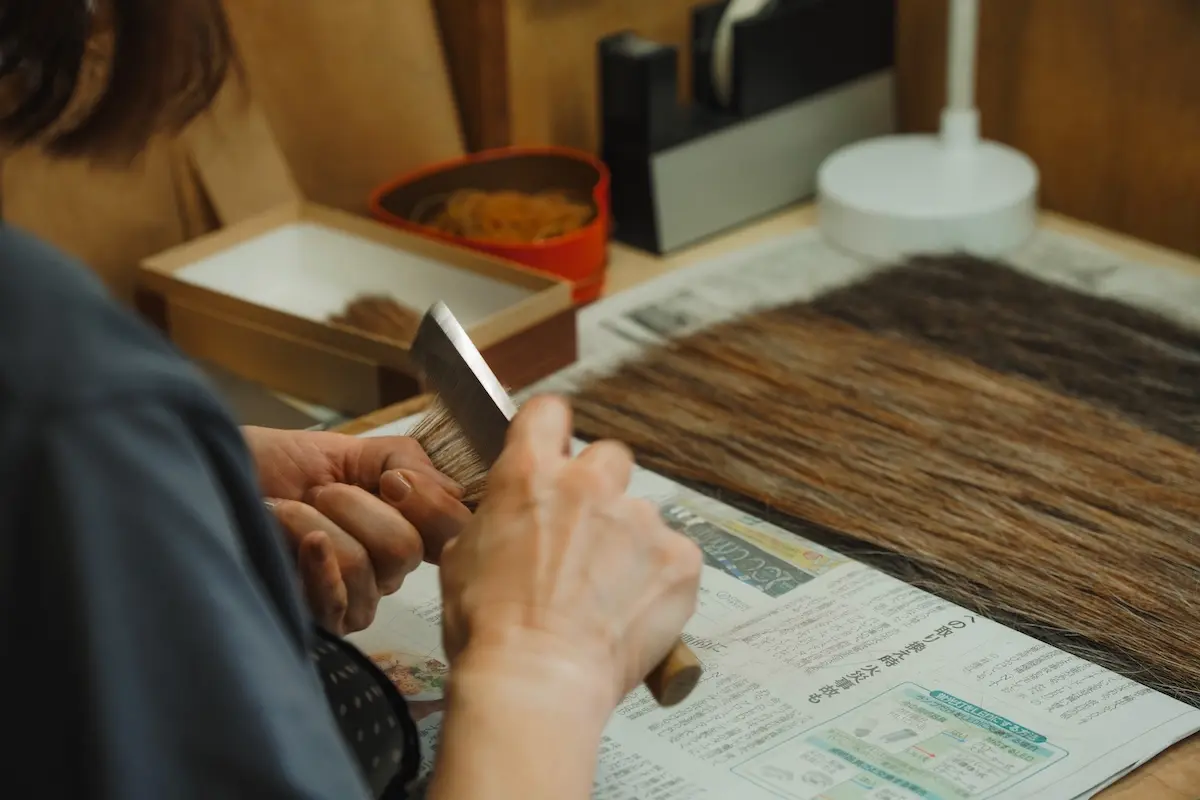
Kumano’s brushmakers use a technique called bon-maze — dry-blending hair before it’s cut — a faster method than the wet-layering neri-maze used in the neighboring brush town of Kawajiri, developed a century ago to meet demand once calligraphy became mandatory in schools.
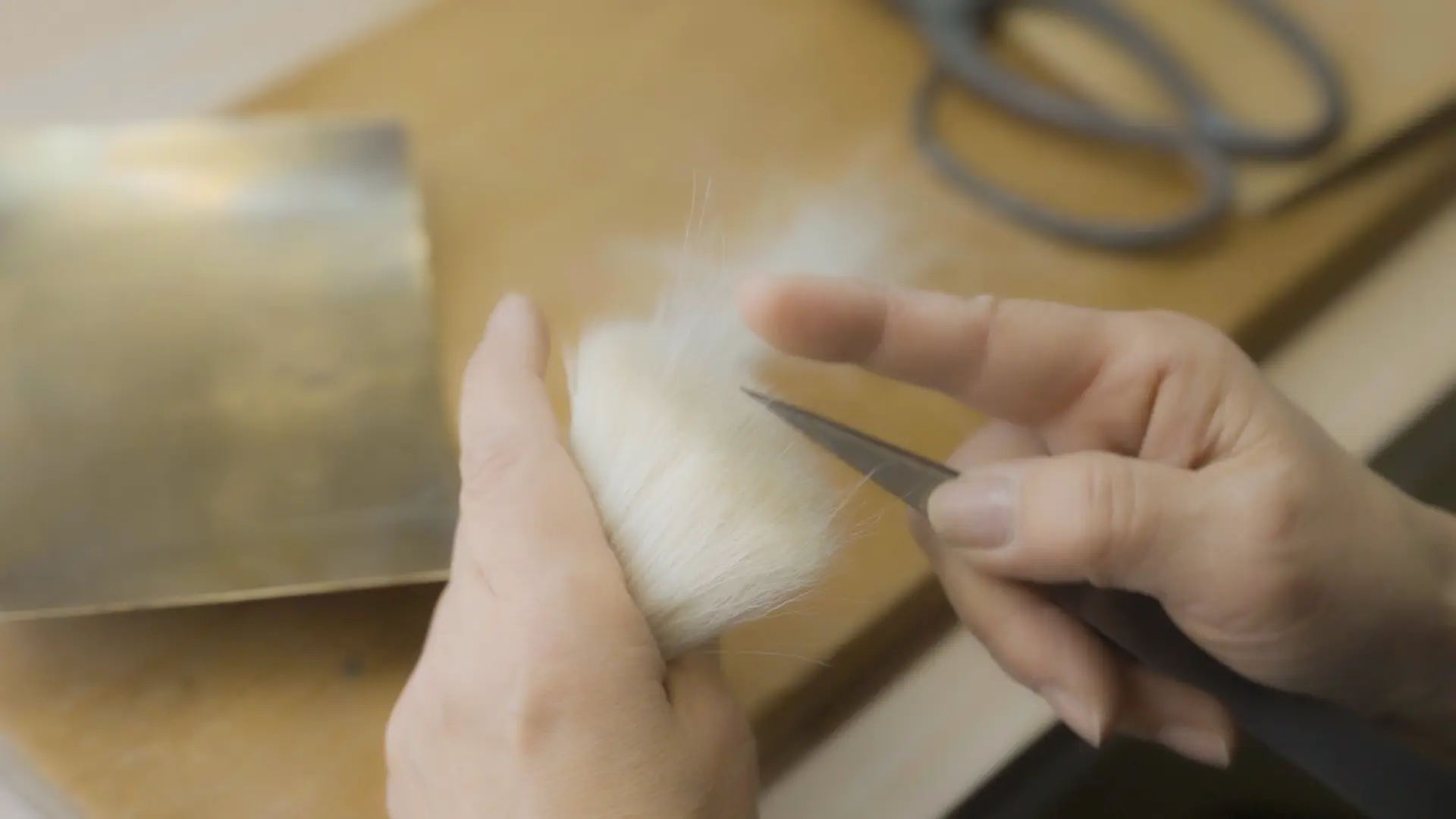
Despite the appellation “mass production,” most tasks are still performed by hand. Hair is graded by sight, degreased with ash from burnt rice husks, heat-pressed straight, and cut to lengths measured in old units using wooden templates handed down for generations. The brush head is bound not with glue but with heat-sealed thread, which Shinohara-san deftly demonstrates.
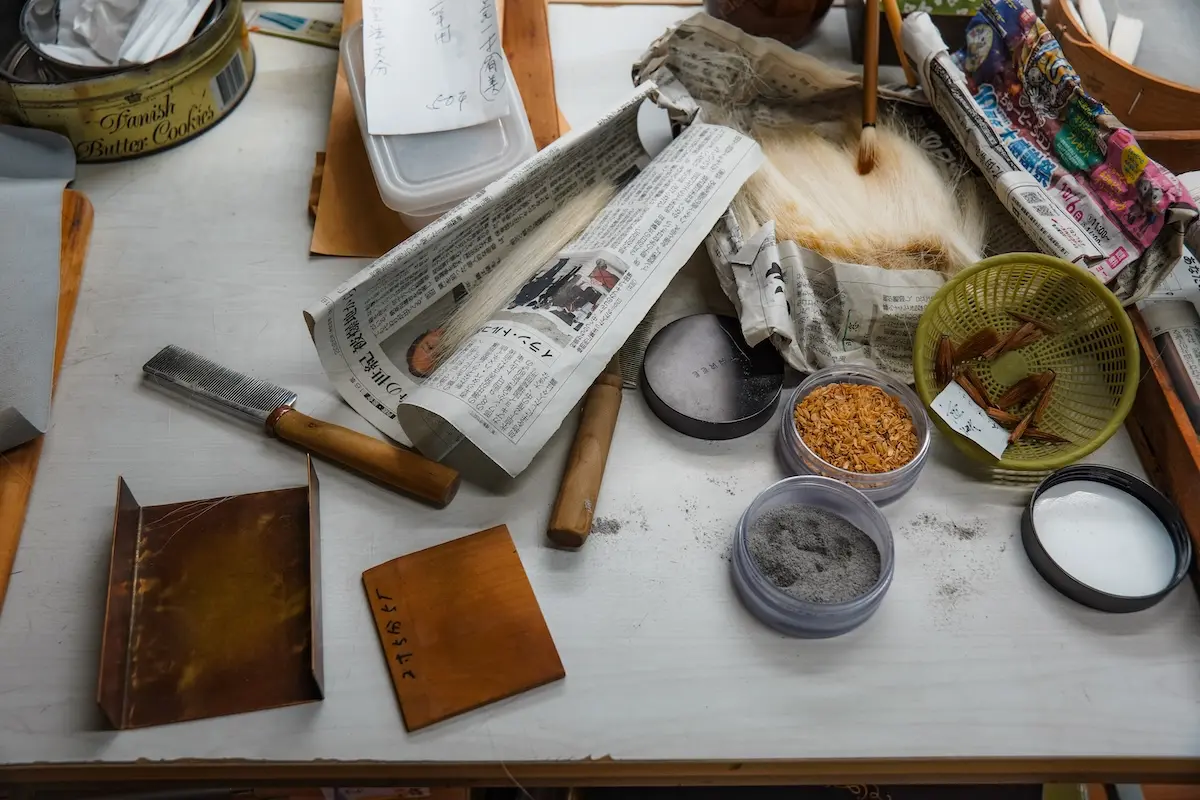
Rice-husk ash is becoming scarce: only two people locally still make it, both nearing 80, with no one training to take over. Bunkodo has tried substitutes — a chemical powder that failed outright and, more successfully, incense ash sold for Buddhist altars, kept in reserve for when the real thing runs out.
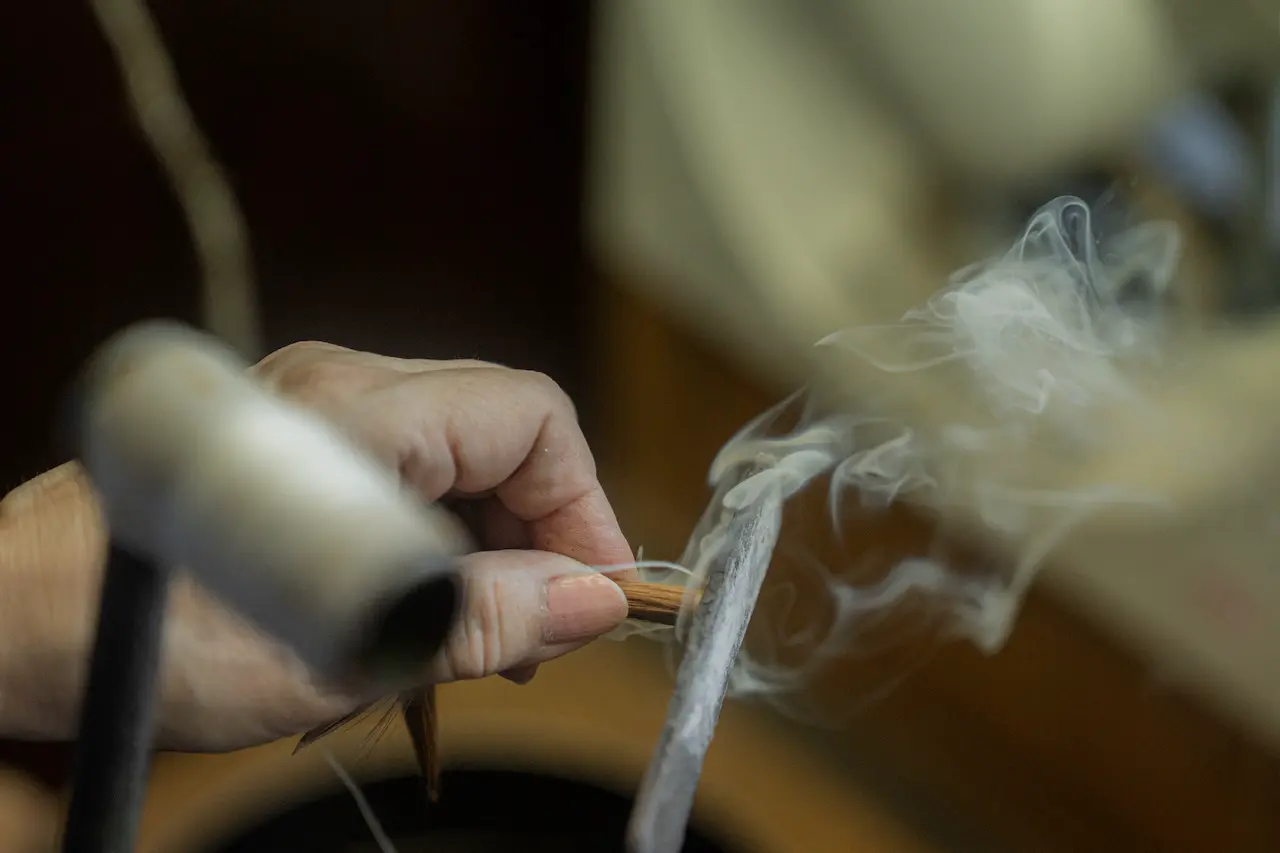
Only the final mounting onto a handle uses adhesive; the head itself is finished with funori, a traditional seaweed glue that only binder-certified traditional-craft brushes are permitted to use. One worker uses strands of human hair, prized for how smoothly it slides, to remove excess glue and shape the head. Her methodical rhythm is mesmerizing to watch.
Mastering the craft and becoming a master craftsperson
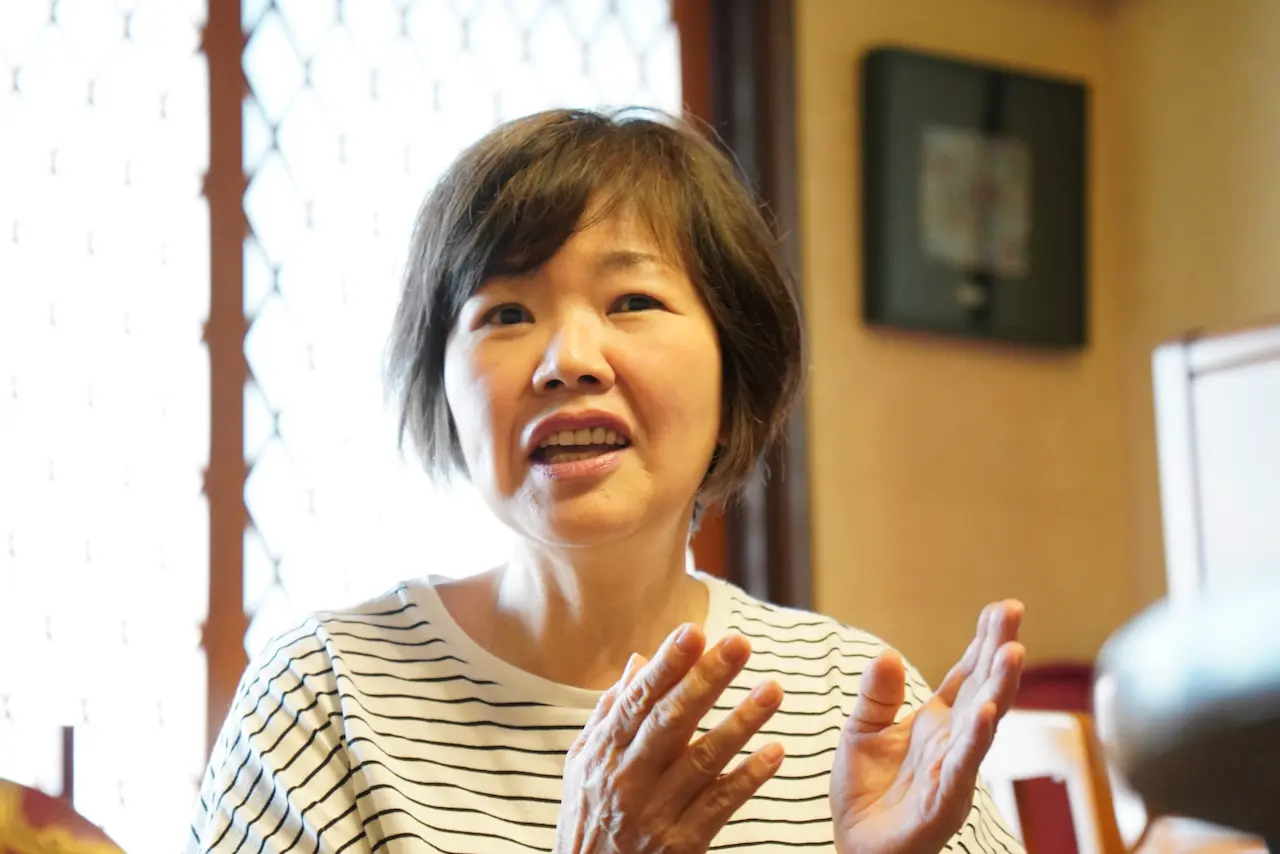
“You are our last chance,” they said.
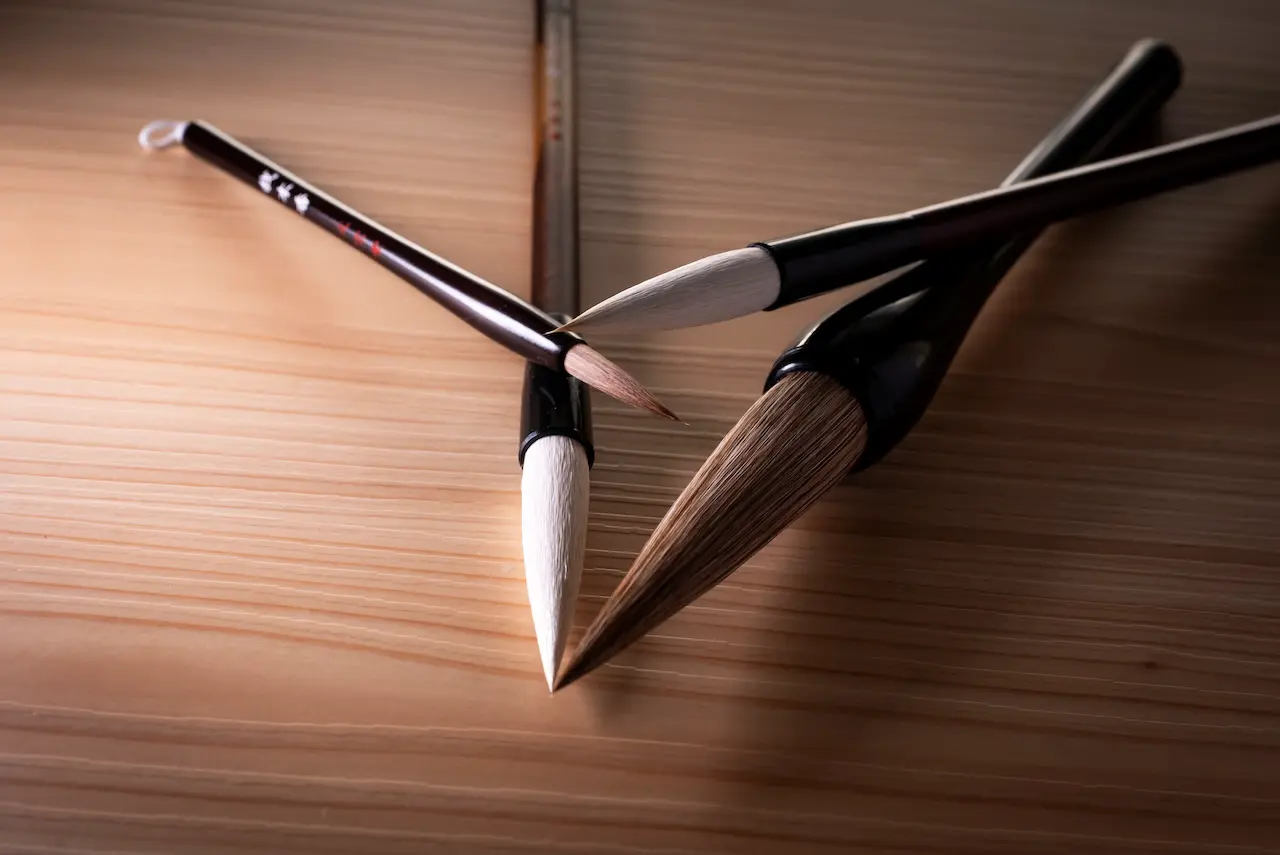
Making a traditional Kumano calligraphy brush involves over 70 meticulous steps, and few people can handle every one of them; from this ever-shrinking pool of brushmakers come certified traditional craftspeople, or Dento Kogeishi. Yasuko’s sister, Shinohara-san, earned that certification this past February, after 23 years of training under local masters.
Today, of roughly a dozen certified Dento Kogeishi craftspeople in the Kumano area, she says only about five are still able to travel to lead school workshops, an important part of the role, and during her time, she had seen the pool of teachers shrink to just two, both now in their eighties.
The scale of what Shinohara-san achieved is hard to convey to readers unfamiliar with Japan’s traditional craft certification system. Candidates cannot even sit the Dento Kogeishi exam until they have gained at least twelve years of hands-on manufacturing experience in the craft and must be able to perform all of the roughly 70 steps of brush production single-handedly, rather than specializing in just one or two stages as most brushmakers do. Only then comes a practical skills test, a written knowledge exam, and an interview. Even after certification, craftspeople are reviewed every five years to confirm they still meet the standard. Nationally, around 3,200 people hold the Dento Kogeishi title, spread across 243 designated traditional craft categories — and in Kumano, home to one of Japan’s largest brushmaking industries, that number has narrowed to about a dozen.
For overseas readers, the nearest comparison is probably France’s Meilleur Ouvrier de France, or “Best Craftsman of France” — a fiercely competitive exam held every three to four years across more than 200 trades, in which the title is awarded only to those who clear an absolute standard, meaning some years produce no winner at all in a given category. Germany’s Meisterbrief, the master craftsman’s certificate required to run a business in dozens of regulated trades, is a closer structural match: both combine years of prior training with practical, written and (in Germany’s case) business exams. But Dento Kogeishi asks for something neither fully replicates: a decade or more of prerequisite service in one craft, in one small production town, before a candidate is even permitted to apply — a filter that, in Kumano’s case, has left a body of certified brushmakers you could seat around a single table.
Shinohara says she never envisioned entering the family trade and came to brushmaking relatively late in life, joining the company at Yasuko’s request. She says she was always good with her hands and took to the job surprisingly well. After learning what she could from Bunkodo’s veteran brushmakers, she wanted to go deeper and joined the town’s monthly classes, where she relished absorbing each teacher’s style before they retired.
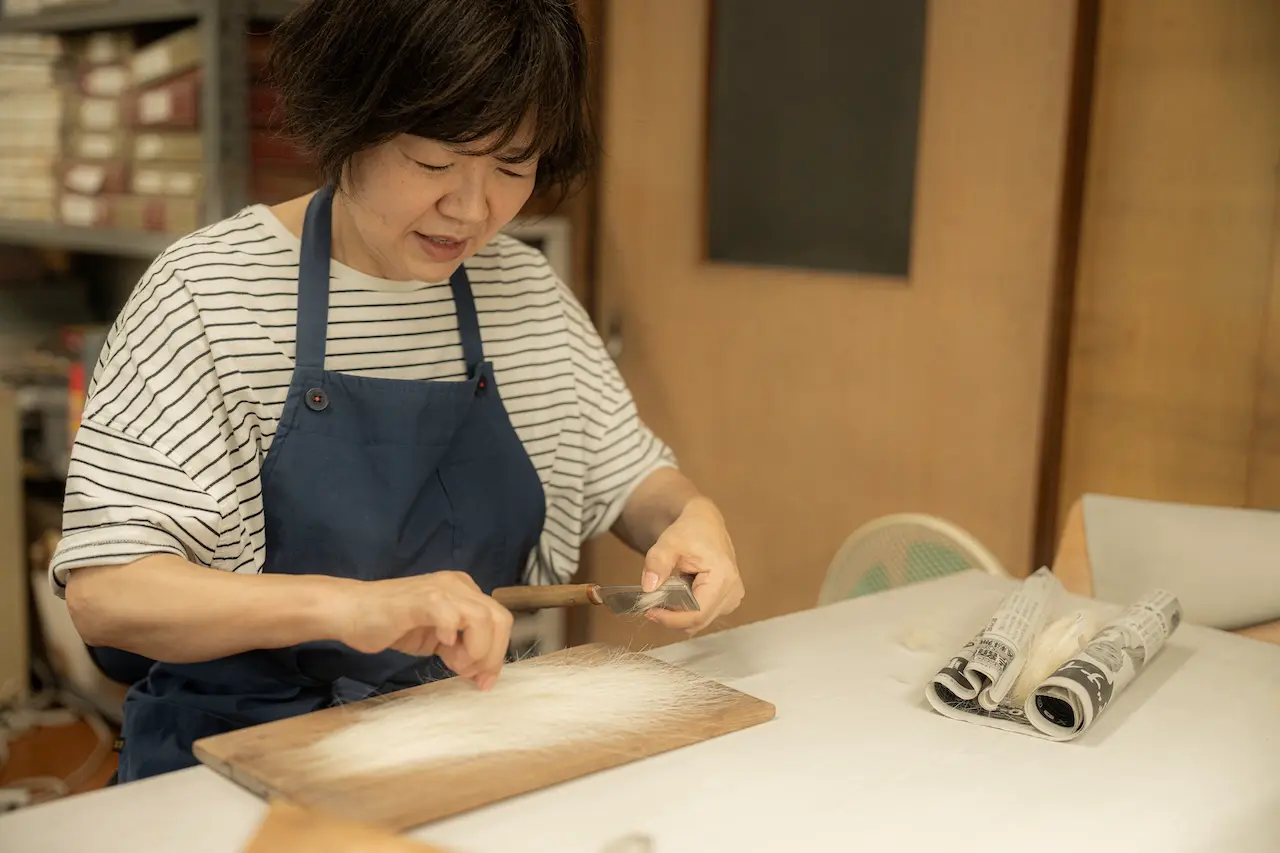
According to Shinohara, her father was initially more than a little skeptical about her ability to master brushmaking. He, however, left her a valuable legacy worth more than its weight in gold. Goat hair brushes are considered the pinnacle of the craft, and he built a stockpile of goat hair of a quality almost impossible to find today — Shinohara says it isn’t uncommon for the newspaper it’s still wrapped in to be dated around 60 years back — carefully preserved until a brushmaker capable of taming it finally emerged at Bunkodo.
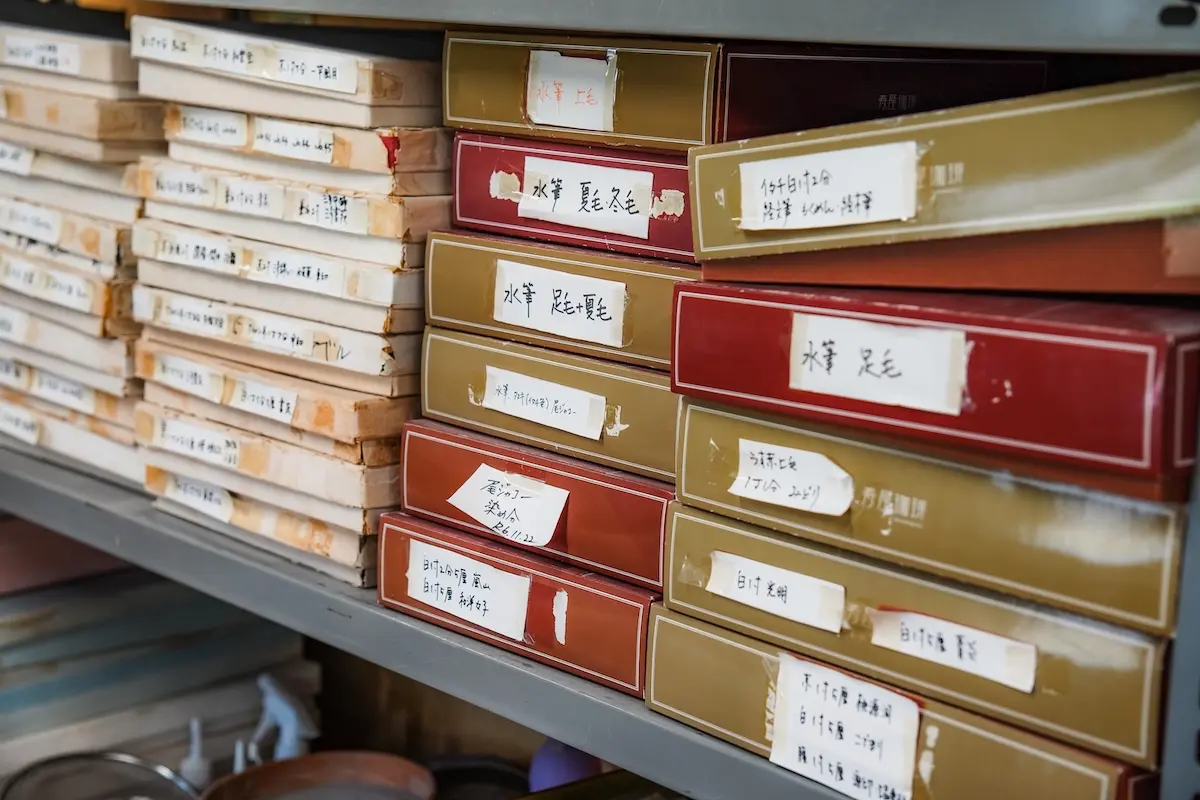
Her path wasn’t easy. Decades ago, Kumano’s first female Dento Kogeishi, Usui Shinko, faced a climate openly resistant to women holding the title — she had the experience and skill to qualify when Kumano-fude first received its national traditional craft designation in 1975, but wasn’t able to sit the certification exam until 1981, becoming the area’s first woman to hold it. Today, however, changing times and the very realization that the skills and knowledge of the remaining Dento Kogeishi will disappear with them mean that Shinohara’s dedication is not only accepted but also deeply appreciated.
Preserving traditional crafts in changing times
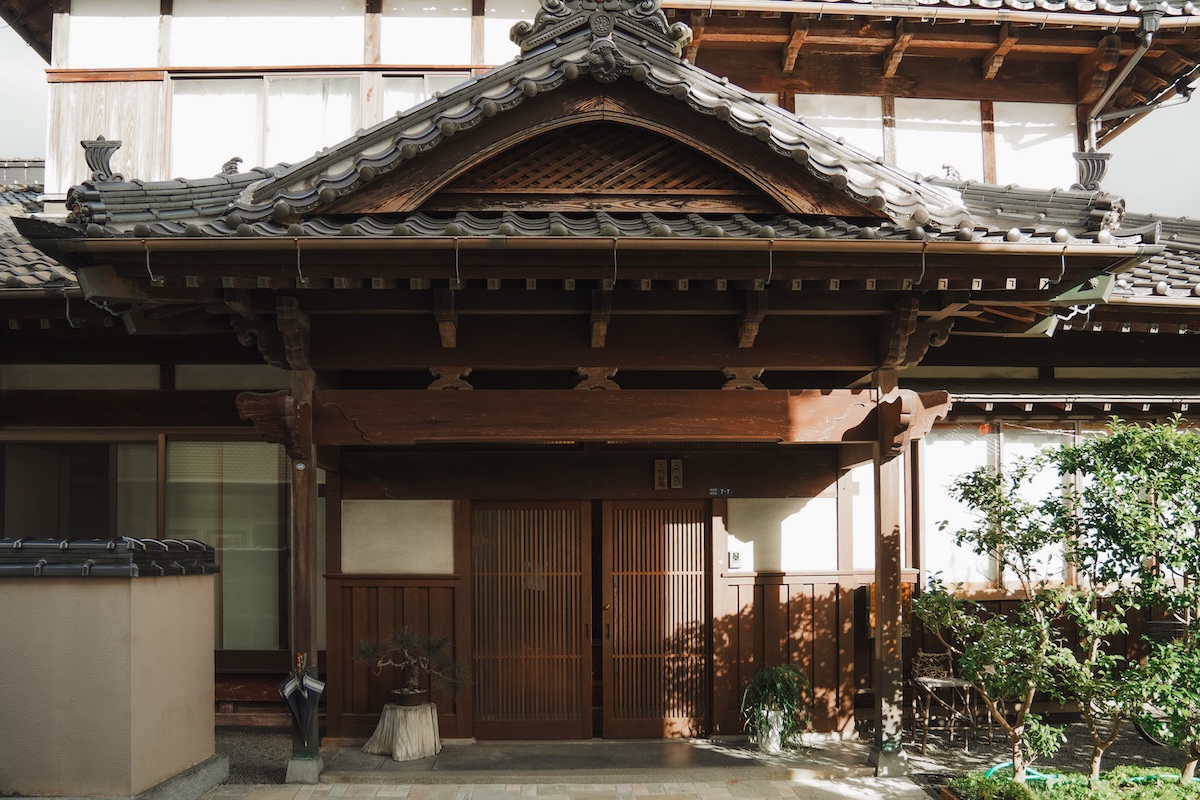
Yasuko remembers how her father would stay up through the night making brush heads to meet the seemingly never-ending demand for calligraphy brushes, and how the house would fill with boxes of brushes piled high, ready to be shipped across Japan.
Because of Japan’s falling birthrate, lower demand from schools, and competition from cheaper imports, many of Kumano’s brushmakers have switched to producing high-end makeup brushes. Bunkodo is one of only a handful of companies where calligraphy brushes remain the core of the business, relying on schools that favor high-quality Japanese-made brushes and making them to order for individual calligraphers with exacting preferences.

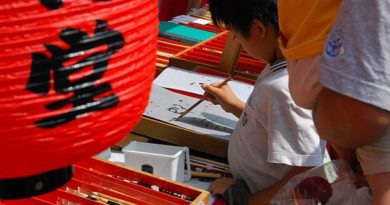
Every autumn, the Kumano celebrates its craft history at the Kumano Fude Matsuri, or Brush Festival (held annually on the Autumnal Equinox, September 23). The whole town comes out to celebrate its brushmaking history, and in addition to calligraphy-related demonstrations, retired brushes sent in from across the country are ritually honored before being disposed of. It is an important reminder that despite social and economic pressures, the brush still holds an important place in Japanese culture, one that is worth preserving.
In future articles, we’ll look at Bunkodo’s initiatives to preserve the legacy of their forefathers and the challenges they face. In the meantime, mark September 23 on your calendar and visit the folks from Bunkodo, who will be running a brush stall at the festival, along with other neighborhood brush houses.
This is the first in a three-part series on Bunkodo and the future of Kumano brushmaking.