

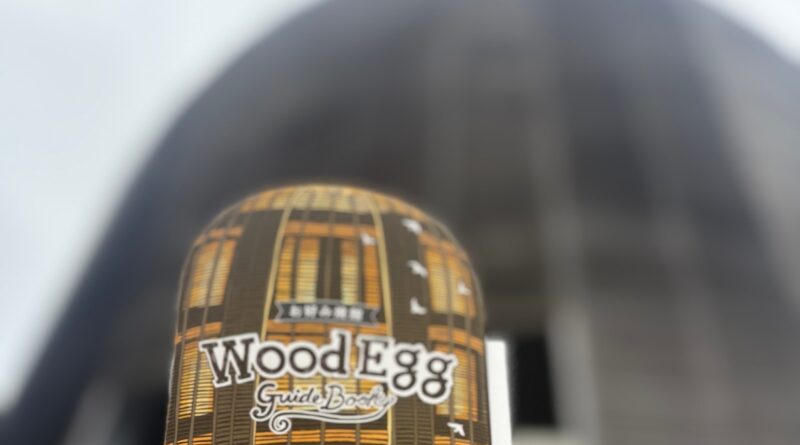
Wood Egg Okonomiyaki Hall: Monument to the “taste of peace.”
Hiroshima’s beloved soul food, okonomiyaki, is not just a savory treat; it is a symbol of resilience, community, and peace. At the Wood Egg Okonomiyaki Hall, you can explore this connection through architecture, museum exhibits, and hands-on cooking experiences.
Okonomiyaki: More than a meal
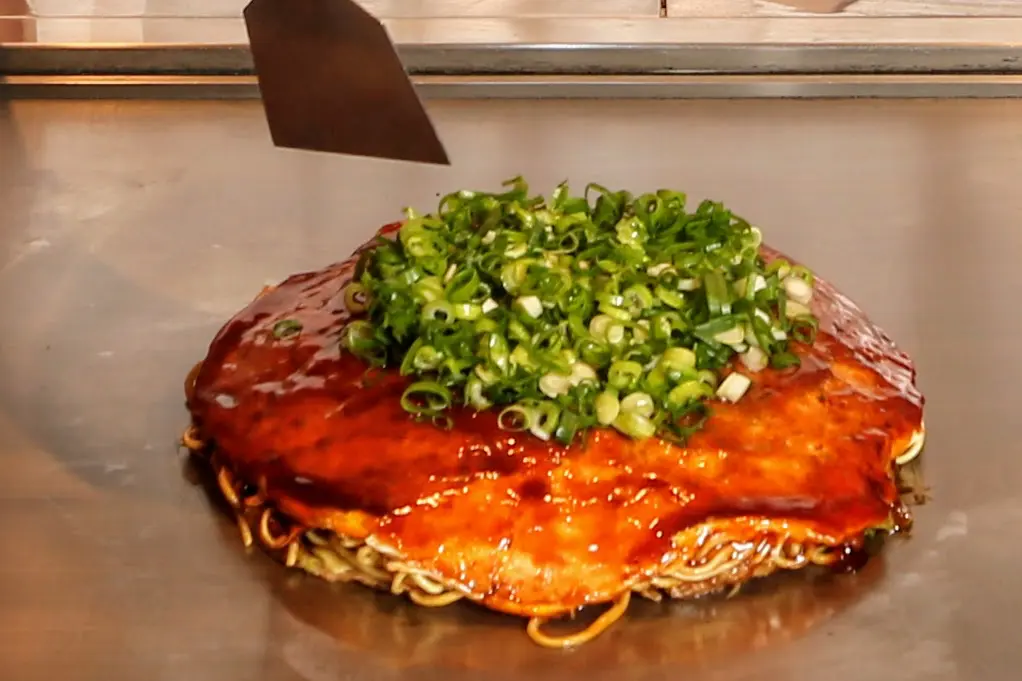
Hiroshima Okonomiyaki is not just one of Japan’s ultimate comfort foods, but a metaphor for how the city changed its fate through food. After August 1945, the city lay in ruin, food supplies were disrupted, and survivors craved continuity. Thin pancakes called issen-yoshoku had been a popular and cheap children’s treat before the war. After the war, with resources sparse, they were a way to fill stomachs and sustain hope. Over time, more layers and ingredients were added, turning a survival food into the cultural icon that is Okonomiyaki. Neighborhood okonomiyaki shops became social hubs, places where neighbors, workers, students, and strangers gathered.
In this sense, okonomiyaki is part of Hiroshima’s peace narrative, not just at memorials and museums, but also around the dining table at home or in the hundreds of restaurants found throughout the city.
The Wood Egg

Heading along the wide carriageway that slices through the light industrial landscape to the west of Hiroshima, past the LECT and Al Park retail centers, a large, brown, balloon-like structure stands among the surrounding buildings. Upon closer inspection, the entire building is encased in wooden louvres, making it an impressive sight from below.
This is the Wood Egg Okonomiyaki Hall, run by Otafuku, the producer of the most recognizable brand of sweet-savory okonomiyaki sauces, a must-addition to Hiroshima Okonomiyaki.
Otafuku Sauce built this facility on the outskirts of Hiroshima City to promote okonomiyaki culture worldwide. This enormous, balloon-like building, suddenly appearing in an area dominated by low-rise buildings, makes a striking impact. From below, the bulbous building towers above you, entirely encased in wooden louvers. It is an impressive sight.
Sustainable Architecture
The building’s distinct design is the work of locally born, award-winning architect Hiroshi Sambuichi, also responsible for the observation decks on the top of Orizuru Tower and Miyajima’s Mt. Misen, within Hiroshima, as well as participating in the creation of the Seirensho Art Museum on Inujima and Naoshima Hall on Naoshima, in the Seto Inland Sea. Sambuichi is known for his attention to environmental sustainability in both construction and function – the wooden louvres, mentioned above, adjust their angle to reflect the sun’s movement throughout the seasons.
Finding the source of Hiroshima’s favorite sauce
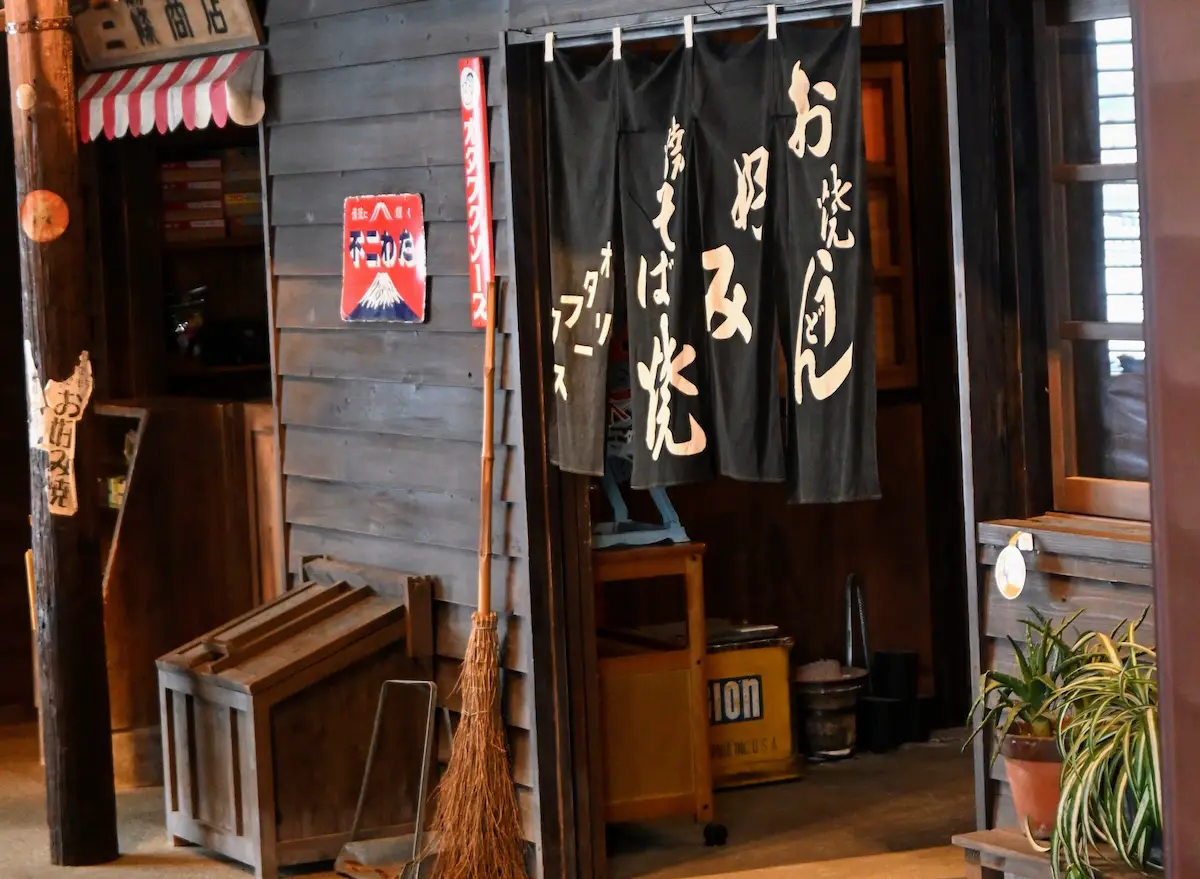
The museum on the second floor tells the story of Otafuku, from its inception in 1922, initially as a retailer of sake and soy sauce, then as a rice vinegar brewer. In 1950, it added sauce to its lineup as the A-bombed city continued to rebuild, fueled by its new favorite dish, okonomiyaki.
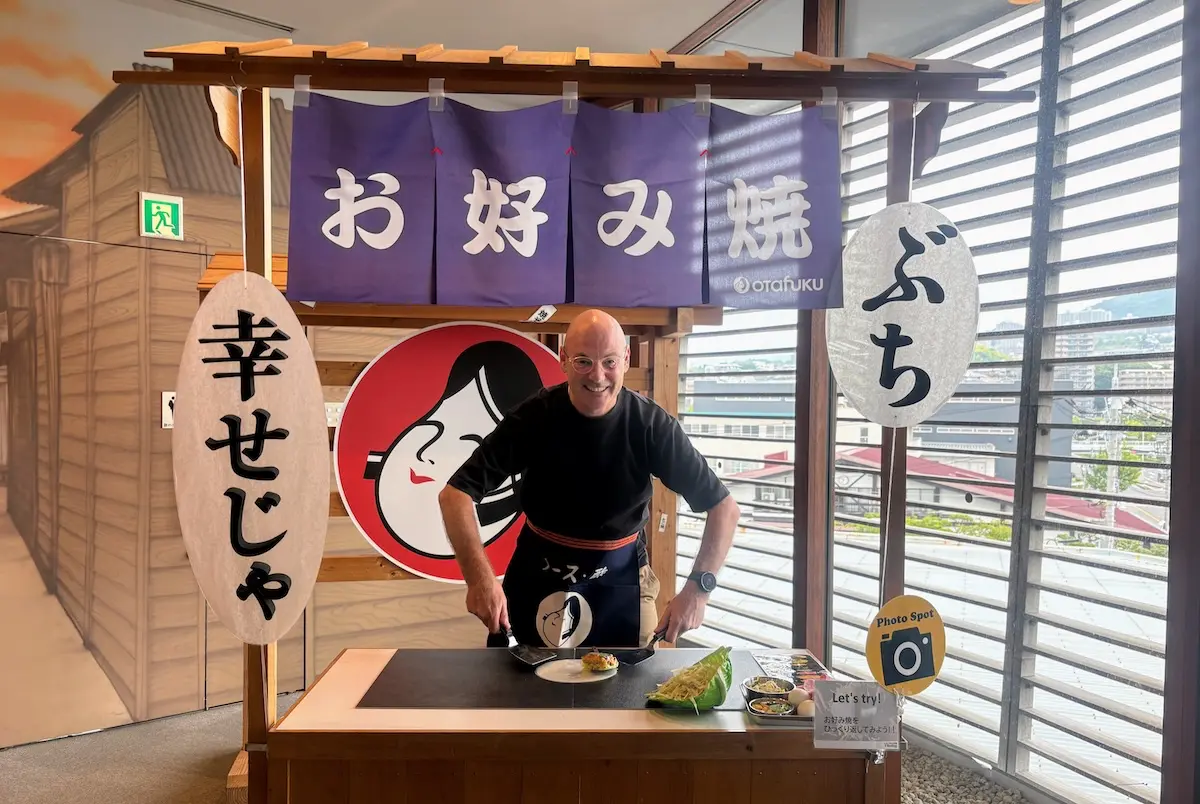
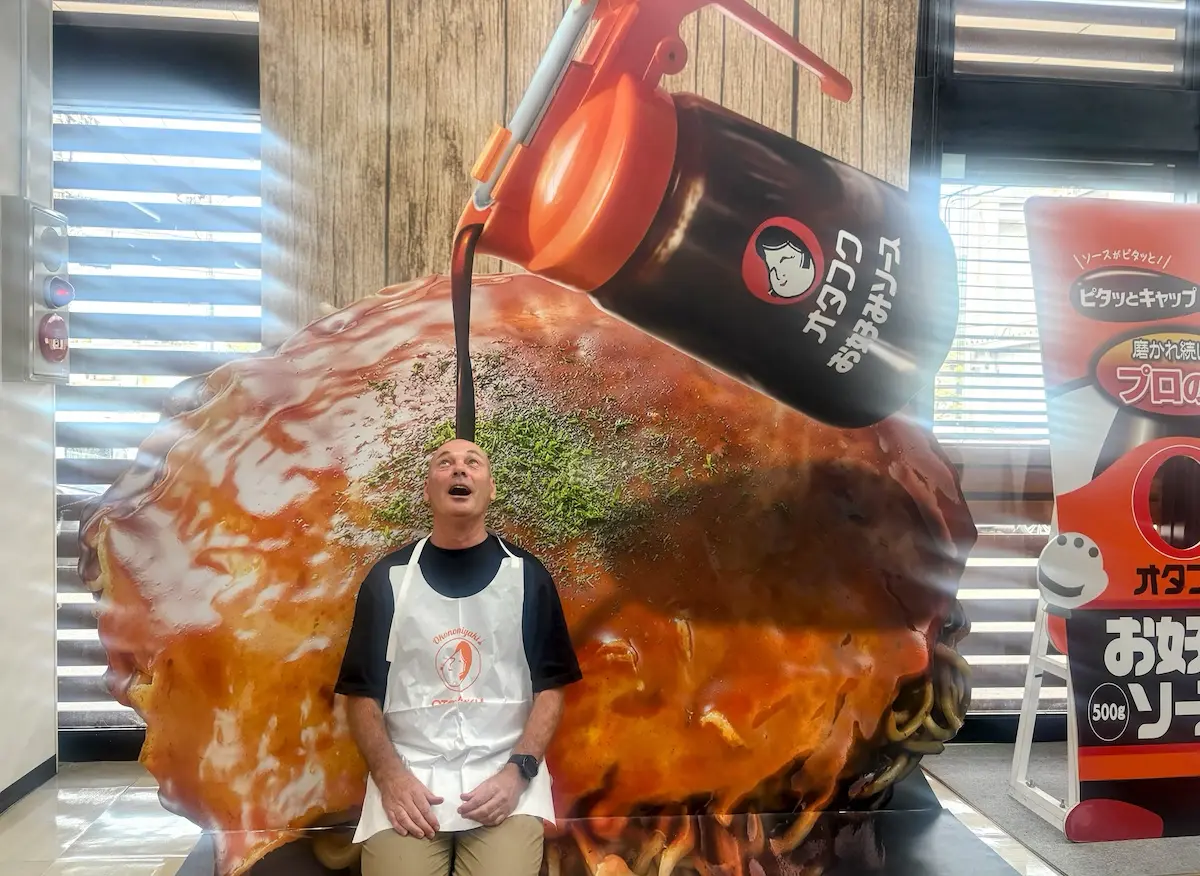
You can wander through the museum by yourself, free of charge. Most of the explanatory panels are in Japanese, but there is a fun reconstruction of the kind of old neighborhood okonomiyaki shop you would have seen all over the city in the years after the war. Photography is not permitted in here, but there are a few other places where you can take fun souvenir photos, like the one below.
If you have a good grasp of Japanese, consider joining one of the regular museum tours, which are also free.
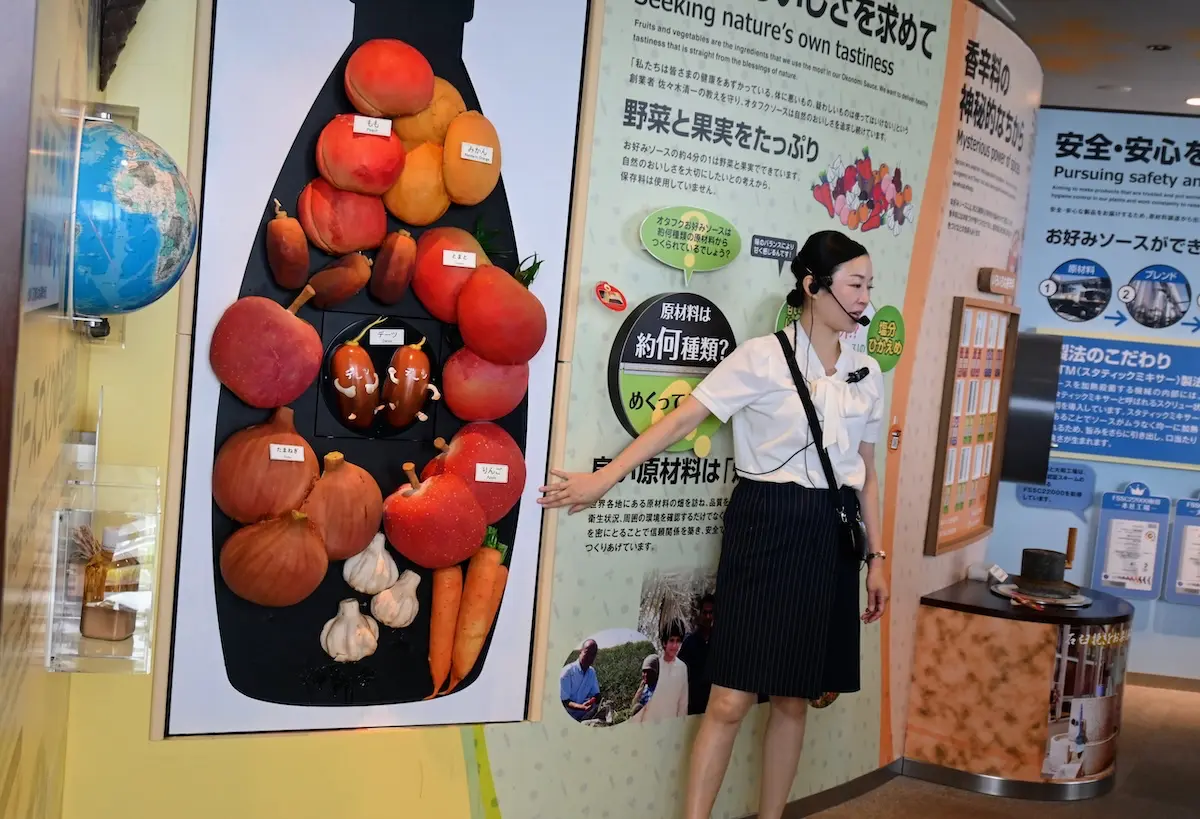
Otafuku factory tour
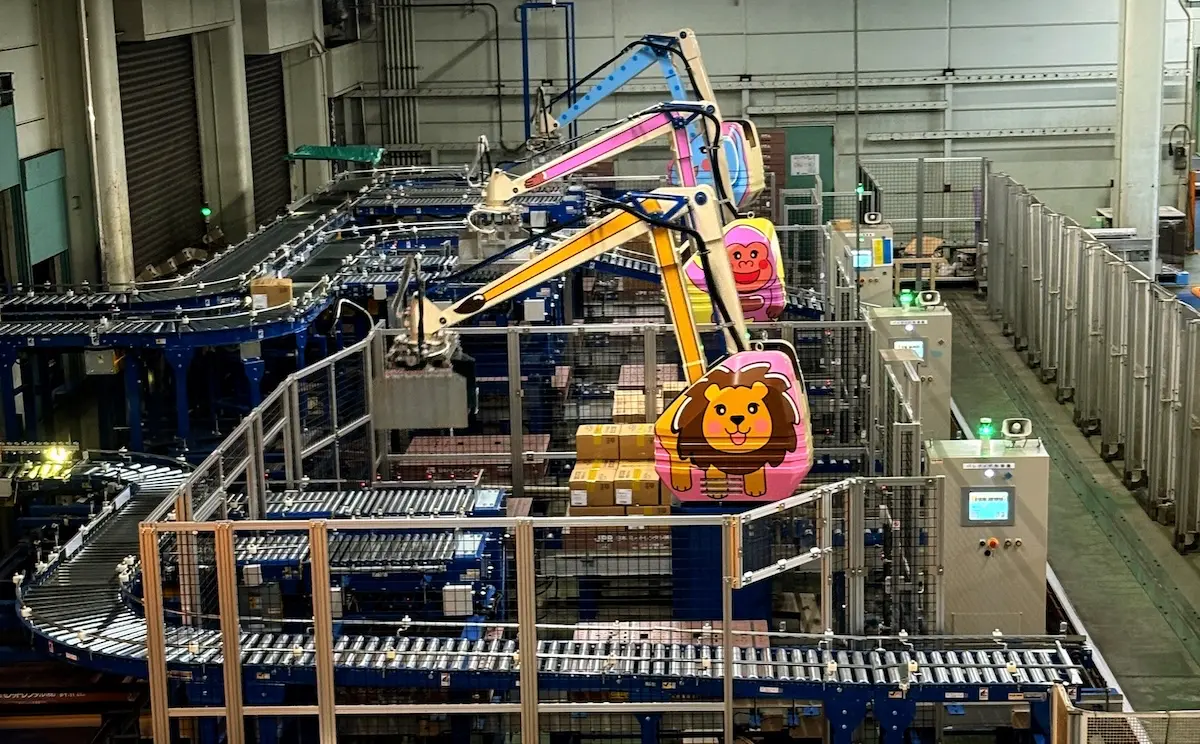
One reason to join the organized tour is that it can be combined with a behind-the-scenes visit to the neighboring factory, which produces about 170,000 liters of various sauces and other condiments.
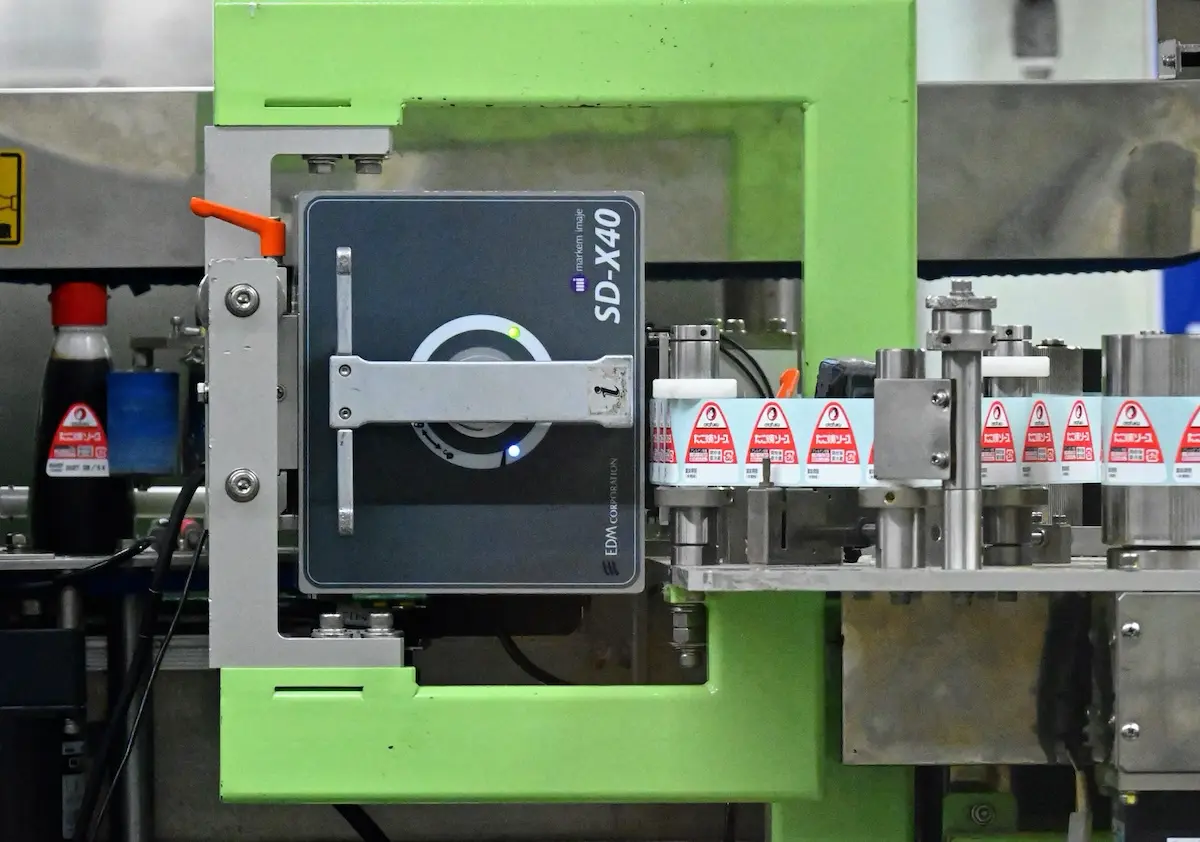
It’s always fun to see where familiar household items are made, and it was mesmerizing to see bottle after bottle being filled with thick brown sauce before being sent along the conveyor to the labelled and packaged. Because I visited when they were bottling and packing sauce, I was lucky to receive a bottle of freshly made sauce, which was surprisingly hot to the touch.
Okonomiyaki School
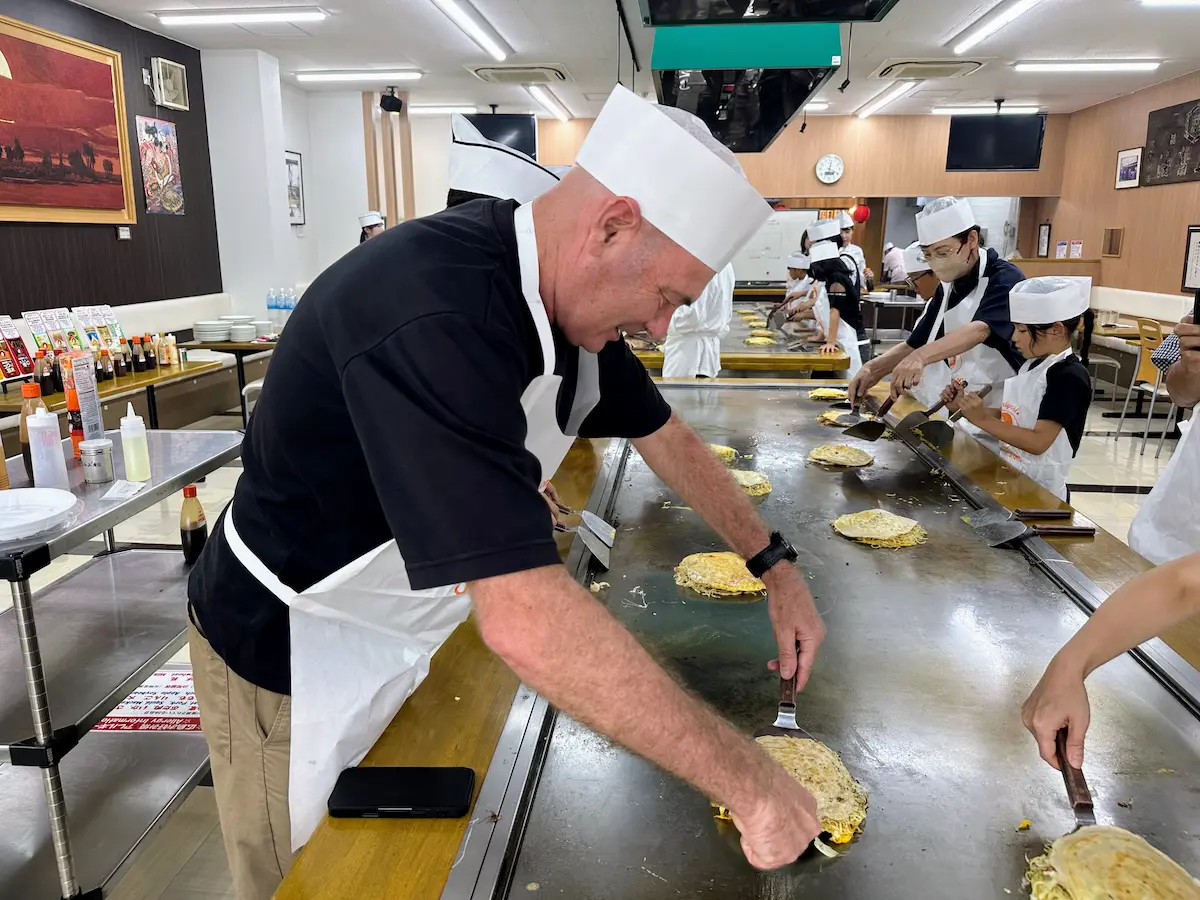
Wood Egg operates a training center on its upper floors where aspiring chefs can refine their skills in Hiroshima’s culinary tradition. You don’t need to be a professional to try your hand at making okonomiyaki. Their okonomiyaki cooking workshop is a popular, very reasonably priced activity enjoyed by local families and visitors from other parts of Japan.
I joined a group of 26 people of all ages, split across four large teppan grills, and was lucky to be put next to the friendly instructor who patiently guided us through the multi-stage process of creating Hiroshima’s most famous dish. It was interesting to learn how to skillfully use okonomiyaki’s trademark hera (spatulas) and take advantage of the varying temperatures of different parts of the grill. I was quite nervous about performing the all-important flips, and, although I don’t think I will ever be a pro, I avoided praying my okonomiyaki ingredients with everyone else at our grill!
The instructors are great teachers. Some of the instructors speak English, but even if your instructor doesn’t, and you are not great at Japanese, you can still enjoy the activity by just following their lead. They also did a great job of accommodating me as a vegetarian.
Vegetarian friendly
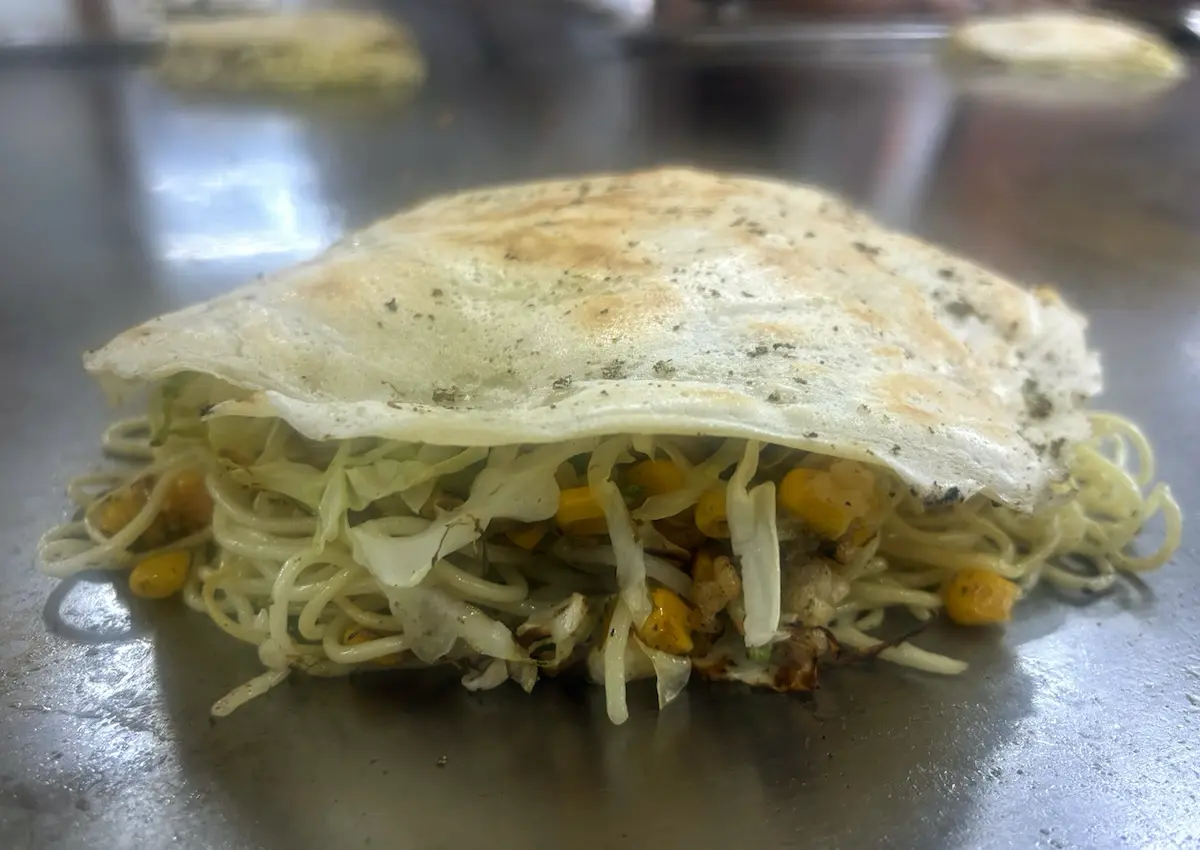
Rather than soy meat, a common replacement for standard bacon strips, they added sweetcorn to my ingredients. I am not a huge fan of the widespread use of sweetcorn in Japan, but I was pleasantly surprised at how well it worked. They also have a certified vegan version of their famous okonomiyaki sauce, and their spicy hot sauce is also animal-free.
If you are a vegetarian or have other dietary restrictions they should know about, please let them know in advance.
Itadakimasu!
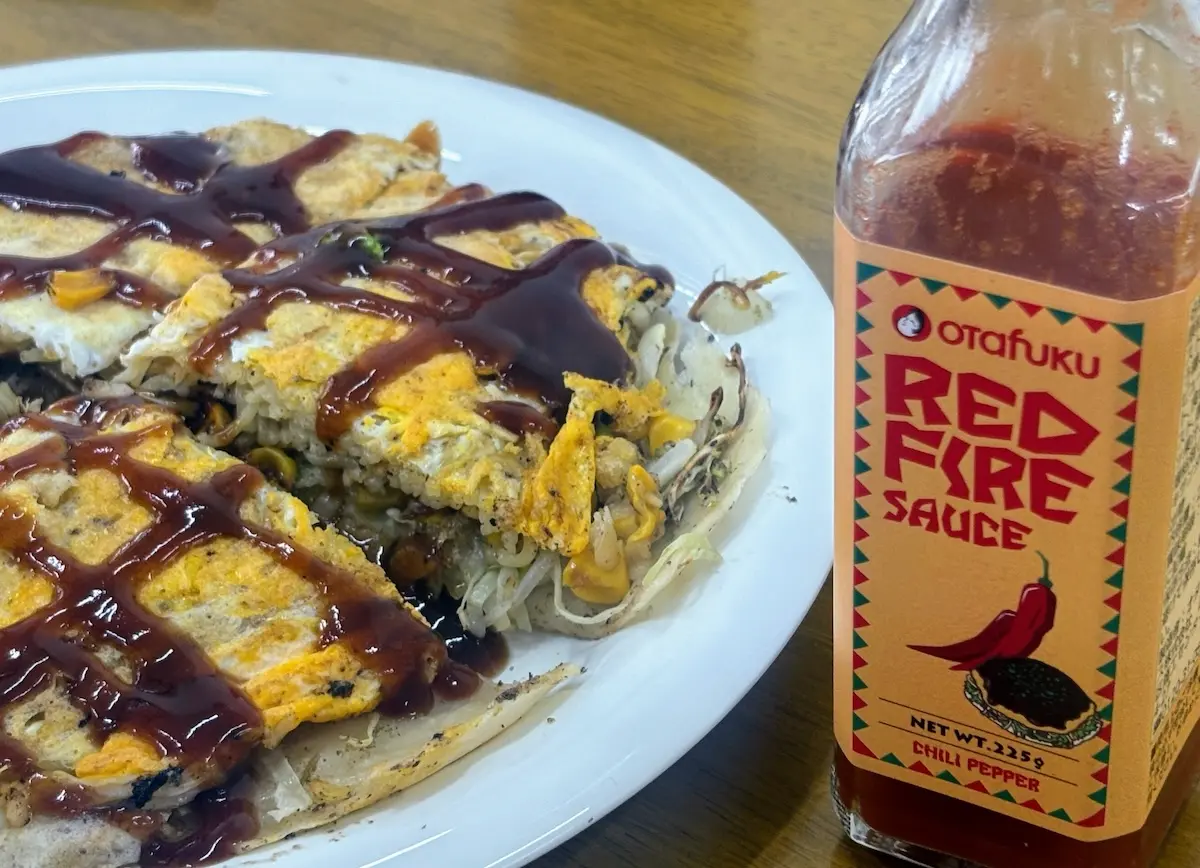
A great incentive to try your best at the grill is that everyone eats their own creation. This is an excellent opportunity to sample the complete lineup of Otafuku’s different okonomiyaki sauces, which, of course, will all be available for sale in the gift store on your way out 🙂
Otafuku offers similar Okonomiyaki cooking workshops, OKOSTA, conveniently located in Hiroshima Station, but I found Wood Egg to have a more local vibe. It was really fun to cook in a big group of mostly Japanese visitors – encouraging each other as we went along with oohs, aahs, and sugois!
Once we had finished our okonomiyaki, it was time to clean the grill. This was a real eye-opener and made me respect okonomiyaki chefs even more, not just for the cooking skills, but the strength and stamina they must need to clean up after every serving!
Swing by Wood Egg on your next visit to Hiroshima
A visit to Wood Egg doesn’t immediately spring to mind as a place to add to your Hiroshima itinerary. Still, it is a fun and somewhat unique experience that I think families will particularly enjoy. It is possible to include a visit on the way to or from Miyajima, and it is also a great indoor option for those looking to shelter from the rain, escape the summer heat, or warm up during winter.
One thing that is for sure, after a visit to Wood Egg, you will have a greater appreciation for Hiroshima’s signature dish, and the “taste of peace” that has fueled the city to, at one time, unimaginable heights.
Wood Egg Okonomiyaki Hall
Wood Egg is a short taxi ride from Inokuchi Hiroden streetcar station or Shin-Inokuchi JR Station by taxi.
Open: 09:00-17:00 Monday – Friday
Closed: Weekend and National Holidays, New Year holiday, Obon holiday, October 1
Museum & Factory Tour
・90 minutes
・ 10:00-11:30
・ 13:15-14:45
・ Free of charge
・ Reservations necessary
Hiroshima Okonomiyaki Cooking Workshop (individual hot plate) (90 minutes)
Available to groups of 2-10 people
・90 minutes
・ 11:30-13:00
・ 1100 yen per person (includes cooking apron, hat, and you can eat your own okonomiyaki)
・ Reservations necessary
Museum & Factory Tour + Hiroshima Okonomiyaki Cooking Workshop (professional teppan grill)
Available to groups of 26-52 people
・ 3 hours
・ 11:00-14:00
・ 1980 yen per person (includes cooking apron, hat, and you can eat your own okonomiyaki)
・ Reservations necessary
More information and reservations here.